Skip to content

Toe Splay: Why Foot Shape Matters More Than You Think

Bag
0

Toe Splay: Why Foot Shape Matters More Than You Think

An evidence-informed look at toe splay, foot adaptation, and why space and context matter more than rules.

The human foot is an intricate structure, with 26 bones and 33 joints that work together to provide balance, propulsion, and feedback from the ground beneath us (Manganaro, Dollinger, & Nezwek, 2023). 

One feature that often goes unnoticed but plays a meaningful role in how the foot functions is toe splay.

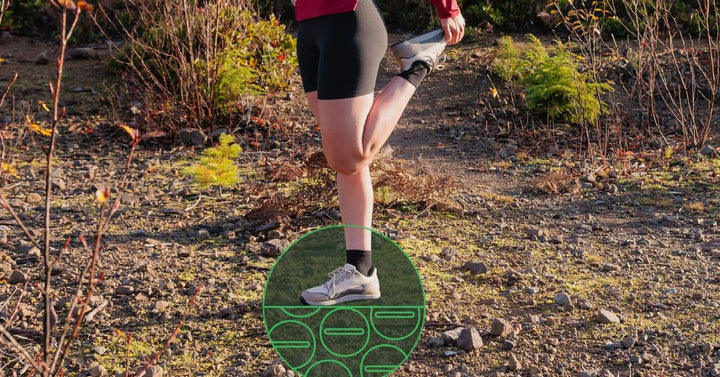
Toe splay is the natural ability of the toes to spread when the foot bears weight, helping support balance, stability, and efficient movement.

At Bahé, we look at foot function as part of a whole-body movement system. Toe splay isn’t about aesthetics or forcing change it’s about allowing the foot to adapt to the ground as it naturally behaves under load.

67659768496512

What is toe splay and why is it important?

Toe splay describes how the toes spread as you stand, walk, or move. This spreading action increases the surface area of the foot, allowing it to adapt to terrain, contribute to balance, and create a more stable base of support (Hollander et al., 2017).

When you stand barefoot and allow your toes to relax, you may notice that they naturally fan out. This isn’t accidental, it reflects a capacity built into healthy foot mechanics.

Research suggests that effective toe splay has been discussed in relation to:

  • Improved balance and postural stability
  • More effective force transfer through the foot during movement
  • Enhanced interaction between the foot and the ground

These outcomes are typically assessed through changes in foot strength, pressure distribution, and movement efficiency Hollander et al., 2017).

In short: toe splay is a factor that helps the foot adapt, stabilise, and transmit force more effectively.

67723131683200

How does toe alignment affect foot function?

The big toe plays a particularly important role in human movement. During walking, running, and jumping, it acts as a lever during push-off, contributing to propulsion and stability. When the big toe is able to engage with the ground, it becomes an active part of the foot’s base of support, helping the foot function as a stable yet adaptable platform.

When functioning well, the foot behaves like a tripod, supported by:

  • the heel
  • the base of the big toe
  • the base of the little toe

This tripod structure contributes to a stable and adaptable foundation for the rest of the body (Hollander et al., 2017). However, this system functions differently depending on space, the toes need room to spread and align naturally.

It’s also worth noting that variation in foot shape is normal. Not everyone will have the same degree of toe splay, and maximal spreading isn’t the goal. What matters is having enough capacity for the foot to function comfortably and efficiently.

67714154037632

Can footwear influence toe splay and foot mechanics?

Many conventional shoes are built with a toe box that narrows toward the front. While this shape may look familiar it doesn’t always match the shape of the foot when you’re standing or moving naturally.

Over time, habitual use of narrow footwear has been associated with differences in toe alignment and forefoot shape when compared with populations who spend more time barefoot, including reduced toe separation and altered toe positioning during stance and movement (D’Août et al., 2009).

These changes usually happen gradually and are influenced by multiple factors, including:

  • activity levels
  • lifestyle
  • training history
  • long-term footwear habits

For some people, altered toe splay may never cause noticeable issues. For others, it can be one contributing factor within a broader picture that includes discomfort, instability, or altered movement patterns (Hollander et al., 2017).

This isn’t about blame or fear,  it’s simply information.

Supporting Natural Foot Mechanics

Footwear choices and simple tools that may help create space for natural toe movement.

67714173305216

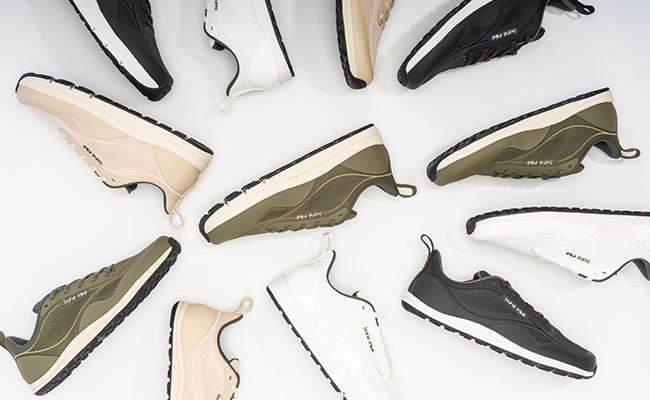
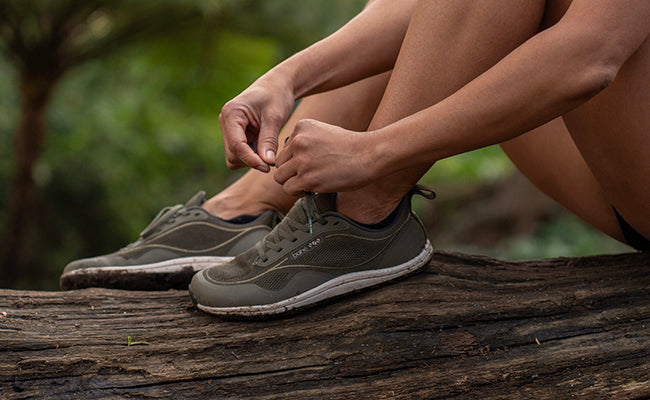
Wide toe box shoes give the toes room to move and interact with the ground. Rather than forcing change, they remove a common constraint and allow toe movement to occur more naturally.

Unlike bigger changes like switching to zero-drop shoes, reducing cushioning, or moving to a much more flexible shoe, choosing a wider toe box often feels simpler for many people and doesn’t usually require a formal “transition.” Some people also find simple, supportive tools helpful along the way.

63201498268032

Toe Spacers

Toe spacers are commonly used to create space between the toes, particularly for feet that have adapted to long-term compression from narrow shoes.

They’re generally used as a supportive aid rather than a fix, with results differing from person to person.

67472298049920

Toe Socks

Toe socks allow each toe to move independently inside the shoe, rather than being held together as a single unit.

For some people, this may make it easier to engage the toes during standing and walking, especially when paired with footwear that already provides sufficient forefoot width.

Footwear is just one part of the picture. Simple, consistent movement practices can also help the feet regain strength, awareness, and coordination.

Exercises such as:

  • Toe crunches
  • Active toe splay
  • “Foot hand” or “foot glove” movements

can help improve toe control and reinforce the connection between the feet and the nervous system. Even a few minutes a day can increase awareness and control when practiced consistently.

Toe Crunches

Active Toe Splay

“Foot Glove” Movements

Understanding the Bigger Picture

At Bahé, our goal isn’t to tell people what they should do. Instead, we aim to provide information, context, and options, so you can make choices that feel right for your body and your lifestyle.

If you’re curious about how your feet function, noticing your toe splay (or lack of it) can be a useful place to start. From there, small, thoughtful changes whether in footwear, movement, or daily habits can help support a strong and adaptable foundation for the rest of your body.

Your feet have carried you this far. With the right environment, they’re capable of supporting you for many years to come.

If you’d like to keep exploring how feet adapt, move, and respond to their environment, you can find more evidence-informed articles in the Bahé Journal.

References

Clinical Biomechanics. (2025). The effects of foot core exercises and minimalist footwear on foot muscle sizes, foot strength, and biomechanics: A systematic review and meta-analysis. Clinical Biomechanics, 122, 106417. Read the Article


Colò, G., Leigheb, M., Surace, M., & Fusini, F. (2024). The efficacy of shoe modification and orthotics in hallux valgus deformity: A comprehensive review of the literature. Musculoskeletal Surgery. Read the Article


Hollander, K., de Villiers, J. E., Sehner, S., Wegscheider, M., Braumann, K. M., & Venter, R. E. (2017). Growing-up (habitually) barefoot influences the development of foot and arch morphology in children and adolescents. Scientific Reports, 7, 8079. Read the Article


Manganaro, D. M., Dollinger, B., & Nezwek, T. M. (2023). Anatomy, bony pelvis and lower limb, foot joints. StatPearls. StatPearls Publishing. Read the Article


D’Août, K., Pataky, T. C., De Clercq, D., & Aerts, P. (2009). The effects of habitual footwear use: foot shape and function in native barefoot walkers. Footwear Science, 1(2), 81–94. Read the article


Rodríguez‑Longobardo, C., Gómez‑Ruano, M. A., & Canosa‑Carro, L. (2025).
Effects of barefoot and minimalist footwear strength-oriented training on foot structure and function in athletic populations: A systematic review. Journal of Clinical Medicine, 14(21), 7629. Read the Article

Leave a comment

Please note, comments need to be approved before they are published.

Alert me via email when this size/colour becomes available