UK Based: Duty-free Delivery


What Are Barefoot Shoes
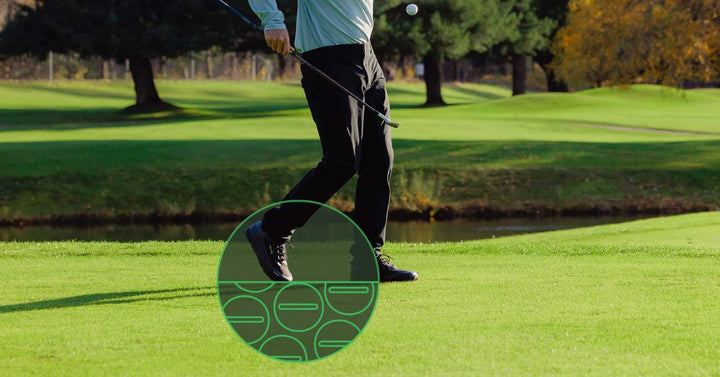
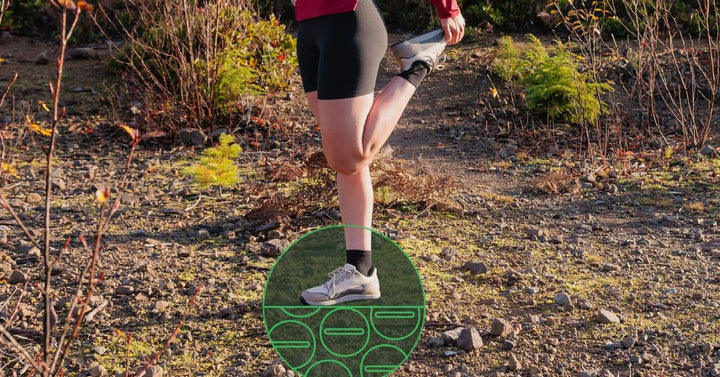
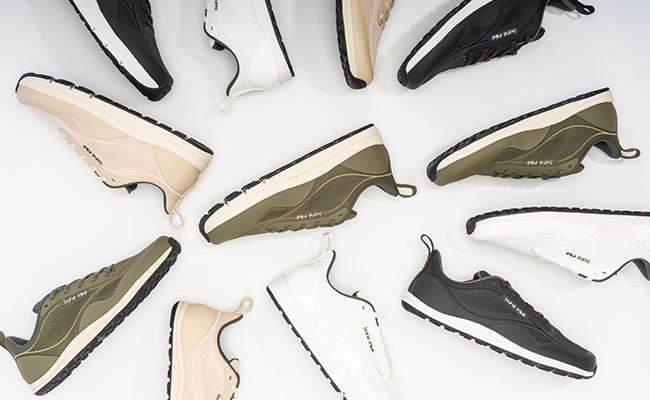
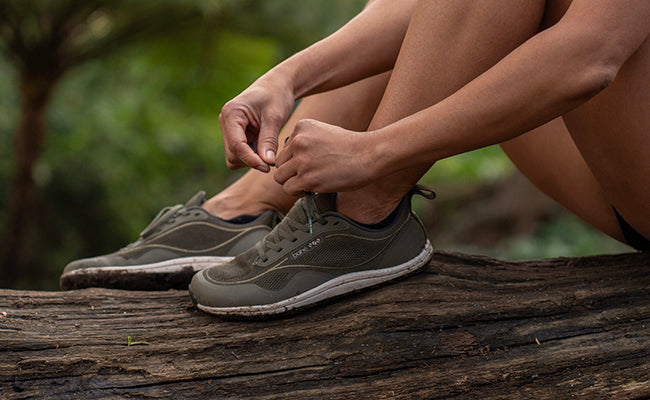
Barefoot shoes are built around real feet: a foot-shaped fit for toe room, a level zero-drop sole, and a flexible feel. This means better signals, better movement. With less interference between you and the ground, your feet can function more naturally. This page gives you the clarity to understand what barefoot shoes are, why the key features matter, and how to choose your starting point with confidence.

Key Features Of Barefoot Shoes

Foot-shaped
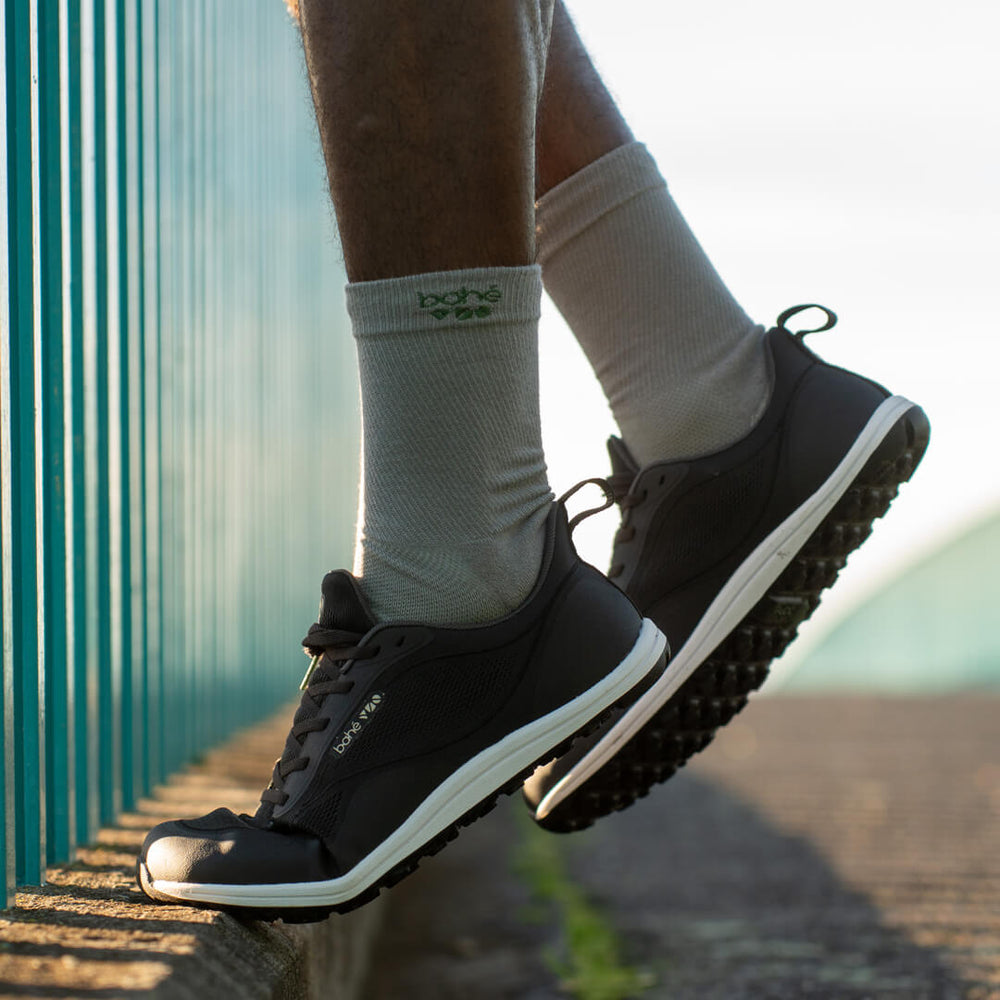
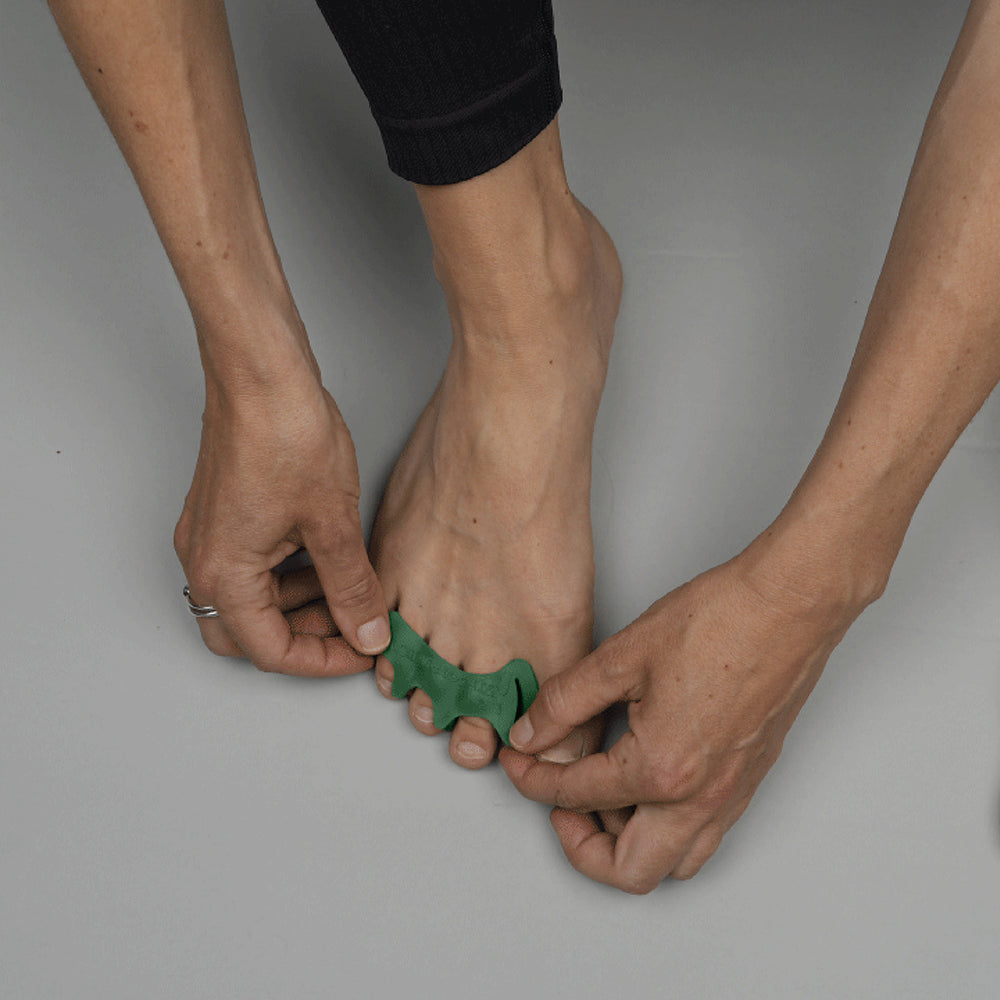
Most shoes taper towards the front, where your foot should be widest. A foot-shaped toe box gives your toes the space to settle, splay, and move more naturally.

Flexible
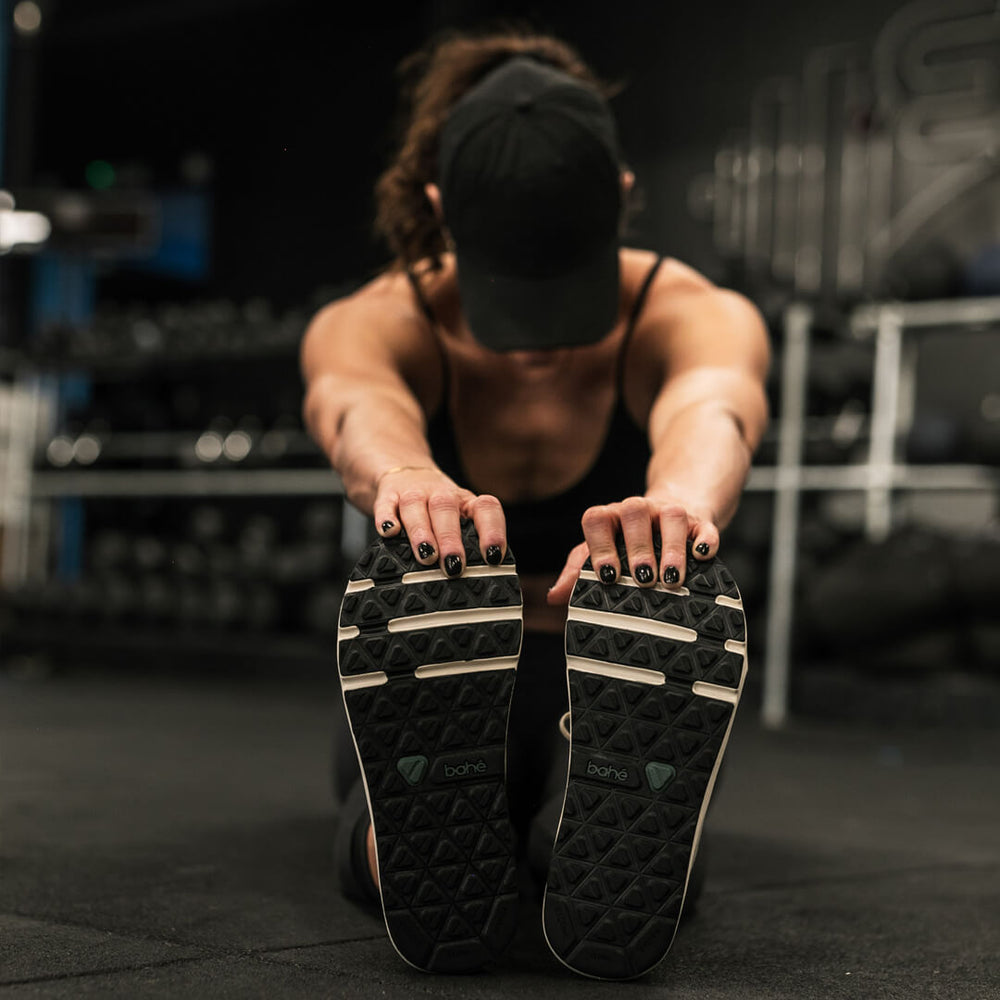
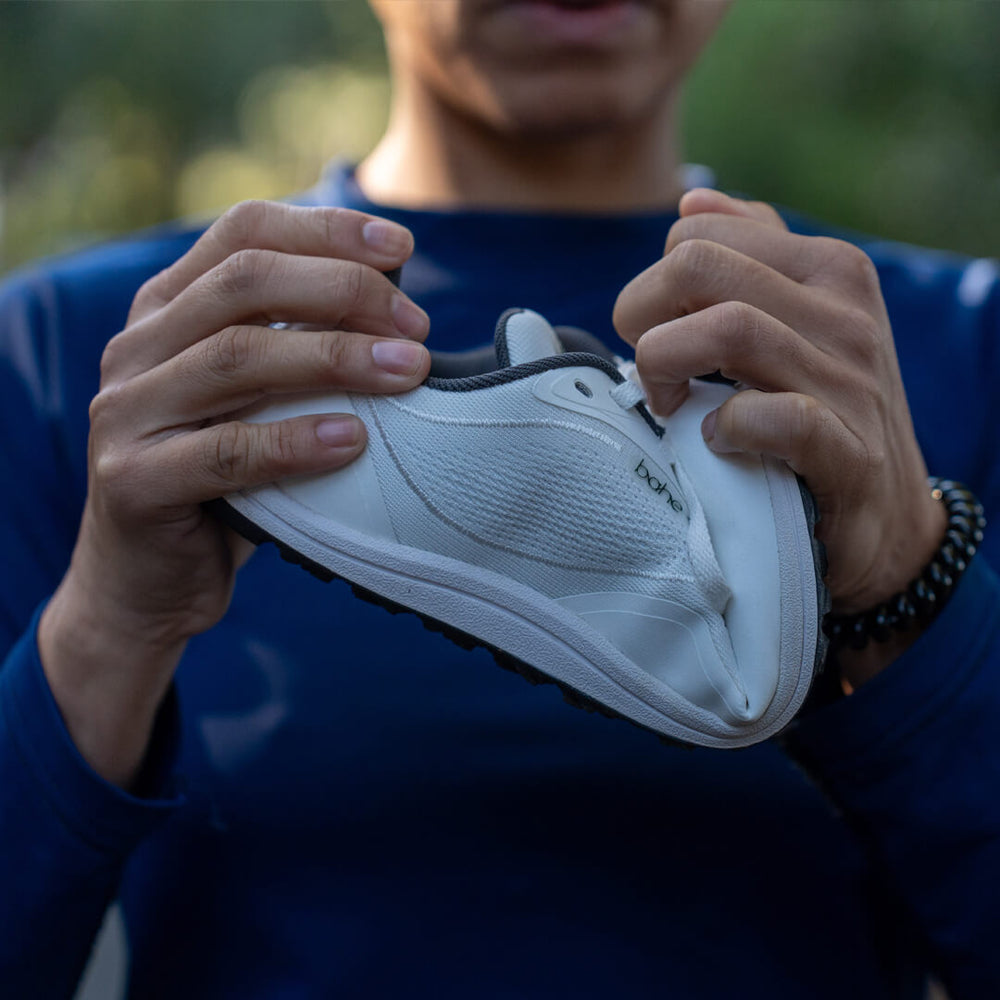
Your feet are built to bend, twist, and adapt. A flexible sole supports natural foot function through the gait cycle, letting your foot move the way it’s meant to.

Zero-drop
Zero-drop means heel and toe sit level, creating a flatter platform underfoot and allowing for a more natural posture above it.
Barefoot vs Minimalist vs Zero-drop
| Term | What It Means | Common Misconceptions | Who It's For (Beginner-safe) |
|---|---|---|---|
| Barefoot-style | Foot-shaped, zero-drop, often more flexible | “It always means no cushioning” | Beginners to experienced - if you transition gradually. |
|
Barefoot-style What It Means Foot-shaped, zero-drop, often more flexible Common Misconceptions “It always means no cushioning” Who It's For (Beginner-safe) Beginners to experienced - if you transition gradually. |
|||
| Minimalist | Less structure than typical shoes | “Minimalist always = foot-shaped” | People who want less ‘shoe’ but not necessarily zero-drop. |
|
Minimalist What It Means Less structure than typical shoes Common Misconceptions “Minimalist always = foot-shaped” Who It's For (Beginner-safe) People who want less ‘shoe’ but not necessarily zero-drop. |
|||
| Zero-drop | No heel-to-toe drop | “Zero-drop always = barefoot-style” | People looking for a flatter platform - pacing still matters. |
|
Zero-drop What It Means No heel-to-toe drop Common Misconceptions “Zero-drop always = barefoot-style” Who It's For (Beginner-safe) People looking for a flatter platform - pacing still matters. |
|||
benefits of barefoot shoes
Barefoot-style shoes, combined with restorative exercises, can help you reclaim your natural performance and move with more strength, freedom, and control.

Restored Posture
By having a flat sole our joints can return to natural alignment during rest and movement

Enhanced Flexibility
With flexible soles, our toes, ankles and hips can move through a greater range of motion

Improved Balance
By restoring the strength in the arches of our feet and body generally our balance is enhanced
The Problem With 'Normal' Shoes
A lot of modern footwear is built to guide and shape your foot. That can feel supportive - but it also changes how your foot moves and feels.

Raised Heels
Shorten your Achilles tendon and calf muscles, affecting posture and tilting the body forwards leading to further misalignment

Narrow Toe-boxes
Severely inhibits natural foot function by preventing toes from articulating and being able to absorb load and generate force

Stiff Soles
Prevents the foot from moving naturally leading to reduced foot strength and increased foot stiffness

Toe Spring
Raised toes do not articulate correctly during the gait cycle and prevents them being able to engage with the ground during activity

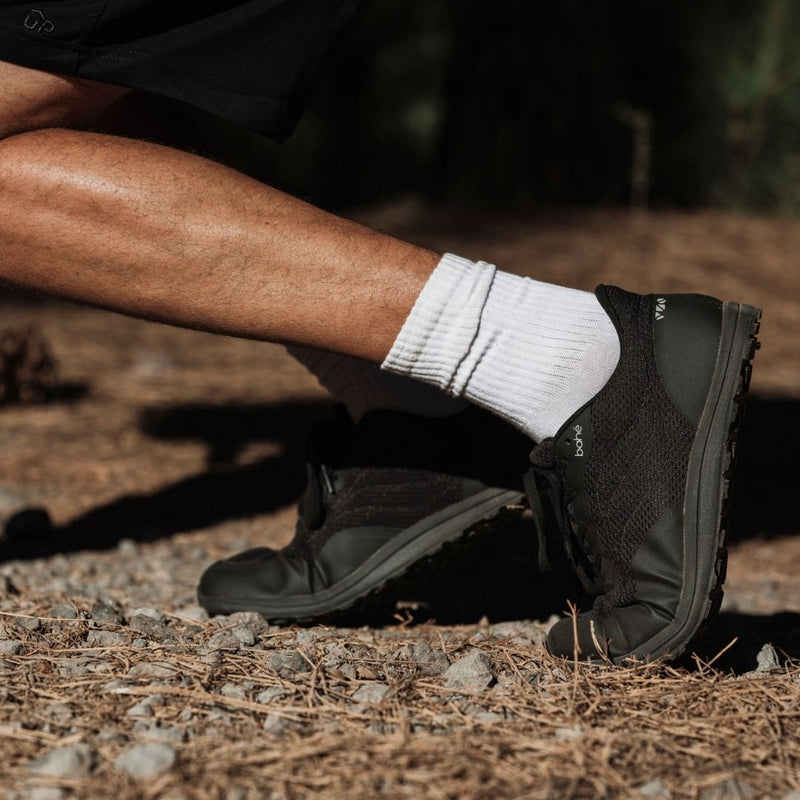
Bahé shoes allow your feet to move, spread and flex; natural movement, unlocked !
What To Expect At First
Barefoot-style shoes can feel different at first because they give you more ground feel and reawaken underused muscles and tissues in your feet and lower legs. They allow your feet to do more of the work again, so for most people the switch feels best when it is gradual.
- It is normal to feel your feet and calves working more at first.
- Short, simple sessions are often the easiest place to begin.
- A steady build-up usually feels better than doing too much too soon.
- The right cushioning level can help make the transition feel smoother.
Is Barefoot-style For You?
They're a good fit if…
- You want more toe room and a flatter feel underfoot
- You’re up for easing in over a few weeks
- You like the idea of building comfort and capability over time
It might not be your best next move if…
- You want instant all-day comfort on day one
- You don’t want to change anything about your routine at first
- You’re hoping shoes will fix a specific pain quickly
How Barefoot Shoes Should Fit?
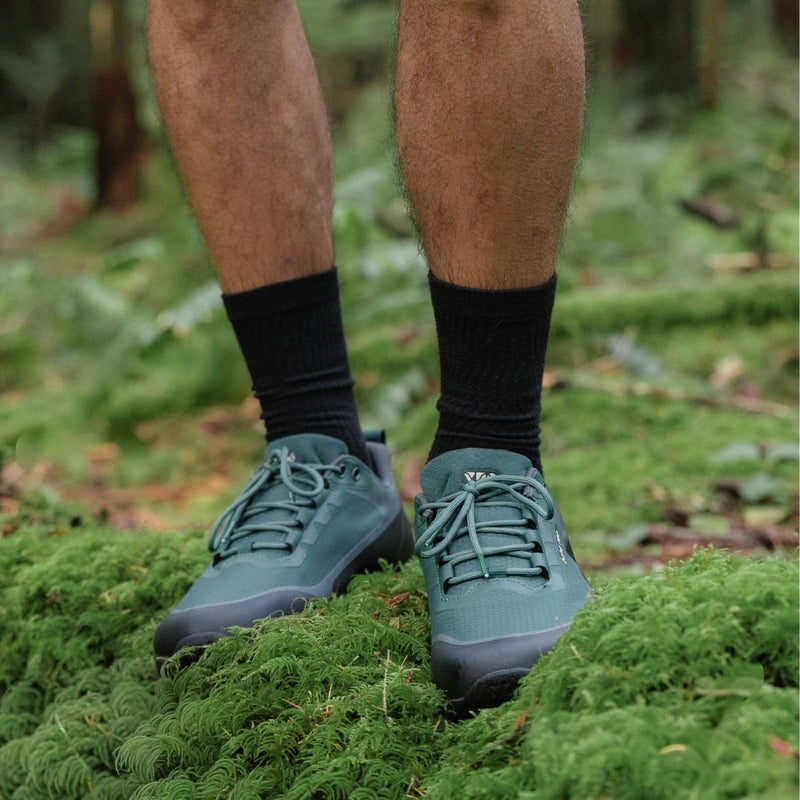
Barefoot-style shoes should fit differently - that is the point. The goal is space for natural movement, with a secure fit through the midfoot and heel.
- Toes: room to spread naturally, without touching the front or feeling pinched
- Midfoot: secure, but not tight or crushing
- Heel: locked-in and stable, without excessive slipping
Transitioning Isn't A Race
Bahé Modes gives you three cushioning levels built on the same foot-shaped, zero-drop foundation. The idea is simple: choose the level that best matches your current experience, your activity, and how much ground feel you want underfoot.

Most Cushioned
Endurance Mode

Balanced
Adapt Mode

Most Flexible
Flex Mode
New To Natural Footwear?
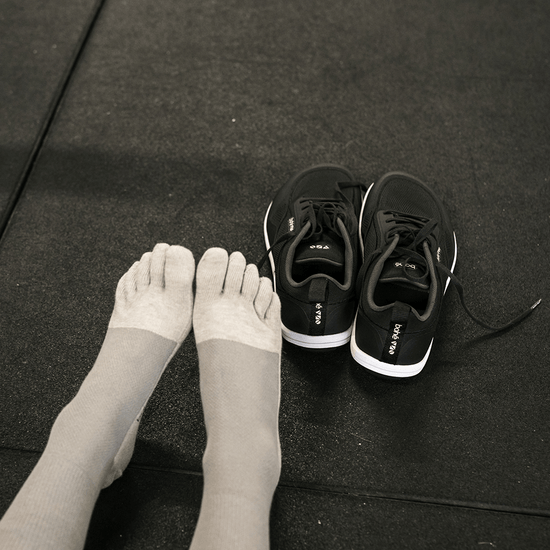
If you’re new to barefoot-style footwear then you’re about to start a journey to return your body to a more natural style of movement.
The goal is not less shoe - it is more capable feet. The pair you will benefit from most is usually the one you will wear more often. Take the quiz to find the best Mode for you.
FAQs
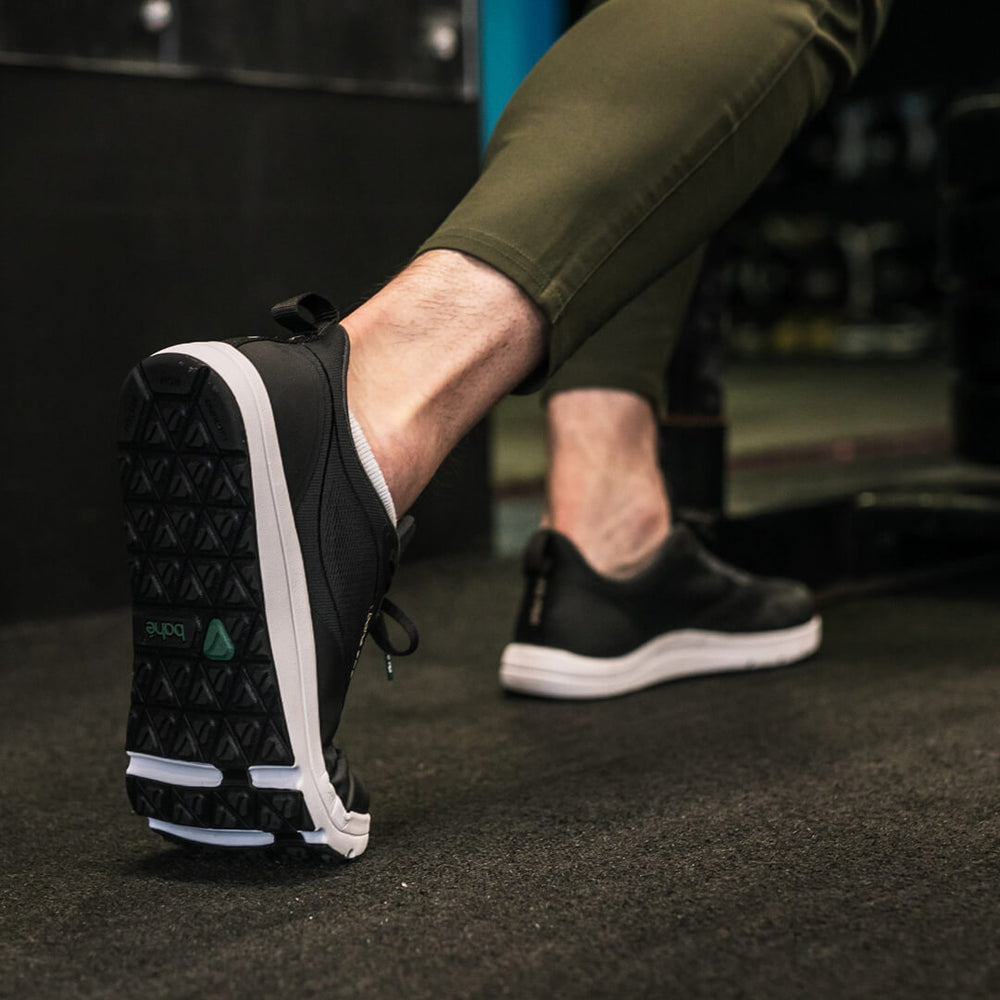
Barefoot-style shoes are usually foot-shaped, zero-drop shoes with a flexible sole and a wider toe box than traditional trainers. They are designed to support more natural movement and ground feel underfoot.
Yes - some barefoot-style shoes have cushioning. What makes a shoe barefoot-style is usually the core foundation: a foot-shaped fit, zero-drop platform, and a sole that allows more natural movement. Cushioning is better thought of as a dial, not a rule - some shoes give you more ground feel, while others add more underfoot comfort to make longer days, higher-impact activity, or the transition into barefoot-style footwear feel more manageable. That is the idea behind Bahé Modes: three cushioning levels built on the same foot-shaped, zero-drop base.
Yes - barefoot-style shoes can be a good option for beginners, especially when you build up gradually. Starting with the right level of cushioning, following a simple transition plan, and adding a few supportive exercises can make the switch feel steadier and more manageable.
Not necessarily - but they can feel different at first. Barefoot-style shoes often reawaken underused muscles and tissues in the feet and lower legs, so it is common to notice your feet and calves working more early on. That is usually a sign of new input rather than a problem in itself. For most people, the key is to start gradually, choose the right cushioning level, and give the body time to adapt.
Yes - but how soon depends on your experience, your current footwear, and the activity you are doing. If you are new to barefoot-style shoes or coming from more cushioned, higher-drop running shoes, it usually helps to build up gradually first. Walking is often the easiest place to start, and a more cushioned shoe can make the switch feel smoother while your feet and calves adapt. Running can then be added in gradually once you have built more tolerance.