
Does Rest Help Plantar Fasciitis? A Load-Management Approach

Lauren Jackson
Head Physiotherapist at Bahé

Plantar fasciitis usually shows up as pain around the heel or underside of the foot, often worse with the first steps in the morning or after long periods on your feet. It can happen when the load going through the foot is more than the tissues are currently ready to tolerate.
Rest can help plantar fascia symptoms settle in the short term. But for many people, rest alone does not solve the full problem. The more useful approach is to reduce the irritating load, keep the foot moving where possible, then gradually rebuild what it can handle (Koc et al., 2023; Morrissey et al., 2021).
This is general education, not a diagnosis or personalised medical advice - but it should help you think more clearly about rest, load and when to get support.
When the plantar fascia is irritated, reducing the activities that aggravate it can be a sensible first step. Less walking, less running, fewer hills, or more recovery after exercise can reduce the load on the tissue and give symptoms a chance to settle.
The challenge is what happens next.
A common cycle is: symptoms flare, you rest, things feel better, then you return to the same walking, running or standing load and symptoms come back.
That does not mean rest was pointless. It means rest reduced the demand enough for symptoms to calm down, but your foot may not yet have rebuilt the strength, tolerance and confidence to handle the same level of activity again.
For a more sustainable recovery, the goal is to find the amount of movement your foot can manage comfortably, then build from there.
Load is the total physical demand your foot has to deal with across the day - not just the obvious “exercise” part.
It includes how long you stand, how far you walk, how quickly you move, the surfaces you use, the shoes you wear, your training volume, and how much recovery you get between higher-demand days. Sleep, stress and general recovery can also affect how much your body can tolerate (Koc et al., 2023; NICE, 2025).
This is why symptoms can appear after something that seemed harmless. A long beach walk can be much harder than a pavement walk because sand makes the foot and calf work more with every step. A weekend away can mean more standing than usual. A new job might mean hours more time on your feet. A change in trainers can shift how load moves through the foot.
None of these things are “bad” on their own. They just need to match what your foot can currently tolerate.
Once we know that rest alone is not usually the long-term answer, the next step is to work out which loads are irritating your foot, reduce them enough for symptoms to settle, then reintroduce them gradually.
Load management is not one-size-fits-all. Someone with mild morning discomfort may need a different approach from someone who is limping by the end of the day. The useful question is: what can your foot currently do without symptoms building across the day or into the next morning?
You might take a shorter walk instead of a long one. You might choose flatter routes for a while because hills usually ask more from the calf and foot. If you are still able to run, you might reduce hills, speed work or hard surfaces before reducing everything. You might use a little more cushioning on longer days, then build back towards less support as symptoms settle.
A good sign is that symptoms feel stable or easier across days. If pain is worse later that day, worse the next morning, or you notice yourself limping or changing how you walk, the current load may still be too high.
Capacity is your foot and lower leg’s ability to handle load.
For plantar fascia symptoms, this is not only about the plantar fascia. The calf, Achilles, big toe, arch, smaller foot muscles and overall walking or running tolerance all play a role (Koc et al., 2023; Kamonseki et al., 2016).
Your body adapts to the demands it is given. Too much load too soon can irritate symptoms, but too little load for too long does not give the foot much reason to get stronger. That is why the sweet spot is usually a manageable amount of activity, repeated consistently.
In some cases, more rest is needed for a period. But where possible, reducing the irritating load while staying gently active is usually more helpful than stopping everything.
Gradual activity, alongside exercises for foot and calf function where appropriate, gives the body a reason to adapt.(Koc et al., 2023; Kamonseki et al., 2016; Morrissey et al., 2021).
We cover strengthening exercises for plantar fascia symptoms in more detail in our blog Foot Strengthening and Mobility for Plantar Fascia Symptoms: 3 Simple Steps.
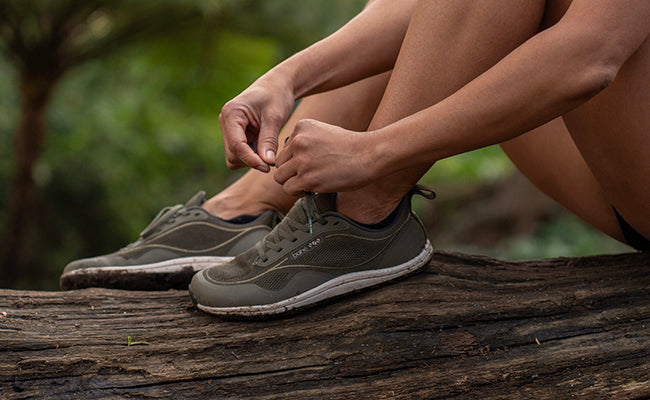
Footwear matters because it changes how load is shared through the foot. It can reduce demand, increase demand, or shift where that demand is felt (Koc et al., 2023).
If symptoms are irritated, a more cushioned setup may help on longer days or harder surfaces because it can reduce some of the impact and ground feel your foot has to manage while symptoms settle.
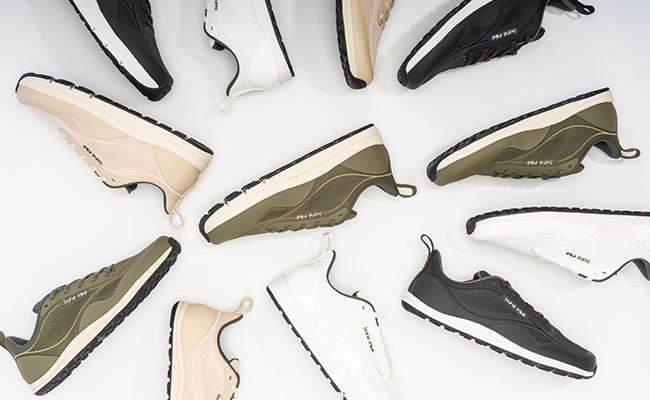
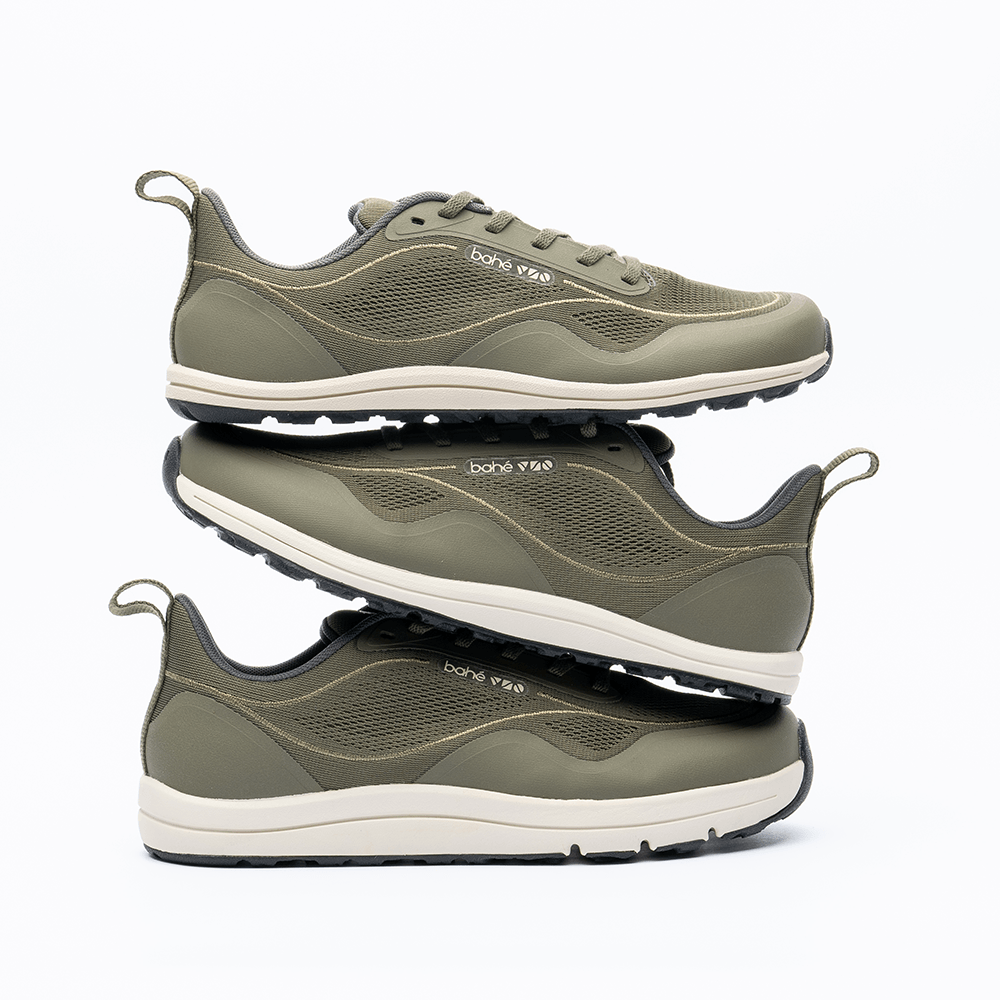
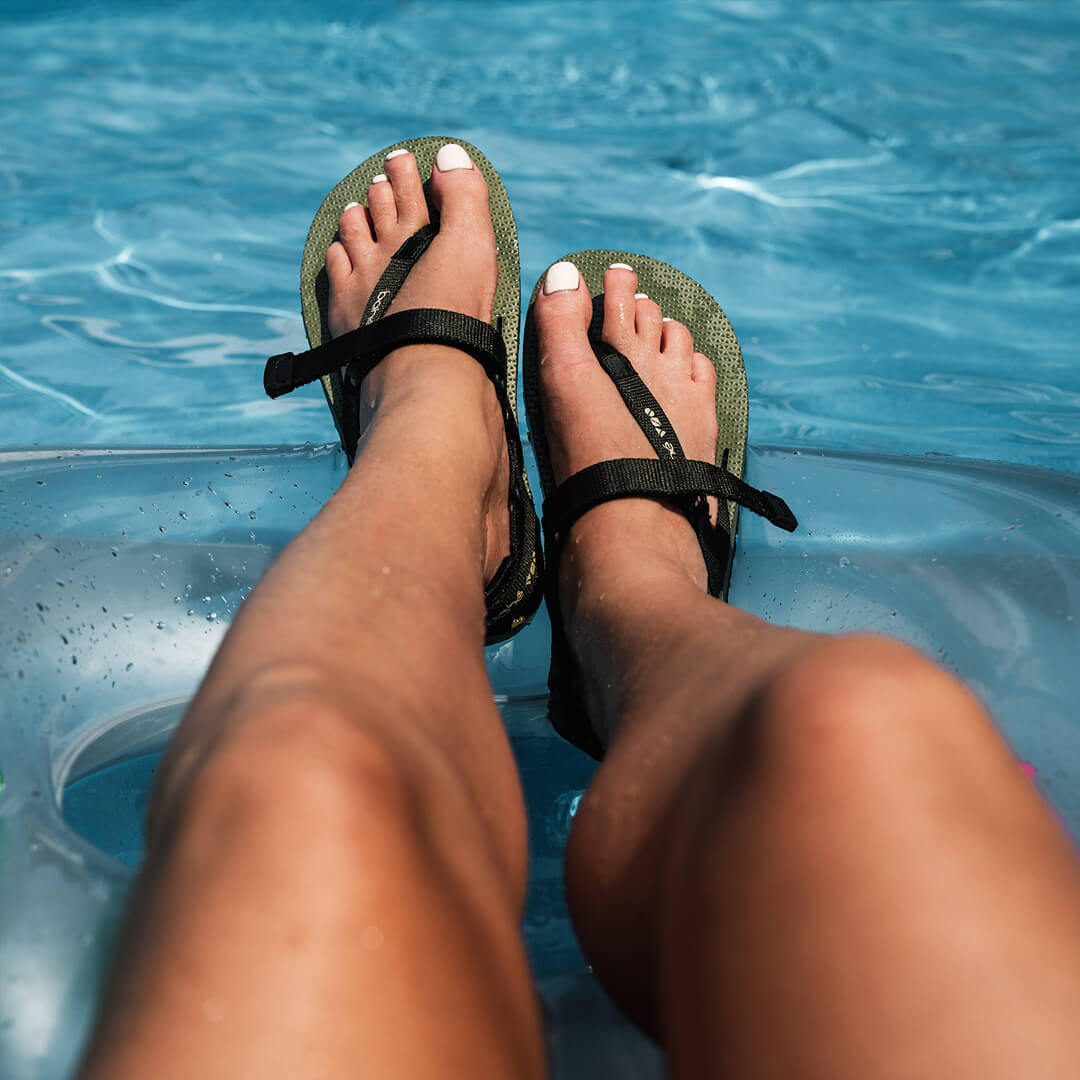
This is where Bahé Modes can be useful. More cushioning does not have to mean giving up barefoot principles. A shoe can still be foot-shaped, zero-drop and designed to let the foot work, while offering more underfoot comfort when you need it.
If you felt plantar fascia symptoms after switching into very minimal barefoot shoes, a more cushioned barefoot-style option may help reduce the size of the jump. If you are considering switching from conventional shoes, starting with more cushioning may also make the transition feel more manageable.
Footwear is only one part of load. Surface, distance, pace, training intensity and recovery all matter too. So if you are dealing with plantar fasciitis symptoms, try not to change everything in the same week. Start with the setup your foot can tolerate now, then build from there.
Can I stay active with plantar fascia symptoms?
Often, yes. Walking and regular movement can still be useful, but the amount may need adjusting. Shorter walks, easier surfaces, slower pace and more recovery can help you keep moving without repeatedly overloading the foot.
How do I know if I am doing too much?
Look at the 24 hours after the activity. If symptoms are worse later that day, worse the next morning, or you start changing how you walk to avoid discomfort, that activity level may be more than your foot is ready for right now.
Should I change shoes while symptoms are irritated?
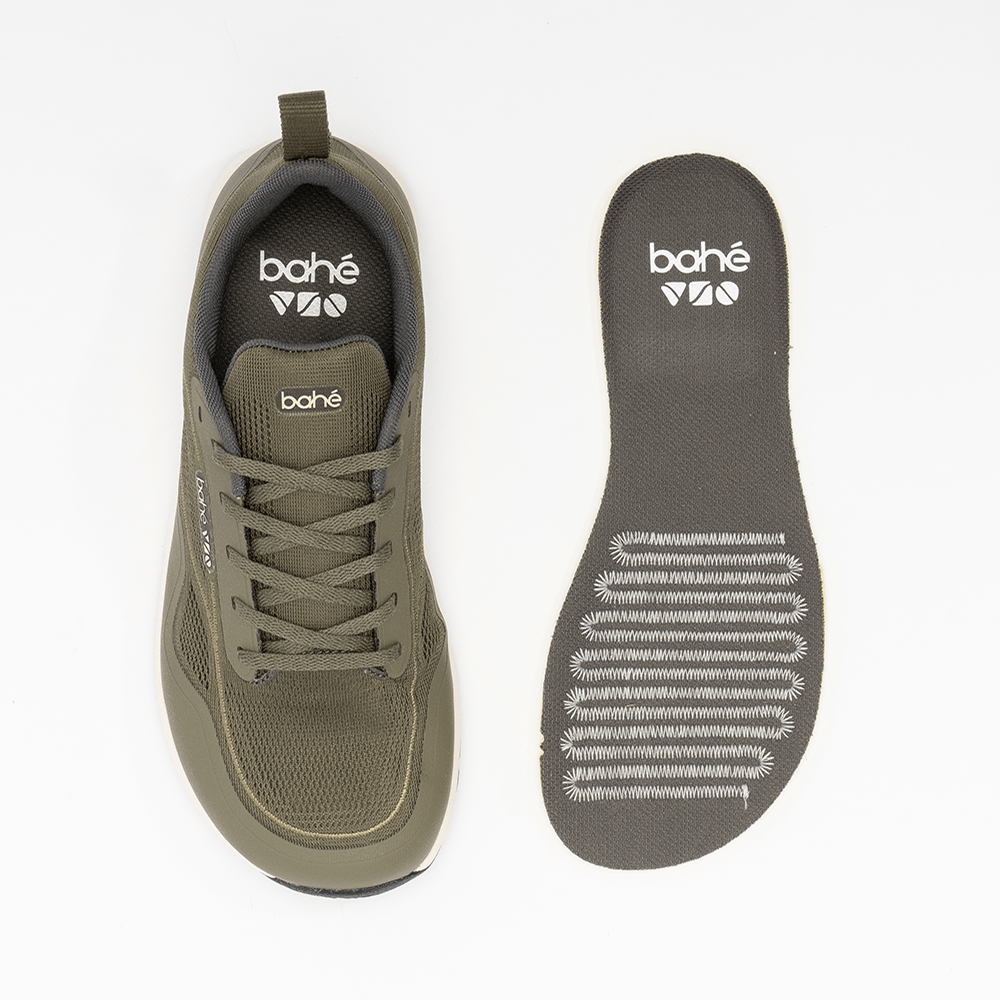
Be cautious with big footwear changes. If you are already in very minimal shoes, a little more cushioning may help reduce demand while you rebuild capacity. Bahé Modes and added insoles can be useful here because they let you keep a foot-shaped fit while adjusting comfort and transition feel.
Rest can calm plantar fascia symptoms, but capacity is built through the right amount of movement, repeated consistently.
Reduce the demands that are currently irritating your foot, but try not to stop moving altogether. Give your foot a level of activity it can manage, then build from there.
If your pain is severe, worsening, affecting how you walk, or not improving with sensible changes, it is worth speaking to a qualified health professional for individual assessment.






Alert me via email when this size/colour becomes available


Leave a comment