
Plantar Fasciitis After Switching to Barefoot Shoes? The Problem Might Be the Jump

Alex Ward
Co-founder and Designer

If plantar fasciitis symptoms showed up after switching to barefoot-style shoes, the most useful explanation is usually not “barefoot shoes caused it” - it is that the jump from conventional footwear asked your feet to do more work than they were ready for.
That is an important distinction. Barefoot-style shoes can be a positive move: more toe room, a flatter platform, more ground feel and the chance for your foot to be allowed to behave more like a foot. For many people, that is exactly the direction they want to move in. (Curtis et al., 2021)
The problem is not the decision to switch to barefoot shoes. It is how quickly the demand changes.
Most conventional running shoes are not just “cushioned”. They usually combine several features: a raised heel, thick foam, toe spring, a narrow or tapered toe box, and structure around the foot.
That design can make running feel easier in the short term. The shoe softens impact, helps roll you forwards and gives external support. But the trade-off is clear: the more the shoe does for you, the less your foot has to do for itself.
A raised heel changes how your calf, Achilles and foot share load. Toe spring reduces how much the toes have to work through push-off. A narrow toe box limits natural toe spread. Heavy structure can reduce the small stabilising work your foot would otherwise do. (Zhu et al., 2024)
Over time, your feet get very good at the job they are repeatedly asked to do. If that job is mostly being supported, guided and cushioned, they may be less prepared when you suddenly ask them to sense, spread, stabilise and load more naturally - which is the goal when switching to barefoot shoes. (McKeon et al., 2015)
That matters for plantar fascia symptoms because the plantar fascia is part of a wider load-sharing system. It works with the arch, toes, calf and intrinsic foot muscles. If the system is underprepared and the demand rises quickly, irritation can follow. (Rathleff et al., 2015)
Barefoot-style shoes change the amount of work your foot has to do.
You usually get less heel lift, more flexibility, more toe movement and more ground feedback. That is a good thing when your body is ready for it. It gives the foot more chance to move, sense and contribute.
But it also changes load.
If you move from conventional running shoes into barefoot-style shoes and keep everything else the same - the same mileage, pace, terrain and frequency - your feet may suddenly be doing more work without enough time to adapt. (Warne and Gruber, 2017)
That is where some people get caught out. The shoe has changed, but the training plan has not.
A more sustainable switch treats footwear as part of training. You are not just buying a different shoe; you are changing the input your foot, calf, arch and plantar fascia need to handle.
That does not mean everyone will struggle. Many people transition comfortably. But the smoother route is usually to change one or two things at a time: reduce the jump, build exposure gradually, and let your feet earn the extra work
Switching to barefoot principles does not mean you have to abandon cushioning overnight.
Cushioning can have a place, especially when you are coming from conventional running shoes, running longer distances, training on harder surfaces, or trying to calm things down while you build capacity.
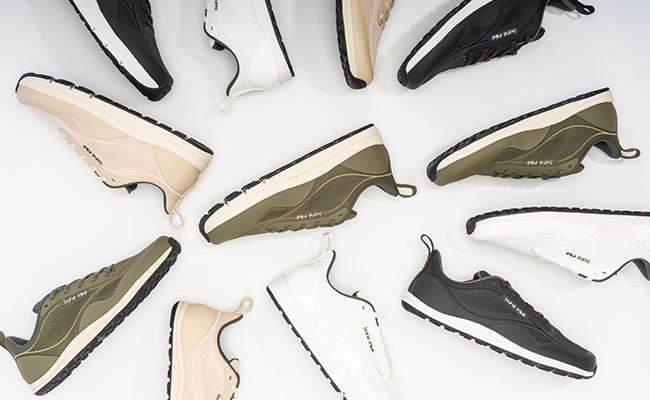
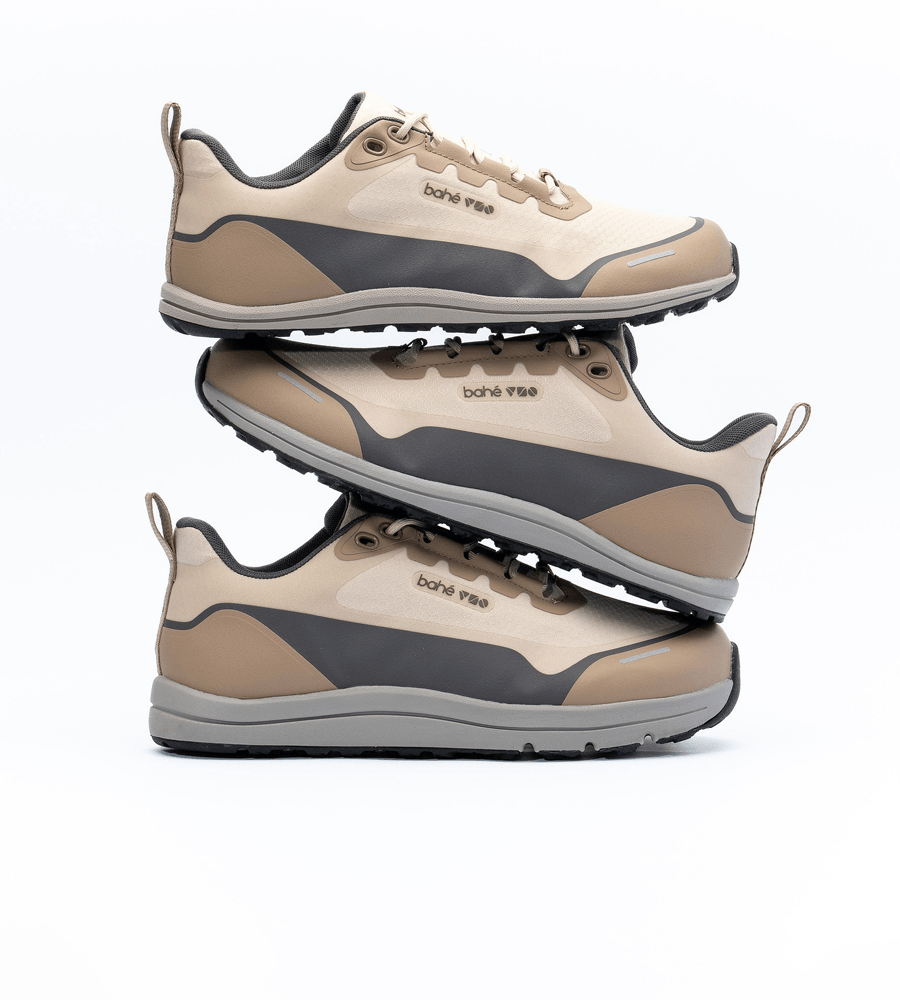
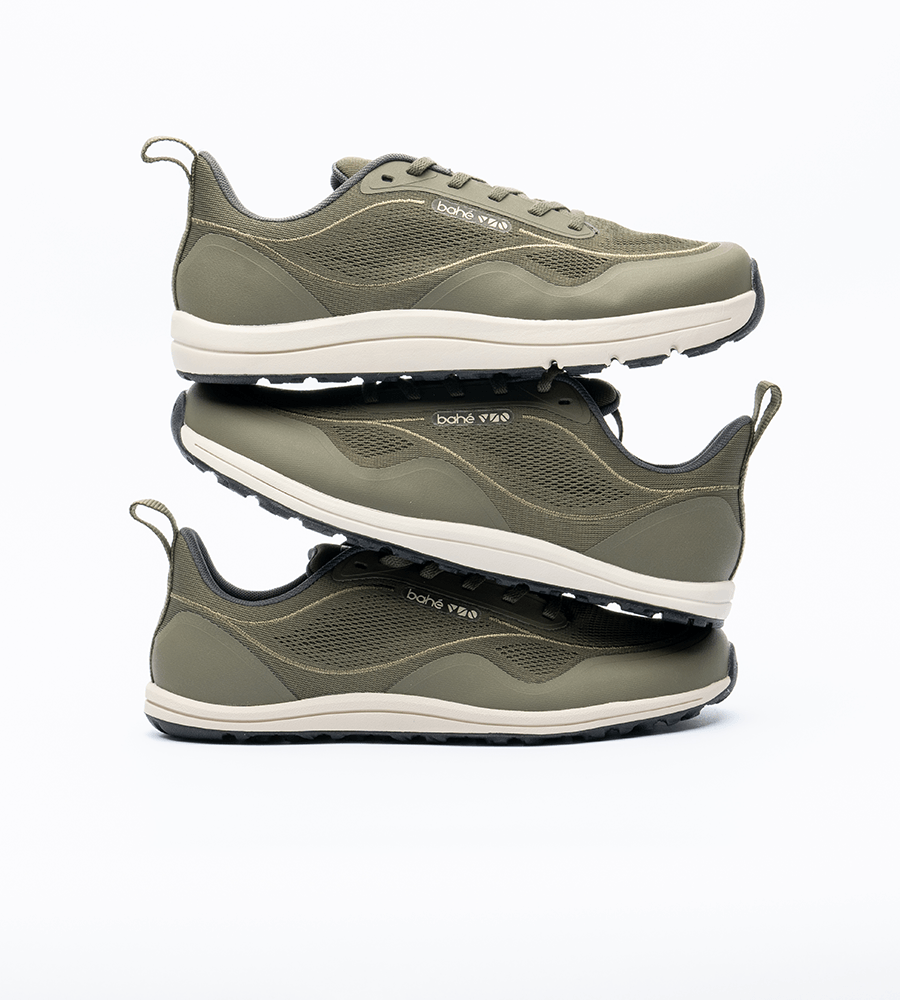
This is why we built Bahé Modes. The idea is simple: keep the foot-shaped, zero-drop platform, but let cushioning and ground feel become a dial.
For most people coming from conventional cushioned shoes, Endurance - our most cushioned option - is the sensible starting point. It gives your toes room and keeps the platform flat, while reducing the size of the jump.
Adapt sits in the middle. Flex gives the most ground feel and is often better later, or for people who are already adapted.
The usual progression is Endurance -> Adapt -> Flex. Not because everyone needs a rigid pathway, but because changing less at once usually makes the transition more sustainable. (Warne and Gruber, 2017)
We explain more about the concept on our Bahé Modes Explained page.
If plantar fasciitis symptoms appeared after switching to barefoot shoes, do not panic and do not try to prove you can push through.
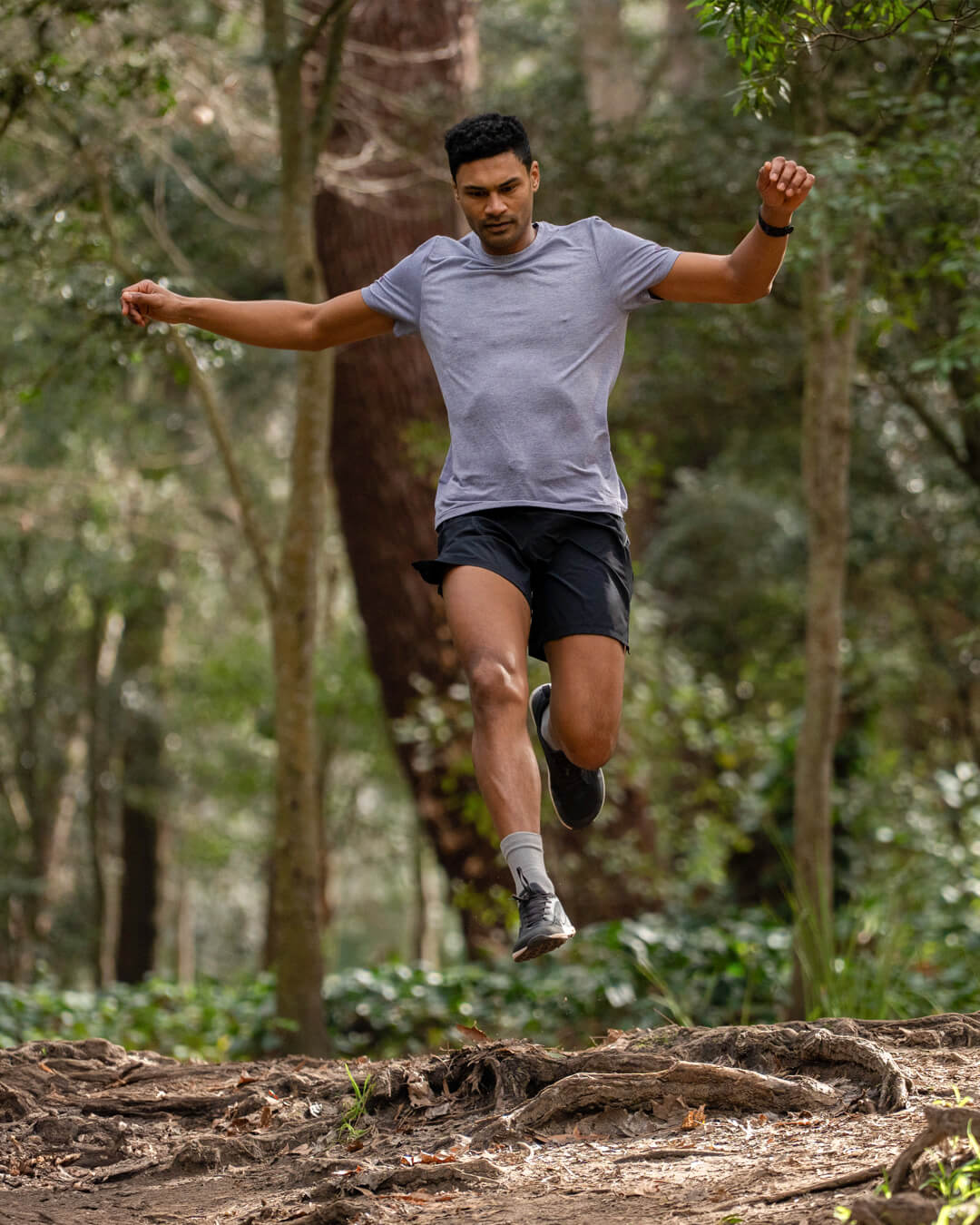
The aim is not to make the switch heroic. It is to make it sustainable. You can be positive about moving into barefoot-style shoes and still be sensible about the change. Keep some familiar footwear in rotation at first, then adjust one variable at a time: distance, pace, surface, frequency or shoe feel. Start with the conditions your feet already handle well, then add more ground feel, harder surfaces or uneven terrain as your tolerance builds.
Fit matters here too. Your toes should have room to spread, but the shoe still needs to hold your foot securely so your toes are not clawing to keep it in place. Use our size guide before choosing your pair, and if you need to fine-tune the feel, our modular insoles and heel lifts can help you adjust space, snugness and transition feel without starting again. (Zhu et al., 2024)
The goal is not to rush towards the thinnest shoe. The goal is to build feet that can handle more work, step by step.
Can barefoot shoes cause plantar fasciitis?
They can increase demand on the foot, especially if the switch is abrupt. That does not mean barefoot shoes are bad - it means the transition needs to match your current capacity (Warne and Gruber, 2017).
Should I stop wearing cushioned shoes?
Not necessarily, this is a complex topic and the right shoe for you can vary depending on your current level of foot strength, any existing injuries and your lifestyle. Cushioning can be useful during a transition to barefoot shoes and for higher impact activities regardless of foot strength. At Bahé we recognise this and offer shoes with different cushioning levels, all respecting the natural shape of the human foot and providing flexibility so you can move more naturally. As your feet strengthen this allows you to reduce the cushioning you have in your shoes.
Which Bahé Mode should I start with?
If you are coming from conventional cushioned shoes, Endurance is usually the best starting point. Progress to Adapt, then Flex, as your tolerance builds. However you may want to stay with less cushioning if you want more ground feel and flexibility. If this is the case, it’s worth building up usage gradually, especially for higher impact activities like running.

Alert me via email when this size/colour becomes available


Leave a comment