UK Based: Duty-free Delivery

Grounding Explained


The Bahé difference
Grounding in footwear is about connection vs insulation.
Bahé Shoes
Our Ground Flow System is a conductive pathway from foot to ground - on grounded surfaces.
Normal Shoes
Most shoes (even 'barefoot' ones) insulate you from the ground blocking your electrical contact with the earth.

Where can I be grounded?
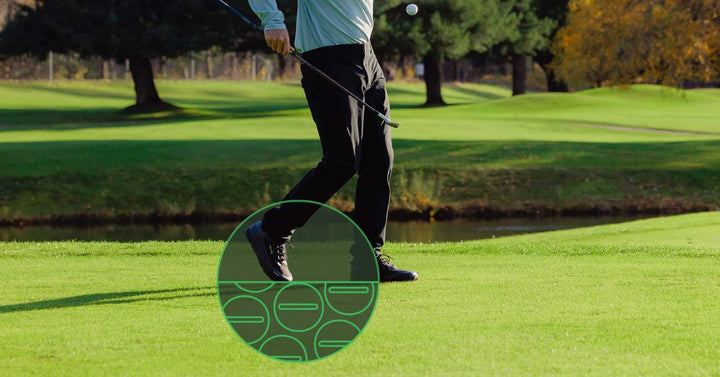
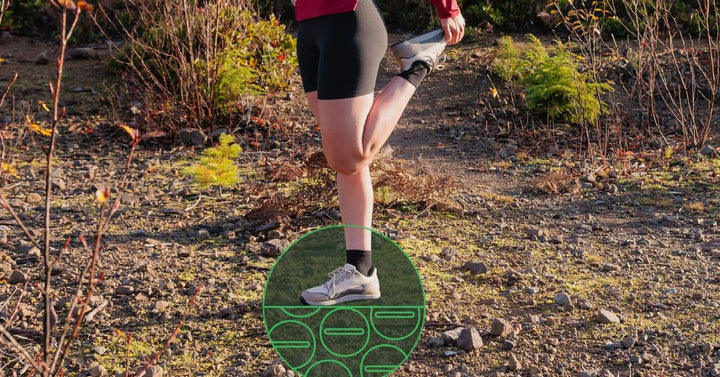
Grounding opportunities are all around you - it mostly comes down to what you’re standing (or running) on.
In the countryside, you’re often on surfaces that are more likely to support grounding. In towns and cities, small route tweaks can help you spend more time on the right kind of ground.
Use the guide below to see which surfaces are worth targeting - and which ones to skip.
Remember, to be grounded you need:
- A grounded surface
- A conductive pathway: foot, shoe & ground
- To be in direct contact

Grass

Earth

Sand

Stone

Concrete

Wood

Synthetic

Asphalt
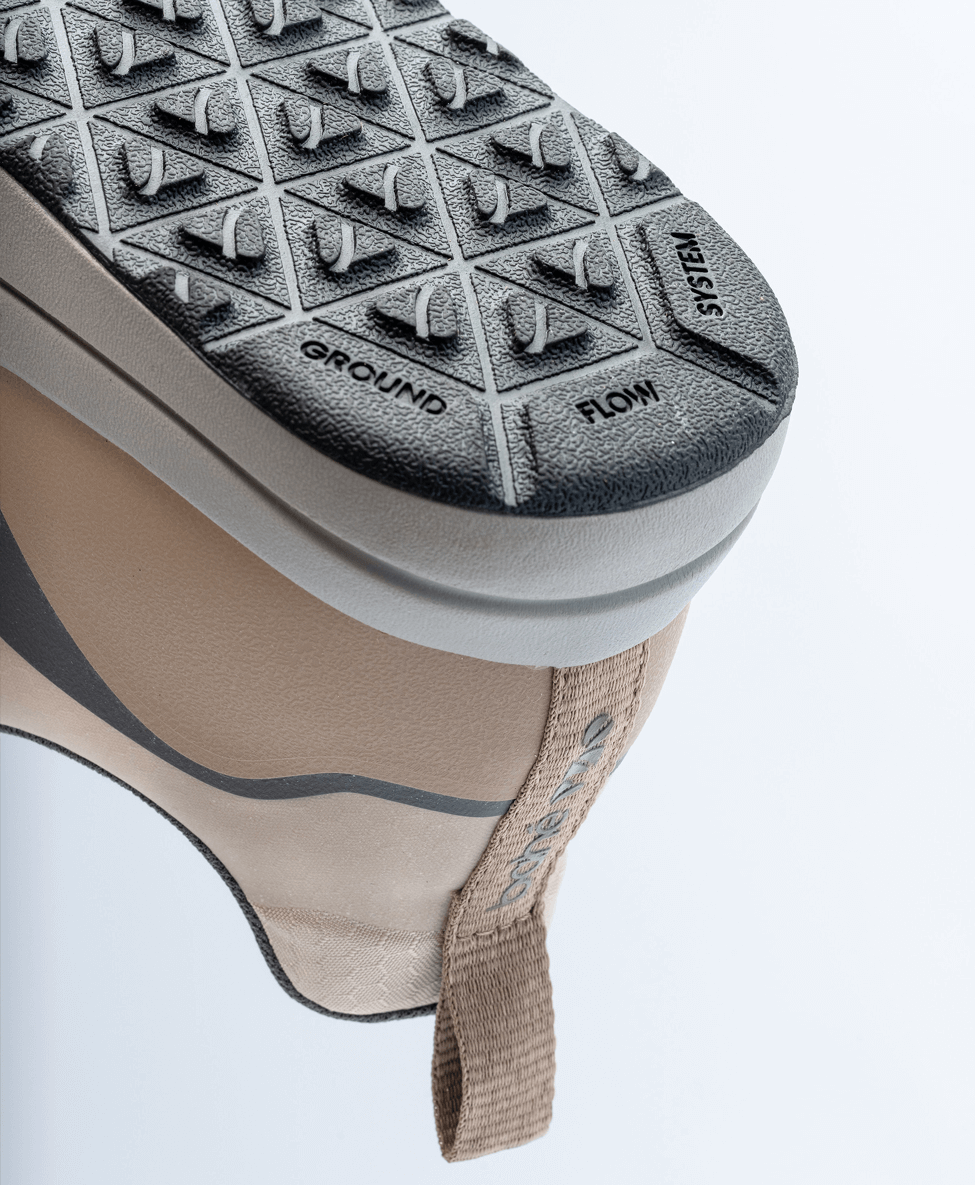
Our Ground Flow System
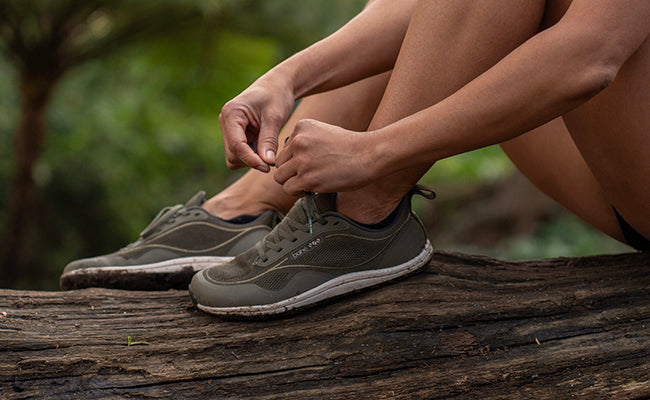
Our shoes feature our unique Ground Flow System, a series of conductive materials between the ground and your foot, meaning you can stay connected to the earths electrical charge when on grounded surfaces.
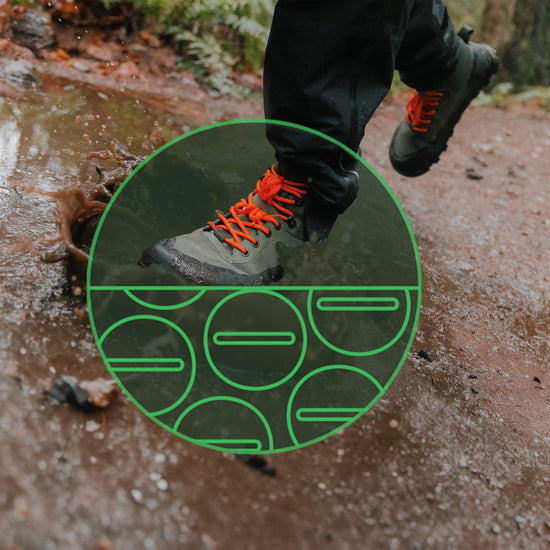
The Science Of Grounding
Humans are bioelectrical — our bodies generate and respond to electrical signals. Modern life often puts more insulation between us and natural ground. Grounding is simply restoring electrical contact with the earth on suitable, conductive natural surfaces.

The Earth is part of a natural global electrical system. In atmospheric electricity, the Earth’s surface is typically negative relative to the air above it, while the upper atmosphere is positive by comparison.
Grounding simply means restoring electrical contact with the earth (on suitable, conductive natural surfaces), allowing electrical charge to equalise between your body and the ground.
Grounding FAQs
Yes. “Earthing” is a common synonym. We mostly say grounding.
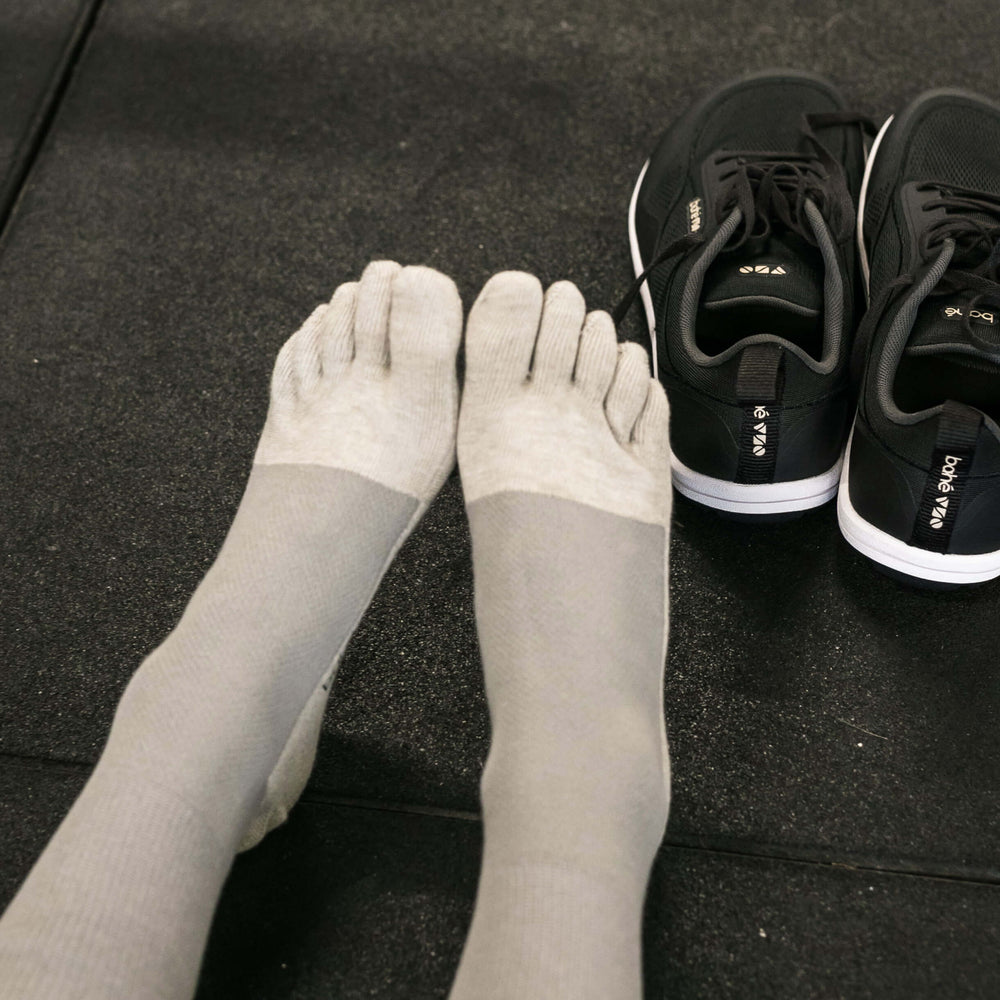
In most cases, wearing regular socks will not prevent you being grounded.
As you move, your feet will perspire and this perspiration will allow for a connection to be made between your foot and the in-soles via your socks.
We’ve tested different types of socks and we recommend thinner socks to allow for a connection to be made more quickly, but thicker socks should work fine.
Not everywhere. Grounding depends on three things: a grounded surface, a conductive path, and good contact. If the surface is not grounded - or contact is blocked - you may not get connection.
The simplest answer is: test it. You can check for a conductive path (continuity), then do a quick comparison on a grounded surface (barefoot vs normal shoe vs grounding shoe).
Conditions can change results - test on the surfaces you actually use.
Most shoes act like insulators. Grounding shoes are designed to reduce that insulation by providing a conductive pathway from foot to ground - so, on grounded surfaces, you can make electrical connection even when you’re wearing shoes.
Often, yes - barefoot on a grounded surface is the simplest form of grounding. Grounding shoes are mainly for the times you can’t (or don’t want to) be barefoot.
Don’t treat any footwear as protection in storms. If there’s lightning risk, prioritise common-sense safety - get indoors and follow local guidance.
No. They’re everyday footwear, not electrical PPE. If you work in environments with electrical risk, use the safety footwear and equipment required for your job.
Our shoes have a removable insole so it is easy to slip an orthotic in.
The grounding technology is in the front of our shoes, so if you have a half length orthotic you'll remain grounded when on the grounded surfaces. If you have a full length orthotic, we recommend wrapping conductive tape around the front of your orthotic to maintain the electrical pathway.
No - we don’t promise health outcomes. What we can do is show the mechanism: when tested on grounded surfaces, our shoes can create an electrical connection to the earth.