
How Your Foot’s Spring System Works - And What It Means for Plantar Fascia Pain

Lauren Jackson
Head Physiotherapist at Bahé

Your foot is a living spring system - built to load, adapt, store energy and release it again.
Every step asks your foot to accept force, spread it, stabilise it, then help push you forwards. The plantar fascia is part of that system - when plantar fascia pain shows up, it helps to look beyond the painful spot and consider the demand being placed on the foot and lower leg during exercise.
Andy Bryant, podiatrist, teaches us that “the plantar fascia is not working alone. It is part of a bigger system that works in a coordinated fashion.”
This blog explains how the foot’s spring system works, why the plantar fascia matters, and what that means for movement, footwear, strength and recovery.
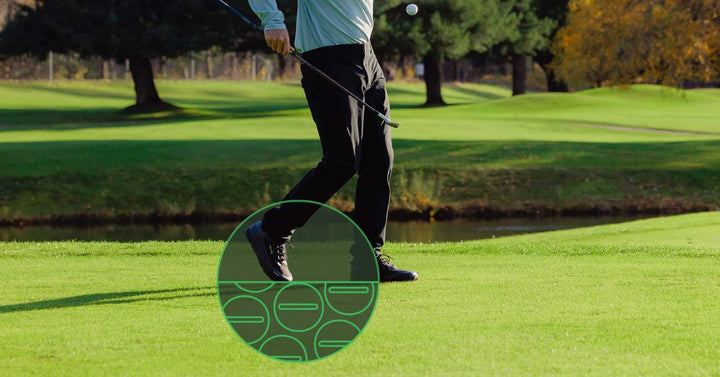
Think about what happens when you jump.
Your joints bend, your muscles control the impact, and your tissues accept force before helping you push away again. Walking and running involve repeated versions of this same concept.
The foot’s spring system is the way the arch, plantar fascia, toes, big toe, calf, Achilles and smaller foot muscles work together to accept load, adapt to the ground and help transfer energy into the next step.
When that system shares load well, walking and running can feel smooth. When one part does not contribute so well, load may be distributed differently across the foot and lower leg. In some people, this can coincide with plantar fascia symptoms (Williams et al., 2022).
The plantar fascia is a strong band of connective tissue running along the underside of the foot, from the heel towards the toes.
It helps support the arch and contributes to how forces are managed through the foot during walking and running (Farris et al., 2020; Williams et al., 2022).
It works with the arch, big toe, other toes, calf, Achilles and smaller foot muscles. When these all work together, load is shared across the foot and lower leg. When one area is stiff, weak or not contributing well, more demand may be placed on the plantar fascia. Over time, or after a sudden increase in activity, that extra demand can contribute to pain around the heel or underside of the foot.
“Plantar fascia pain is often less about one single cause or ‘bad’ tissue and more about load exceeding current capacity.” Andy Bryant, podiatrist, reminds us.
To understand plantar fascia pain, it helps to understand the gait cycle: the pattern your body moves through when you walk or run.
At initial contact, the foot accepts force. The heel, midfoot and forefoot help manage landing depending on speed, surface, footwear and walking style.
At mid-stance, your body moves over the foot. The arch lowers slightly and the foot adapts. This is normal movement. A healthy spring compresses before it recoils.
At push-off, the heel lifts and the big toe extends. This is often discussed through the windlass mechanism which is the natural tightening of the plantar fascia when the toes bend upwards, helping to support the arch and create a more rigid foot for push-off (Farris et al., 2020; Williams et al., 2022).
That switch, from adaptable to stable, needs both mobility and strength. The foot has to move, but it also has to create enough stiffness to push you forwards.
If big toe movement is limited, toe function is restricted, or calf capacity is reduced, movement patterns during the gait cycle may change.
The big toe is a key part of the spring system. During push-off, it needs to extend to help the foot form a stronger lever and support the way the arch recoils.
If your big toe is stiff, weak, or squeezed into a narrow toe box, the foot may have fewer movement options. That may change how force is managed through the arch, plantar fascia and calf. This is one reason toe space matters.
A foot-shaped shoe provides more space for the toes to move and spread naturally. It does not guarantee that symptoms will change, but it gives the foot a better environment to use the movement it is built for.
The calf and Achilles help manage ankle movement, force and forward progression during walking and running. Moving to footwear with less heel height or spending more time barefoot can increase the work these tissues need to do. If this change happens too quickly, the way load is shared through the foot may also change (Morrissey et al., 2021; Warne et al., 2017).

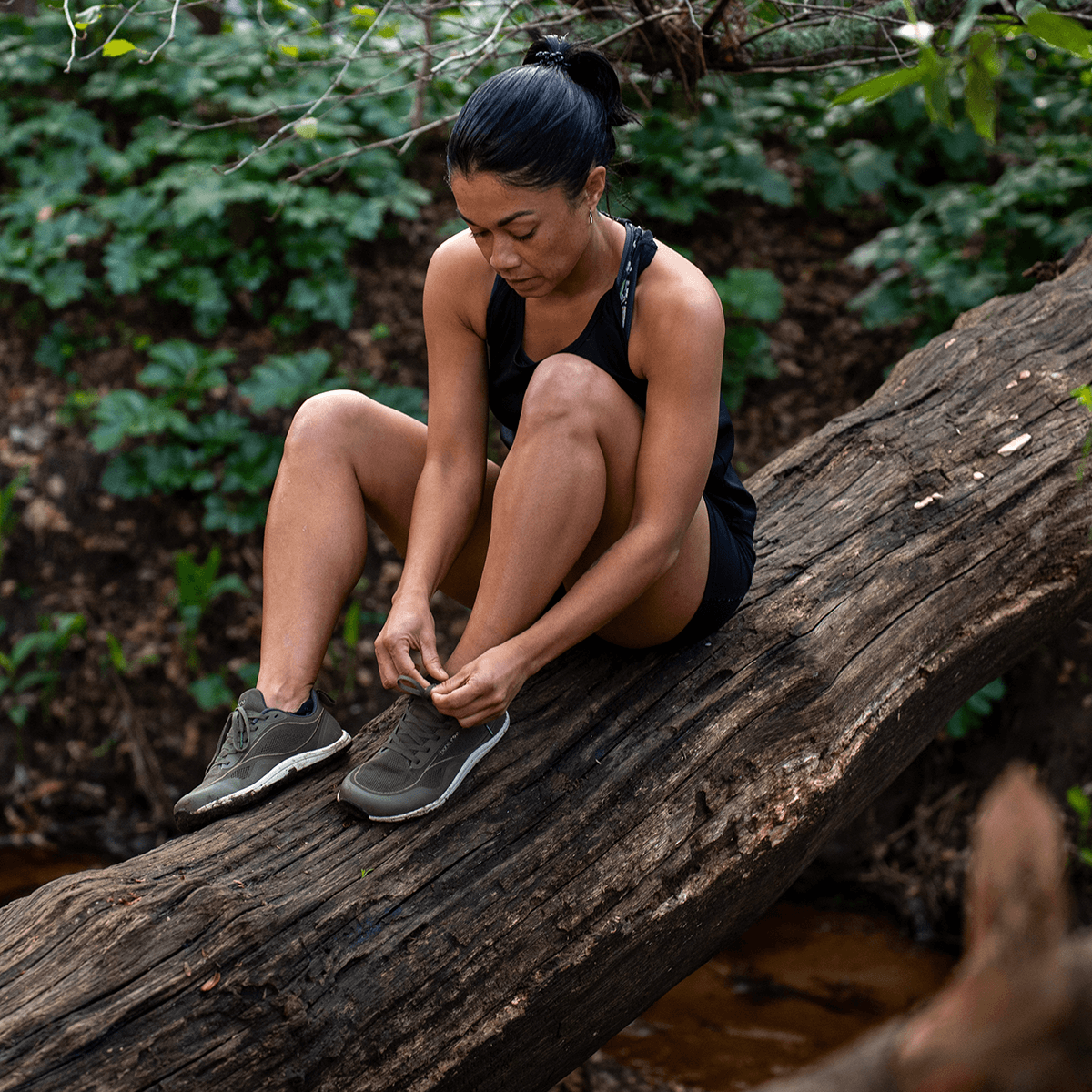
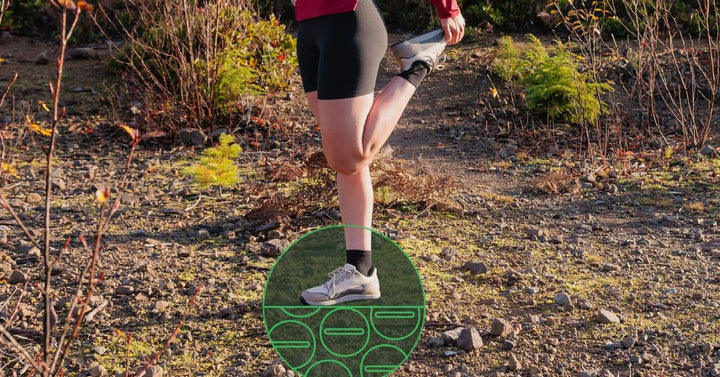
Plantar fascia symptoms often appear after something has changed. Sometimes that change is obvious: a new running plan, a new job with more standing, a new shoe, or a long walk on hard surfaces.
Sometimes it is more subtle: less sleep, more stress, different terrain, a holiday with more steps, or suddenly spending more time barefoot at home.
The foot might tolerate each input on its own, but when several inputs arrive together, the system can get overloaded.
If you start to notice discomfort in your plantar fascia, it is useful to ask yourself - what changed, and did my foot have time to adapt?
Plantar fascia symptoms are often discussed in terms of the relationship between load and capacity, where increases in demand may outpace current tolerance (Morrissey et al., 2021).
When experiencing plantar fasciitis symptoms, the aim is to find the amount of movement your foot can tolerate well, then build from there. Walking, standing and exercise all place demand through the foot, so the focus is usually on adjusting the biggest irritants, rebuilding capacity and progressing at a pace your body can adapt to.
A practical approach usually looks like this:
Areas commonly assessed in people with plantar fascia symptoms may include calf strength, ankle mobility, big toe movement, toe function and foot control (Morrissey et al., 2021; Riel et al., 2023).
For a useful exercise routine, read:
Foot Strengthening and Mobility for Plantar Fascia Symptoms: 3 Simple Steps
Footwear can either limit the spring system, support it, or help it build gradually.
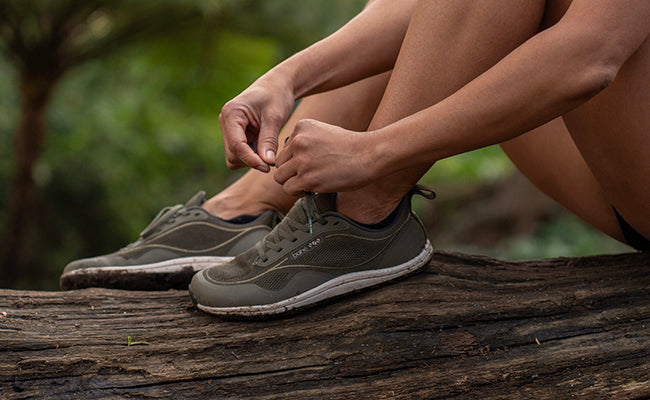
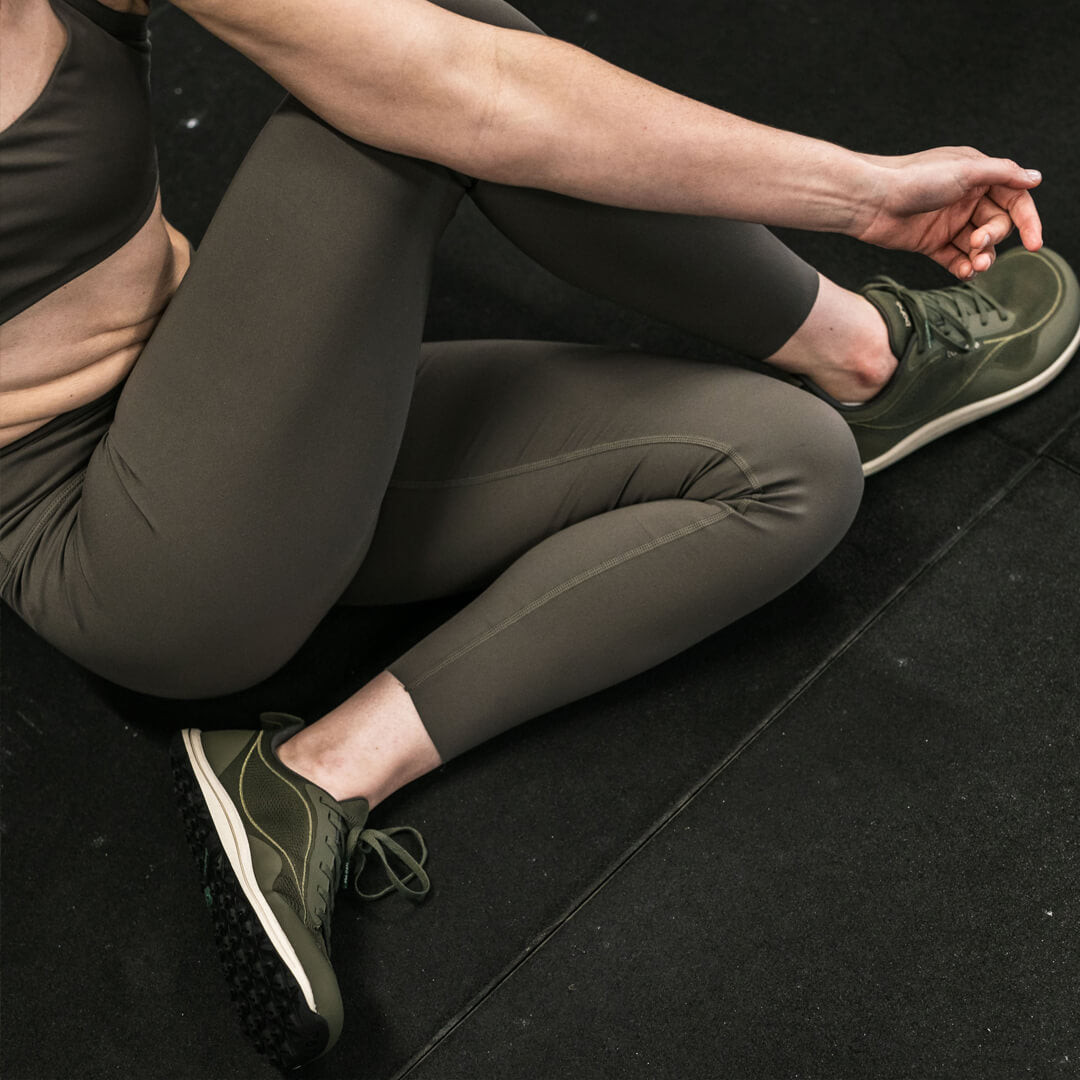
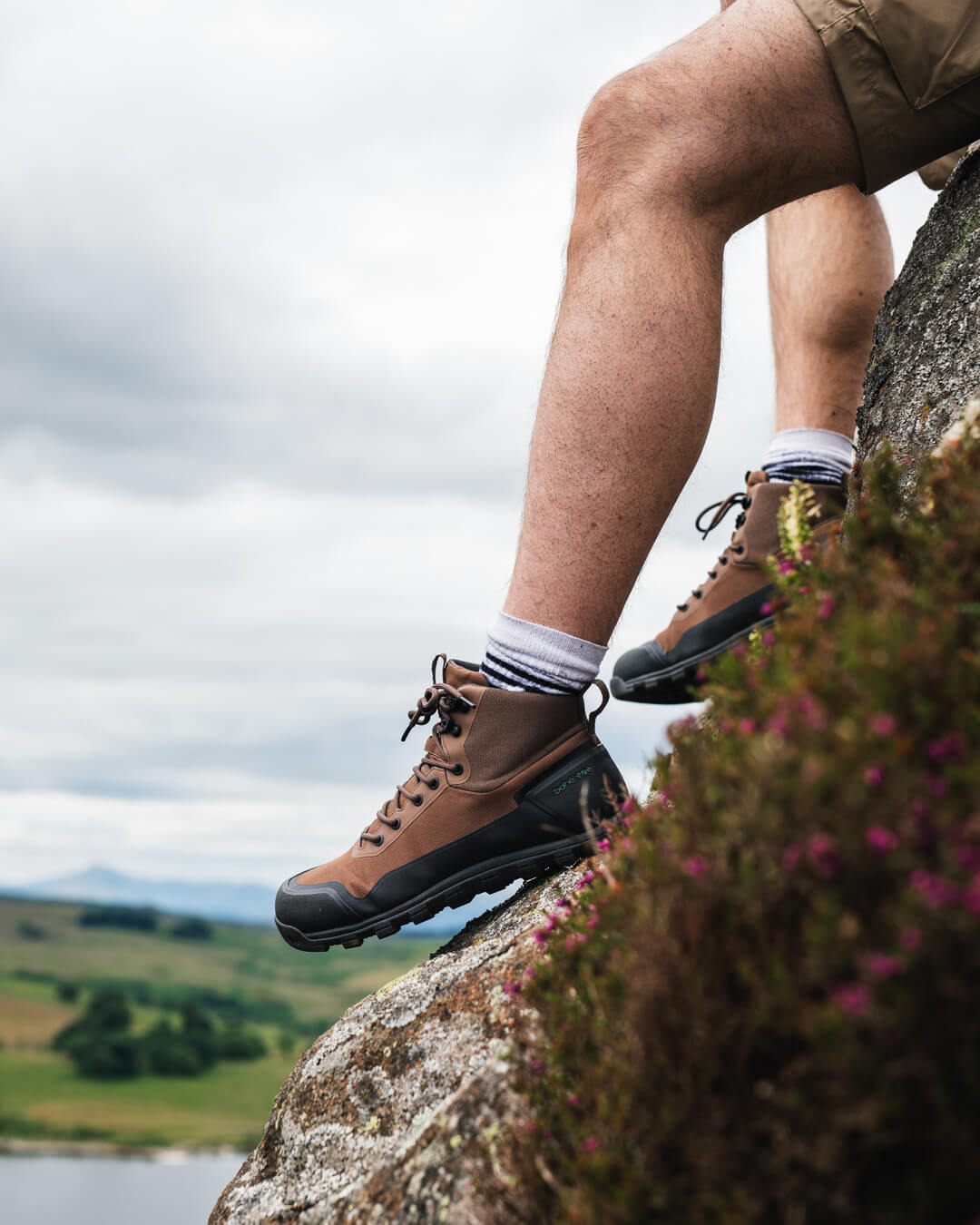
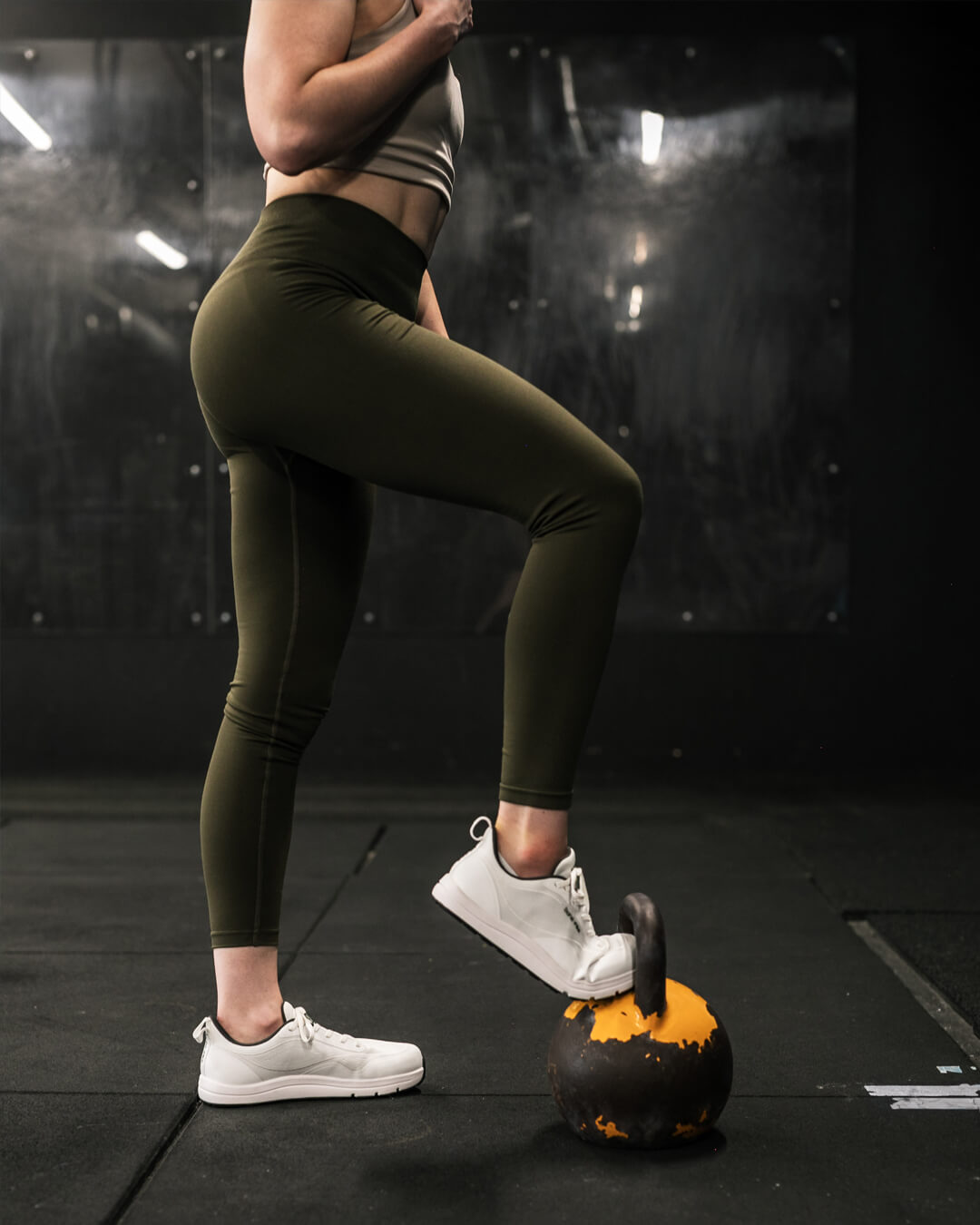
A foot-shaped, barefoot-style shoe may provide more toe space and ground feedback than some conventional footwear designs. That can be useful for rebuilding foot function.
If you are coming from conventional cushioned shoes, or if plantar fascia symptoms are active, wearing the most minimal option may be uncomfortable or too demanding for some people (Warne et al., 2017).
That is why cushioning and barefoot-style design should not be treated as opposites. A shoe can be foot-shaped, zero-drop and designed for natural movement while still offering more cushioning.
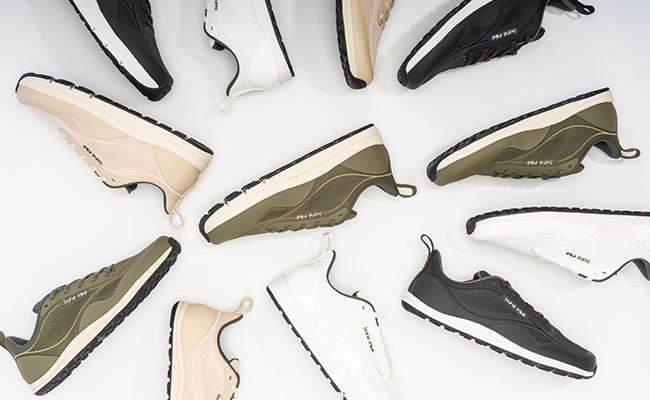
That is where Bahé Modes come in.
Modes let you change the amount of cushioning while keeping the same foot-shaped, zero-drop foundation.
Endurance gives the most cushioning, so it is the usual starting point for those new to barefoot shoes, especially if symptoms are active, or the calf and Achilles are sensitive.
Adapt reduces cushioning and increases ground feel once the foot and lower leg have built tolerance.
Flex gives the most ground feel and the least cushioning. This is good when the foot, toes, arch, calf and Achilles are ready for more input.
Andy Bryant, podiatrist, states that “the best starting point is not the most extreme one. It is the one your body can repeat, recover from and adapt to.”
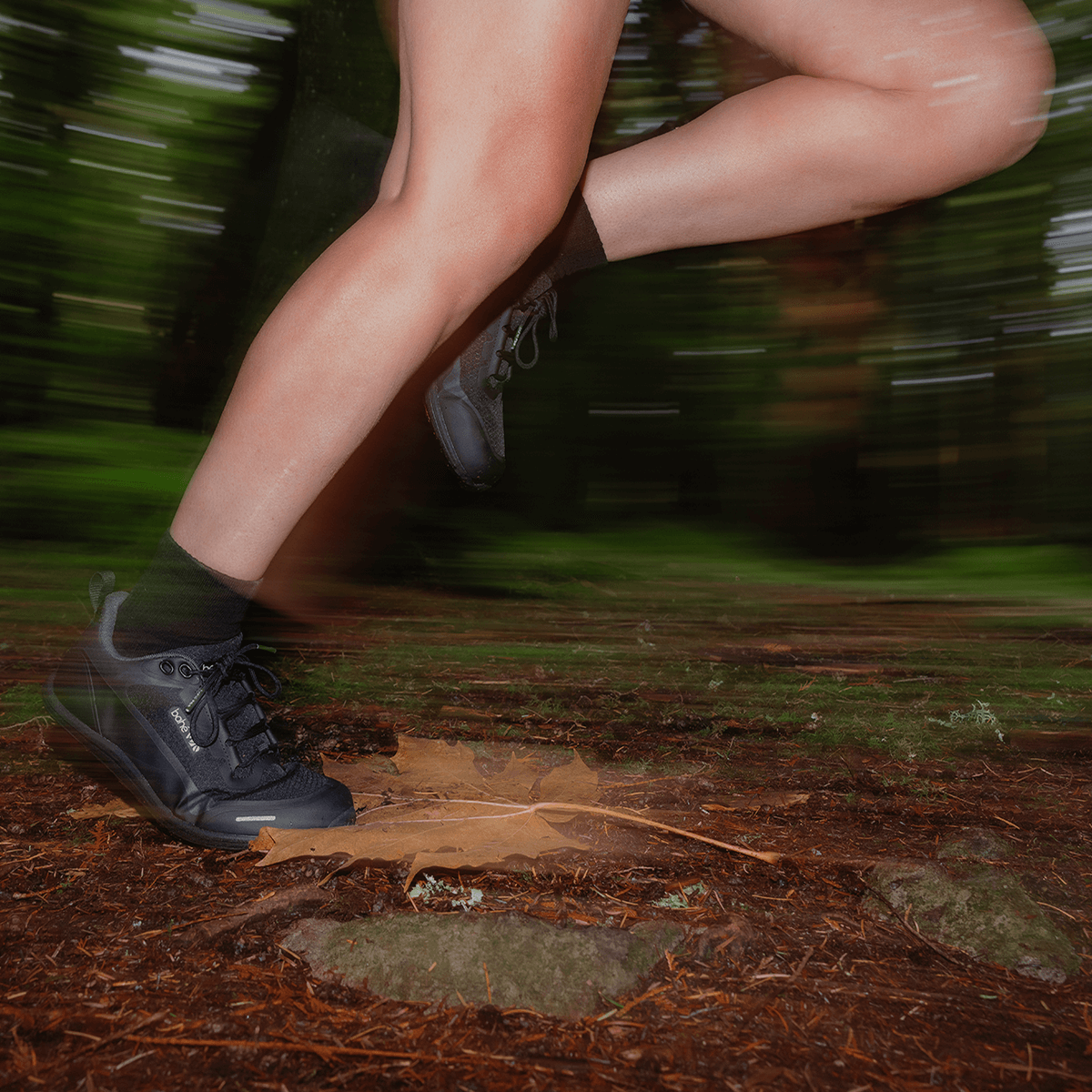
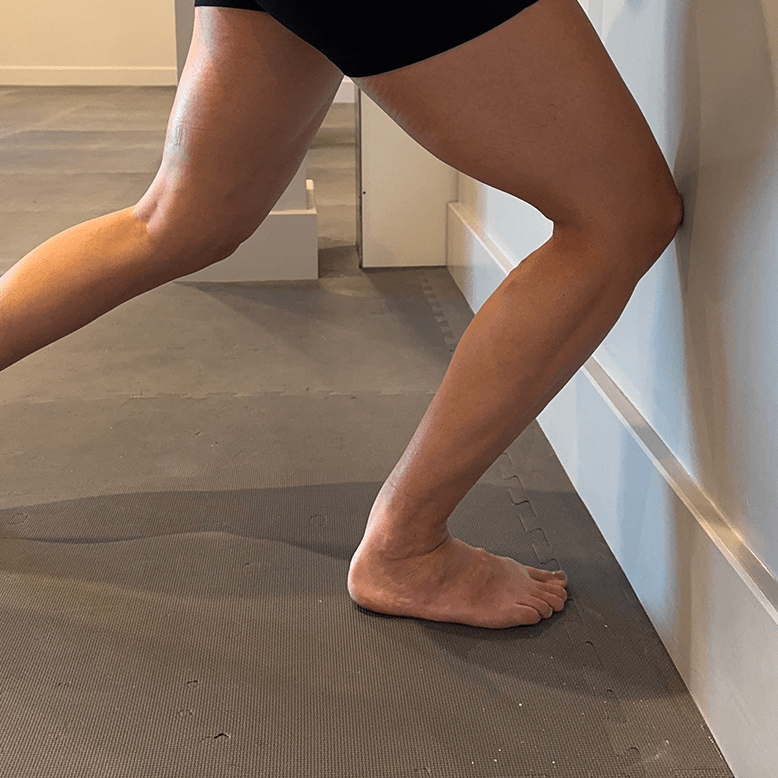
Plantar fascia pain is rarely just about the painful spot. It often makes more sense to look at the whole spring system: the foot, toes, arch, calf, Achilles and the load they are being asked to handle.
If you are suffering from plantar fascia pain, start by reducing the biggest irritant. That might mean shorter walks, fewer hills, softer surfaces, pausing speed work, reducing barefoot time temporarily, using more cushioning for longer days, or avoiding new shoes and new exercises at the same time.
This does not mean stopping movement altogether. Walking is still important, and so is continuing to load your foot at a level it can manage. The goal is to find the amount your foot can tolerate now, then build from there.
If your goal is to rebuild, work on ankle mobility, big toe extension, toe spread, arch control and gentle calf work while increasing one variable at a time. If symptoms are severe, worsening, affecting normal daily activities, or accompanied by numbness, swelling or recent trauma, seeking individual medical assessment may be appropriate.
For the full picture, read:
Plantar Fasciitis: What It Is, How It Happens, and What Footwear Has to Do With It
Plantar Fasciitis: What It Is, How It Happens, and What Footwear Has to Do With It
Does Rest Help Plantar Fasciitis? A Load-Management Approach
Can I Switch to Barefoot Shoes With Plantar Fasciitis? At-Home Movement Assessment
Foot Strengthening and Mobility for Plantar Fascia Symptoms: 3 Simple Steps


Alert me via email when this size/colour becomes available


Leave a comment