UK Based: Duty-free Delivery

How to Choose Your First Barefoot Shoes
Barefoot-style shoes are designed around natural foot shape and movement: more toe room, a level (zero-drop) platform, and a more flexible sole than traditional shoes. The key is choosing a first pair you’ll actually wear - based on your goals, your training, and how quickly you want to transition.


5 Tips For Choosing Your First Pair
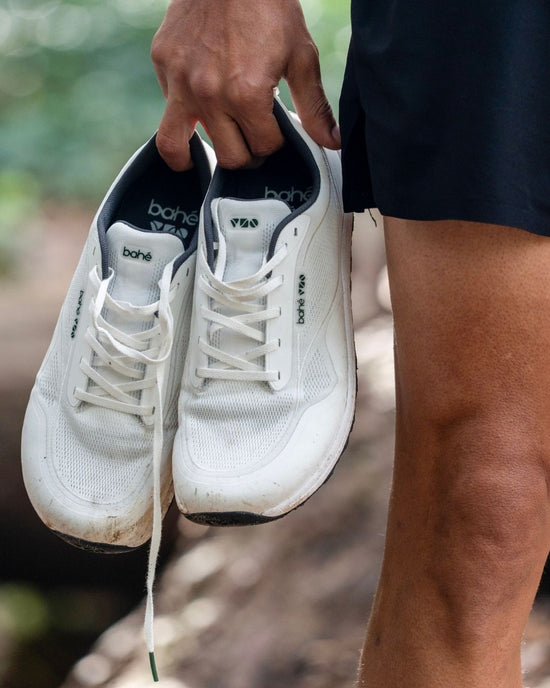
1. Know Your Goal: Performance, Ground Feel, or Easy Daily Wear
Your goal decides your best starting shoes. If you want to wear barefoot-style shoes more often, sooner, choose a pair with a more cushioned sole. If you want maximum feedback to focus on technique, you can start with a thinner sole, but keep early sessions shorter so your body can adapt steadily.
At Bahé, we offer different sole cushioning levels, Modes, so you can find the pair that suits you.
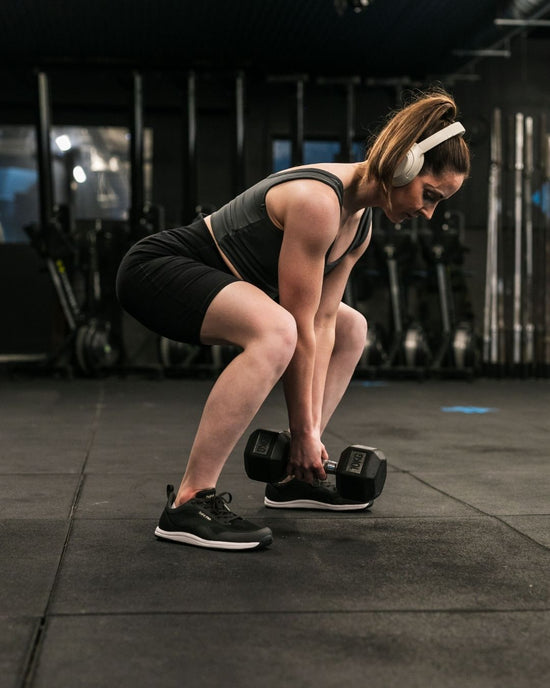
2. Prioritise Versatility
The best first pair is the one that fits your real week: walking, commuting, gym, and the occasional light run. If you buy for one specific use-case, you often end up wearing them less, and consistency is what makes barefoot-style start to feel natural. Choose the pair that matches your most common day, not a specific activity.
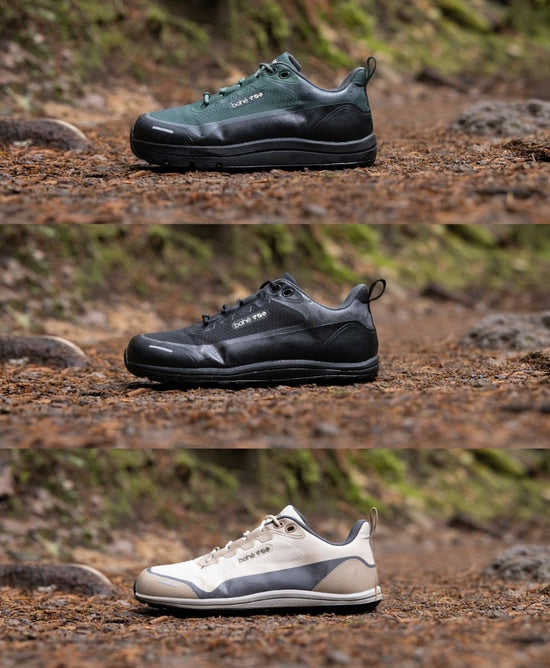
3. Don't Aim For Too Minimal Too Soon
The goal is healthy movement and a functional feel, not just “less shoe”. To make the switch sustainable, choose a level of ground feel and cushioning you’ll actually wear regularly. All Bahé shoes are foot-shaped and zero-drop, so your main choice is how much underfoot cushioning you want while you adapt.
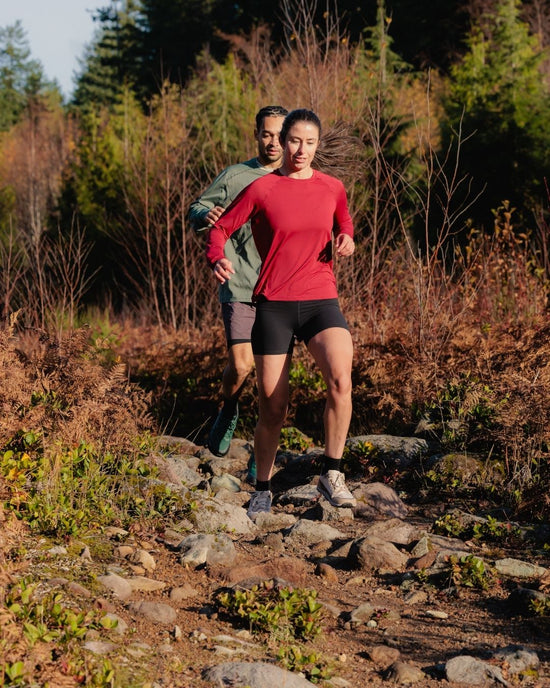
4. If Running Is Your Goal, Choose A Running-friendly Start
If you want to switch to barefoot shoes, but continue running, your choice of first pair matters more. Running loads your feet and legs more, so adjusting time and reduced mileage is a key transition consideration. If you are willing to cut back significantly and focus on form, a less cushioned option like our Flex model can work, however if you want to maintain a little more milage early on, our more cushioned Endurance or Adapt models are advisable.
5. Use Simple Transition Tools
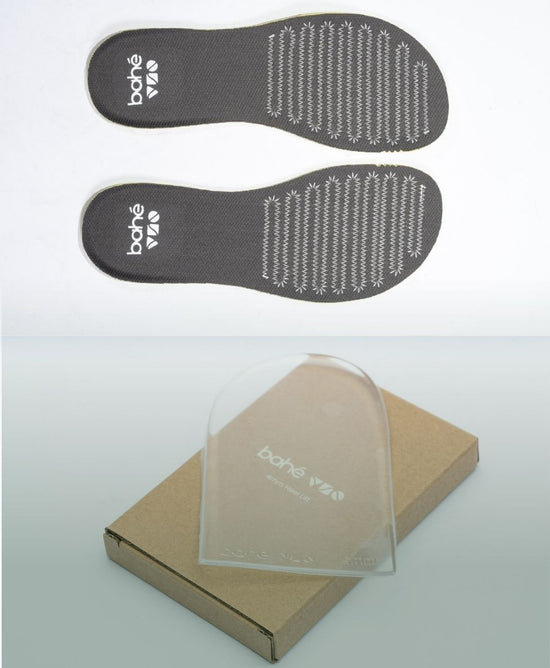
Transitioning to barefoot shoes isn't just about the footwear itself. Some simple tools such as heel lifts and extra insoles can make a huge difference and allow you to vary your set up day to day or as you build up over time.
Ask Us For Advice
Watch the video below with Charlie (Head of Movement) sharing his advice for choosing your first pair of barefoot shoes. If you’d like guidance based on your goals, training, and starting point, send us an email or DM us on Instagram.
Find Your Starting Point With Bahé Modes
Your first barefoot-style shoes don’t need to be your forever shoes. The goal is to pick a set-up that suits your starting point and the way you’ll actually use them - so you can stay consistent and build from there.
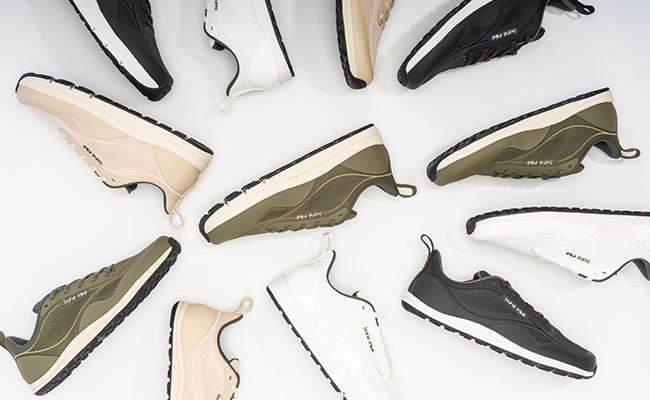
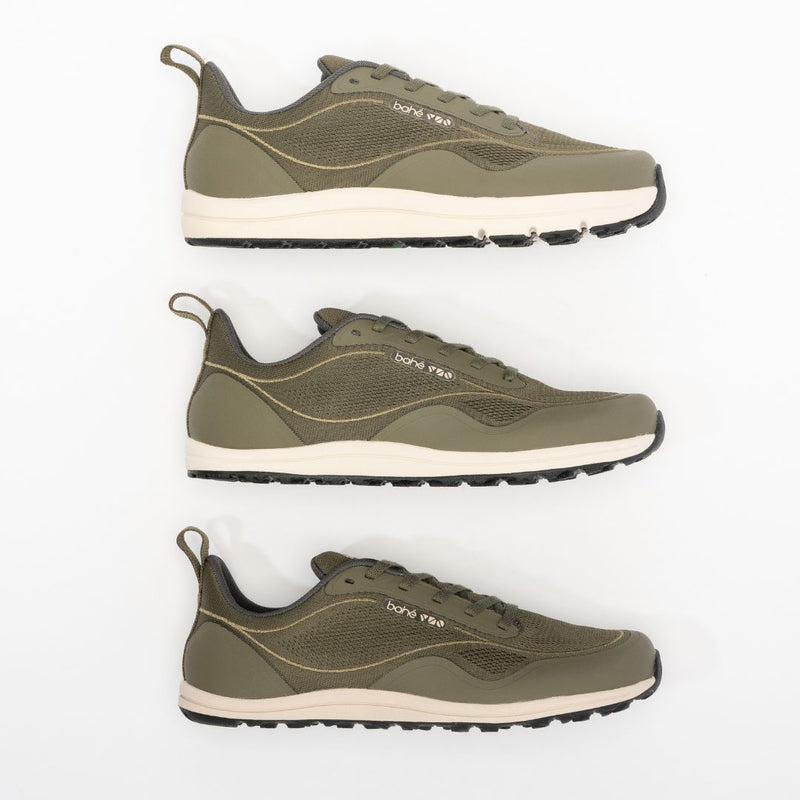
That’s why we created Bahé Modes: three cushioning levels on the same foot-shaped, zero-drop platform. They mainly change ground feel vs cushioning underfoot, which can make a big difference to how your transition feels day to day.
There isn’t one “right” Mode - just the one that fits your life right now. For most people, progression tends to be Endurance -> Adapt -> Flex over time. Some people prefer less cushioning from the start to tune into technique - but they’ll usually keep the rest of their inputs lighter (shorter time, easier sessions) while they adapt.
Matching The Mode To Your Goals
All Bahé Modes are foot-shaped and zero-drop - the main difference is ground feel vs cushioning underfoot.
| Your Goal | Best Starting Mode (For Most People) | Why This Works | What To Do In The First Weeks |
|---|---|---|---|
| The easiest everyday switch (walking + casual) | Endurance | More forgiving underfoot while you adapt. | Regular wear should be achievable. If you feel any calf or achilles discomfort, consider adding a heel lift. |
|
The easiest everyday switch (walking + casual) Best Starting Mode (For Most People) Endurance Why This Works More forgiving underfoot while you adapt. What To Do In The First Weeks Regular wear should be achievable. If you feel any calf or achilles discomfort, consider adding a heel lift. |
|||
| A versatile pair (walk + gym + a bit of running) | Adapt (or Endurance if you are coming from very cushioned/high-drop shoes) | Balanced ground feel + cushioning for mixed days. | Use regularly for casual use as you adapt. Gradually build up wear time for training activities. |
|
A versatile pair (walk + gym + a bit of running) Best Starting Mode (For Most People) Adapt (or Endurance if you are coming from very cushioned/high-drop shoes) Why This Works Balanced ground feel + cushioning for mixed days. What To Do In The First Weeks Use regularly for casual use as you adapt. Gradually build up wear time for training activities. |
|||
| Running is my priority | Endurance | Easiest entry point for higher volume + harder ground. | Build a walking base, then short running distances gradually. |
|
Running is my priority Best Starting Mode (For Most People) Endurance Why This Works Easiest entry point for higher volume + harder ground. What To Do In The First Weeks Build a walking base, then short running distances gradually. |
|||
| I am here for technique + feedback | Flex (or Adapt if you want a little extra amount of cushioning) | Better signals from the ground allow you to hone in on your technique. | Keep early sessions shorter and slower, build gradually, don't push yourself. |
|
I am here for technique + feedback Best Starting Mode (For Most People) Flex (or Adapt if you want a little extra amount of cushioning) Why This Works Better signals from the ground allow you to hone in on your technique. What To Do In The First Weeks Keep early sessions shorter and slower, build gradually, don't push yourself. |
|||
| I have long days on hard ground | Endurance (or Adapt + extra insole if you want ground feel with extra cushioning) | Hard ground adds demand per step. | Keep hard-ground blocks shorter at first, build up if you recover quickly. |
|
I have long days on hard ground Best Starting Mode (For Most People) Endurance (or Adapt + extra insole if you want ground feel with extra cushioning) Why This Works Hard ground adds demand per step. What To Do In The First Weeks Keep hard-ground blocks shorter at first, build up if you recover quickly. |
|||
| I already wear flat/minimal shoes sometimes | Adapt or Flex (based on your goal) | Your baseline tolerance is higher. | Still build in steps - do not stack big changes at once. |
|
I already wear flat/minimal shoes sometimes Best Starting Mode (For Most People) Adapt or Flex (based on your goal) Why This Works Your baseline tolerance is higher. What To Do In The First Weeks Still build in steps - do not stack big changes at once. |
|||
| I want the most natural experience | Flex | More ground feel supports awareness. | Build gradually and spend more time on soft, natural surfaces. |
|
I want the most natural experience Best Starting Mode (For Most People) Flex Why This Works More ground feel supports awareness. What To Do In The First Weeks Build gradually and spend more time on soft, natural surfaces. |
|||

Unsure which Mode
is for you?
Ease The Transition
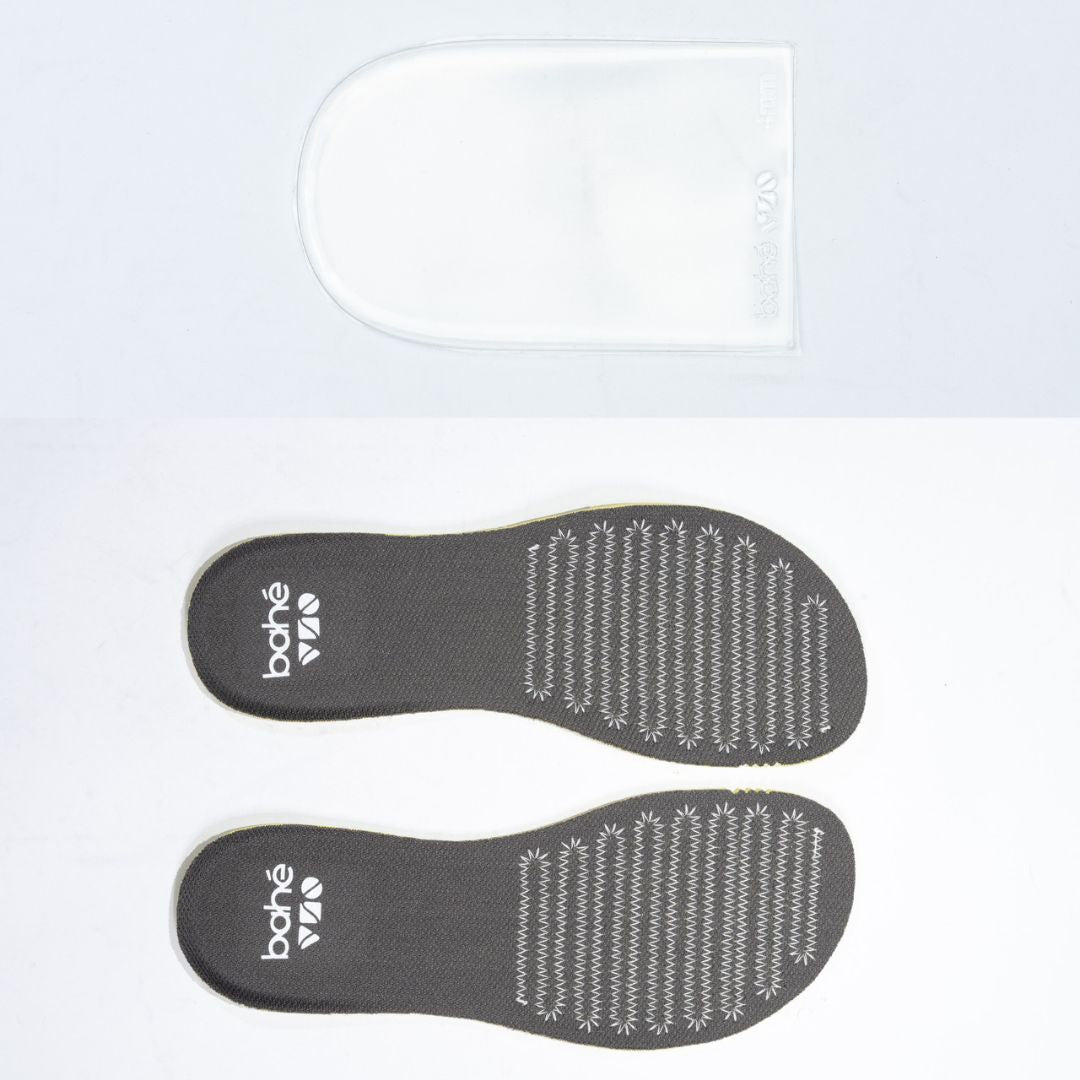
If you want your transition to feel smoother, we’ve got a couple of simple tools you can use alongside time, surface and intensity.
Heel lifts are a zero-drop transition dial. They add a small amount of height under the heel, which can make the switch feel less abrupt for some people - especially if calves or Achilles feel the change early on.
Extra insoles are mainly a fit-and-feel dial. They can add a touch more underfoot cushioning, and slightly reduce ground feel - useful on harder ground or longer days.
New to Barefoot Shoes?

Supporting your transition with some simple exercises can make a huge difference

Barefoot shoes fit differently - use our guide to get your fit right first time.
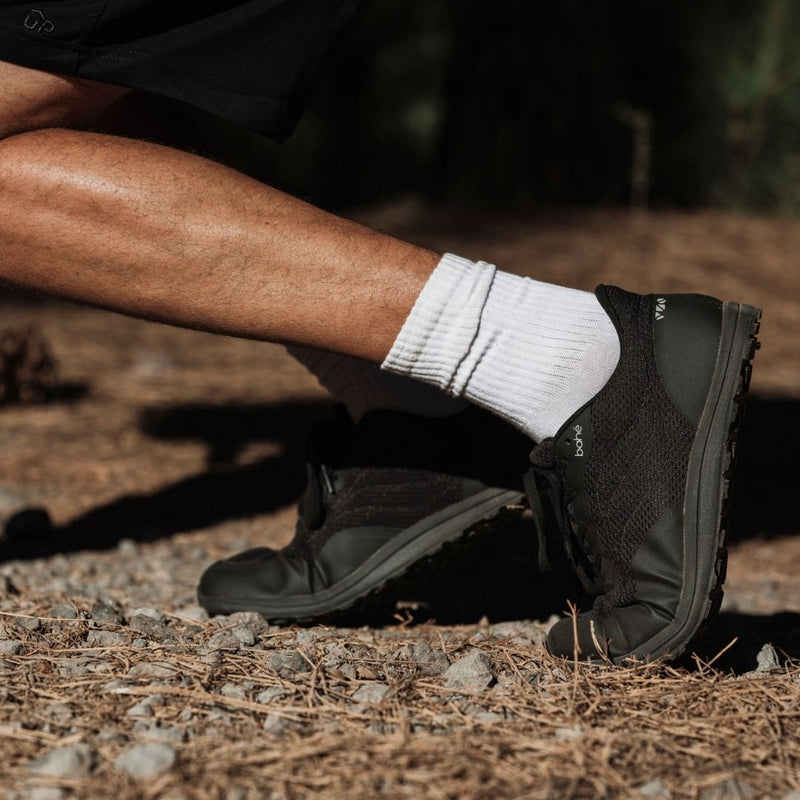
Want a smoother switch? Follow our beginner plan for a steady, sustainable transition
Start With Your Right Cushioning Level

Most Cushioned
Endurance Mode

Balanced Cushioning
Adapt Mode

Most Flexible
Flex Mode
Barefoot Transition FAQs
Focus on what you will actually use them for - the best transition shoe is the one you'll wear the most. Consider the cushioning level you will wear consistently. More cushioning often suits long days, hard ground, and running sooner. Less cushioning suits technique focus if you are happy to start with smaller wear times.
Yes - as long as you start where you are and build gradually. Most people do best when their first pair feels easy enough to wear regularly.
Yes - as long as you start where you are and build gradually. Most people do best when their first pair feels easy enough to repeat.
Zero-drop is a core feature of barefoot-style shoes, though it does take some time to adjust to depending on your start point and activities. Gradually increase wear time and consider adding heel lifts to make the transition more gradual.
You can, but build slowly and reduce your distances. If running is your priority, a more cushioned first shoe usually makes it easier to stay consistent while you adapt. Focus on your technique, aiming for shorter strides and consider adding heel lifts to ease the transition. If you feel discomfort, don't push through, allow your body time to recover.
Barefoot shoes fit differently - that's the point. They should feel secure at the heel and midfoot, with intentional room for toes. For the full sizing logic, use the Fit and Size Guide.
Switching to zero-drop shoes means your body works in a more natural way which can take time to adapt to. Calf or Achilles pain often means the step size was bigger than your body was ready for initially. Reduce time, keep surfaces easier, and build back gradually.
It varies. Most people do best thinking in weeks and months, not days. The smoothest progress comes from small, repeatable sessions and gradual increases. Casual use and walking is quicker to adapt to than running which needs a slow and steady adaptation time built in.
(Link: 0–12 week plan)