
Five Common Questions About Barefoot Shoes

Charlie Kirby
Head of Movement

Barefoot shoes can be a great choice if you want more room for your toes to spread, a level sole and greater freedom to move naturally. They are designed to work more closely with the shape and movement of your feet, while still giving you protection from the ground.
This article answers five of the most common questions about barefoot shoes, including what makes them different, whether they are good for you, what “support” really means and how to get started.
The main difference is that barefoot shoes are designed to allow your feet to move more naturally, without forcing them into the narrower shape and more rigid structure common in conventional footwear.
Most barefoot shoes combine several features:
Together, these features give the toes room to spread, allow the foot to adapt as it meets the ground and let the joints move more freely through each step.
Many barefoot shoes use a very thin, minimal sole to maximise ground feel. That can be a great option, but at Bahé we see cushioning as a variable rather than a defining rule. The right amount depends on your experience, the surfaces you move across and what you want to do in the shoes.
The aim is to give the foot the freedom to move naturally while still providing enough protection for the activity. That balance may look different for a short walk, a gym session, a long run or a rocky trail.
For a closer look at the terminology and the Five Fs, check our post on Understanding Barefoot Shoes: Minimalist, Zero-Drop and Cushioned - What’s the Difference?
Yes, they can support healthy foot function by giving your toes room to spread, allowing your feet to move more naturally and reducing some of the restrictions built into conventional footwear.
A wide, foot-shaped toe box matters because the toes need space to align, spread and contribute as you balance, walk and push away from the ground. The imagebelow highlights how conventional shoes can force the toes into an unnaturally tapered position.
A flexible sole lets the foot adapt through each step, while greater ground feel gives you clearer feedback about the surface beneath you. That sensory information can help you become more aware of foot placement and how you are moving.
A zero-drop platform removes the forward tilt created by an elevated heel. By placing the heel and forefoot at the same height, it allows the foot, ankle and lower leg to work from a level base and move through a more natural range.
Research into minimalist footwear suggests that regular use may increase the size or strength of some intrinsic foot muscles in healthy adults, although results vary according to the footwear, activity and transition used (Xu, Saliba and Jaffri, 2023).
If you are new to barefoot shoes, we always suggest introducing them gradually. Feet and lower legs that have spent years in structured, cushioned footwear may need time to adapt to greater ranges of movement, more ground feel and a level sole. Starting with shorter periods and building from there usually makes the change feel more manageable.
Zero-drop footwear changes how work is distributed around the ankle and lower leg, while a more flexible sole allows the foot to move through a greater range. These are some of the reasons barefoot shoes can help people build stronger, more capable feet over time, but they can also create demands that the body is not used to straight away.
For some people, the change feels easy. Short walks, everyday wear or controlled gym sessions may feel comfortable from the start, especially when exposure is built gradually. Other activities place more demand on the feet and lower legs. Running, longer walks, hard surfaces and thinner soles all require more work from the calf, Achilles and smaller muscles of the foot.
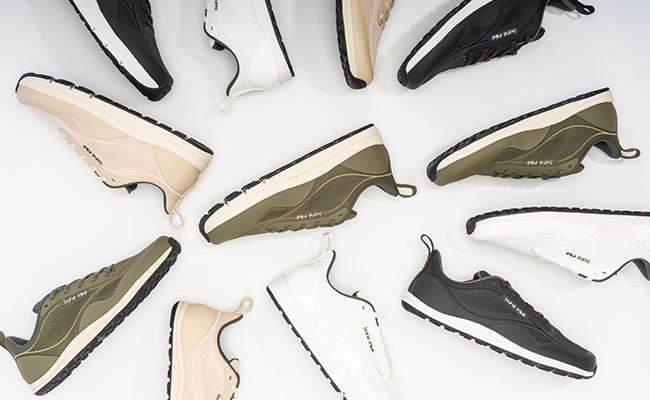
This is why the shoe you begin with matters. A more cushioned barefoot shoe can give you the foot-shaped fit, zero-drop base and freedom of movement while making the transition feel more forgiving. With Bahé Modes, Endurance is usually the most suitable starting point for people moving from conventional cushioned footwear, particularly for running or longer periods on their feet. Adapt and Flex offer progressively more ground feel and less cushioning for people who are ready for it.
Some mild muscular soreness can happen as your feet and lower legs adjust, especially after running or longer periods in a thinner shoe. It should feel manageable and settle with recovery rather than becoming more noticeable each day.
If soreness is building, reduce the overall demand for a while. That might mean shortening a run, wearing the shoes for less time, choosing an easier surface or using more cushioning. You can then build again as your body becomes comfortable with the change.
Persistent or worsening pain, swelling, numbness, pain following trauma or symptoms that affect the way you walk are different from ordinary muscular soreness and are worth having assessed individually.
Our guide to zero-drop shoes and calf or Achilles discomfort explains why the lower leg may feel different and how to respond
It helps to separate “support” into three things: cushioning, upper structure and technologies designed to control movement.
Cushioning affects how much impact and ground detail you feel. Many barefoot shoes use very thin soles, which can feel demanding for beginners or during longer periods on hard surfaces. At Bahé, our Modes system offers three levels of sole cushioning, from the more cushioned Endurance option to thinner soles with greater ground feel.
The structure of the upper matters too. Our view is that the foot, upper and sole should work together as one system. That does not mean making the shoe stiff. It means giving the heel and midfoot enough secure hold to match the structure of the sole, while keeping plenty of space for the toes and freedom for the foot to move.
Supportive technologies, such as rigid arch structures or anti-pronation elements, are designed to control movement. Barefoot footwear generally uses less of this structure, allowing more of the work to be managed by the foot and lower leg.
Some people will feel comfortable with less cushioning and structure quite quickly, while others may benefit from keeping more of both as their feet and lower legs adapt. The aim is to build strength, control and confidence over time, giving your feet and lower legs the chance to adapt as you gradually explore less cushioning and structure.
A good starting point comes down to three things: the shoe you choose, how strong and adapted your feet already are, and the activities and surfaces you plan to use them for.
Start with the right shoe.
If you are coming from conventional cushioned footwear, a barefoot shoe with more cushioning can make the change feel smoother while still giving you a foot-shaped fit, zero-drop base and greater freedom of movement. With Bahé Modes - our three levels of sole cushioning - most people will find Endurance the most comfortable place to begin, before exploring Adapt or Flex as they gain experience.
Consider your current foot strength and experience.
Someone who already spends plenty of time barefoot, has good foot strength and mobility, or regularly does activities that challenge the feet may feel ready for less cushioning sooner. If this is all new, shorter periods of wear give your feet, calves and lower legs time to become familiar with the extra movement and ground feel.
Match the shoe to the activity and surface.
Everyday walking, controlled gym work and shorter sessions are often easier places to begin than long runs or rough trails. Softer, smoother surfaces usually feel more forgiving, while harder or uneven ground may suit a more cushioned option at first.
You can then build naturally from there - increasing wear time, trying different activities and choosing less cushioning when it feels right for your body and your goals.
Whichever starting point you choose, build up wear time and activity gradually, and pay attention to how your feet and lower legs feel between sessions. If they are recovering well, you can keep progressing.
Use our 0-12 Week Barefoot Shoe Transition Plan for a fuller introduction based on shoe choice, activity, recovery and gradual exposure.
Barefoot shoes are designed to give your feet more space, clearer feedback from the ground and greater freedom to move naturally. Choosing the right level of cushioning and building up your activity gradually can help your feet and lower legs adapt while giving you more confidence in the transition.
Start with what feels right for your body now, then give yourself time to build strength, control and comfort as you move more naturally.

Alert me via email when this size/colour becomes available


Leave a comment