UK Based: Duty-free Delivery


Why Zero-drop Can Hurt Calves
(And What To Do)
Switching to zero-drop shoes can help restore more natural movement. By moving to a level platform, you're allowing your calves and Achilles to do more of their natural job again - and during the transition, it’s common to feel that extra work as they adapt. This guide explains what’s happening and how to progress with confidence.
Reawakening Natural Performance
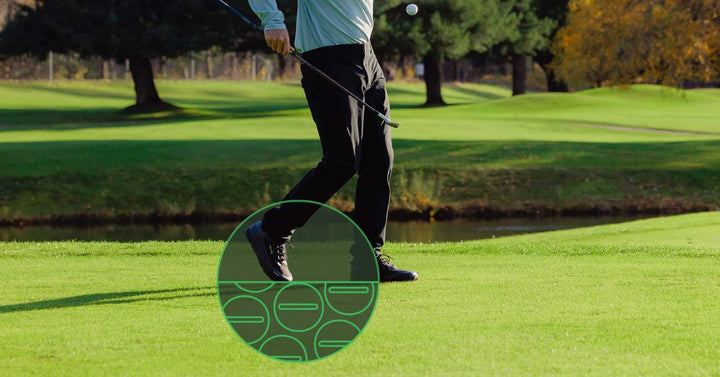
Most shoes have a raised heel. Zero-drop levels the platform - and that small geometry change shifts how your lower legs function.

Raised-heel Shoes
An elevated heel changes your natural biomechanics, so calves and Achilles are activated less and work through a shorter movement range.

Zero-drop Shoes
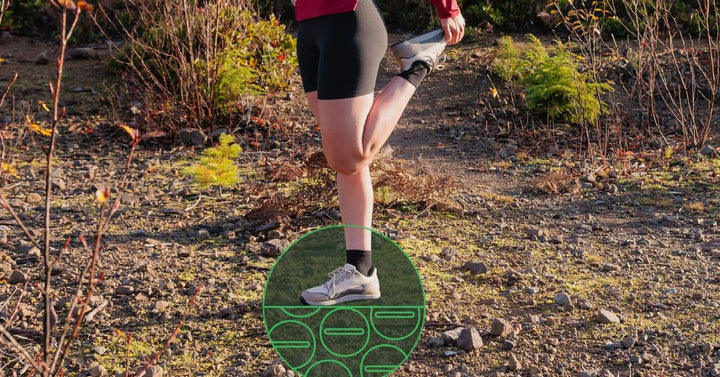
Zero drop brings your heel and forefoot level, letting calves and Achilles work through a more natural range as you walk and run - building control and “spring” over time.

How Zero-drop Changes Load
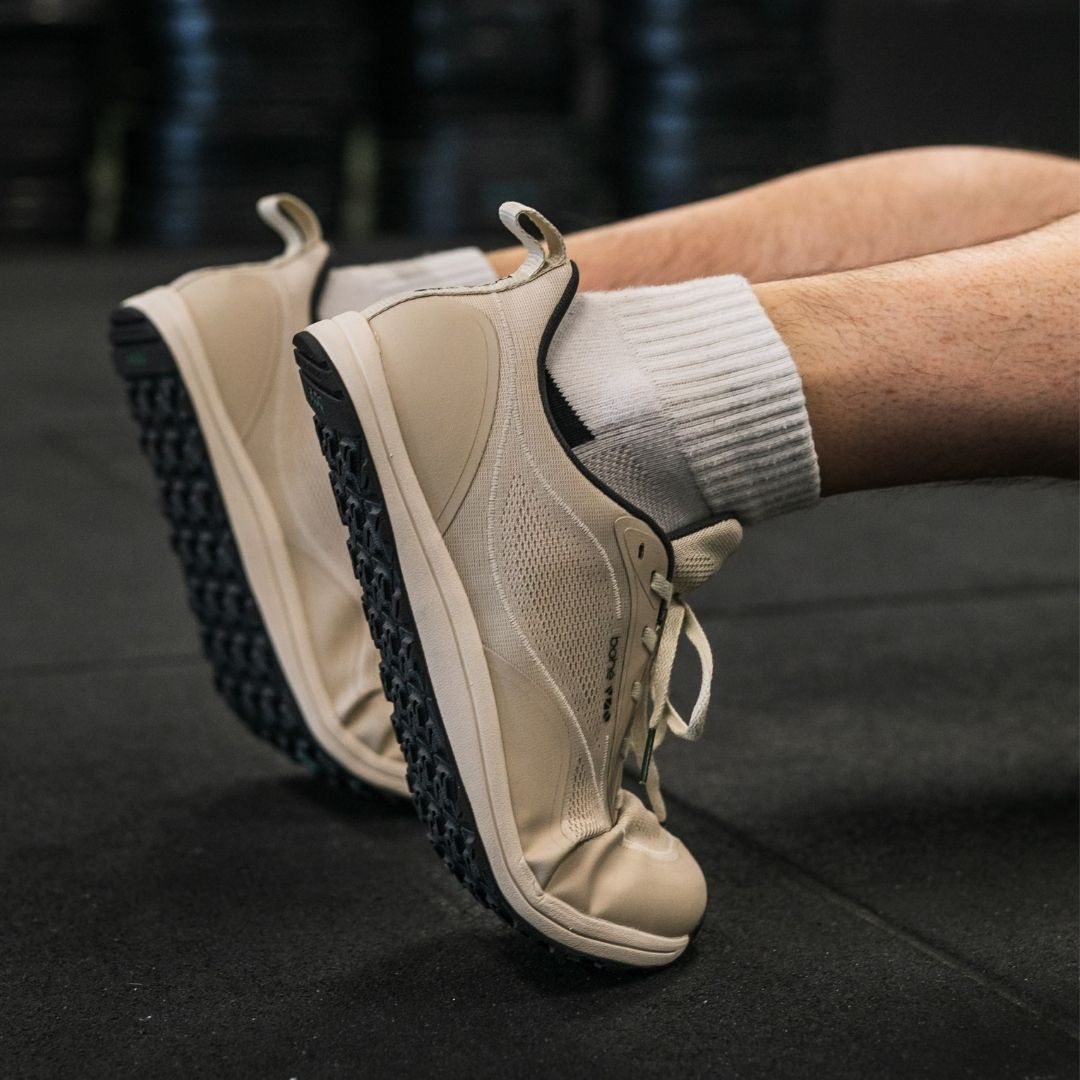
How Zero-drop Changes Load
Zero-drop shoes put your ankles back in their natural position, meaning they can work through a wider range of motion and function more naturally. This is a positive change, but it can require some time to adapt.
In raised-heel shoes, the ankle sits in a slightly more plantarflexed (pointed toes) position. On a level platform, your ankle starts flatter — which means your calves and Achilles work through an increased range of movement with each step.
That matters because the gastrocnemius and soleus (your calf muscles) work with the Achilles tendon like a spring: they help control your landing, store energy as you load, then release it as you push off. When you move to a level platform, you’re allowing that spring to do more of what it’s designed to do — and during the early transition it’s normal to feel that extra demand as your tissues build capacity.
It’s not just “range”, either. With less built-up cushioning underfoot, you can feel more impact and feedback from the ground — which can increase how much the calf–Achilles system has to manage, especially on harder surfaces or longer sessions.
What Works Your Calves More
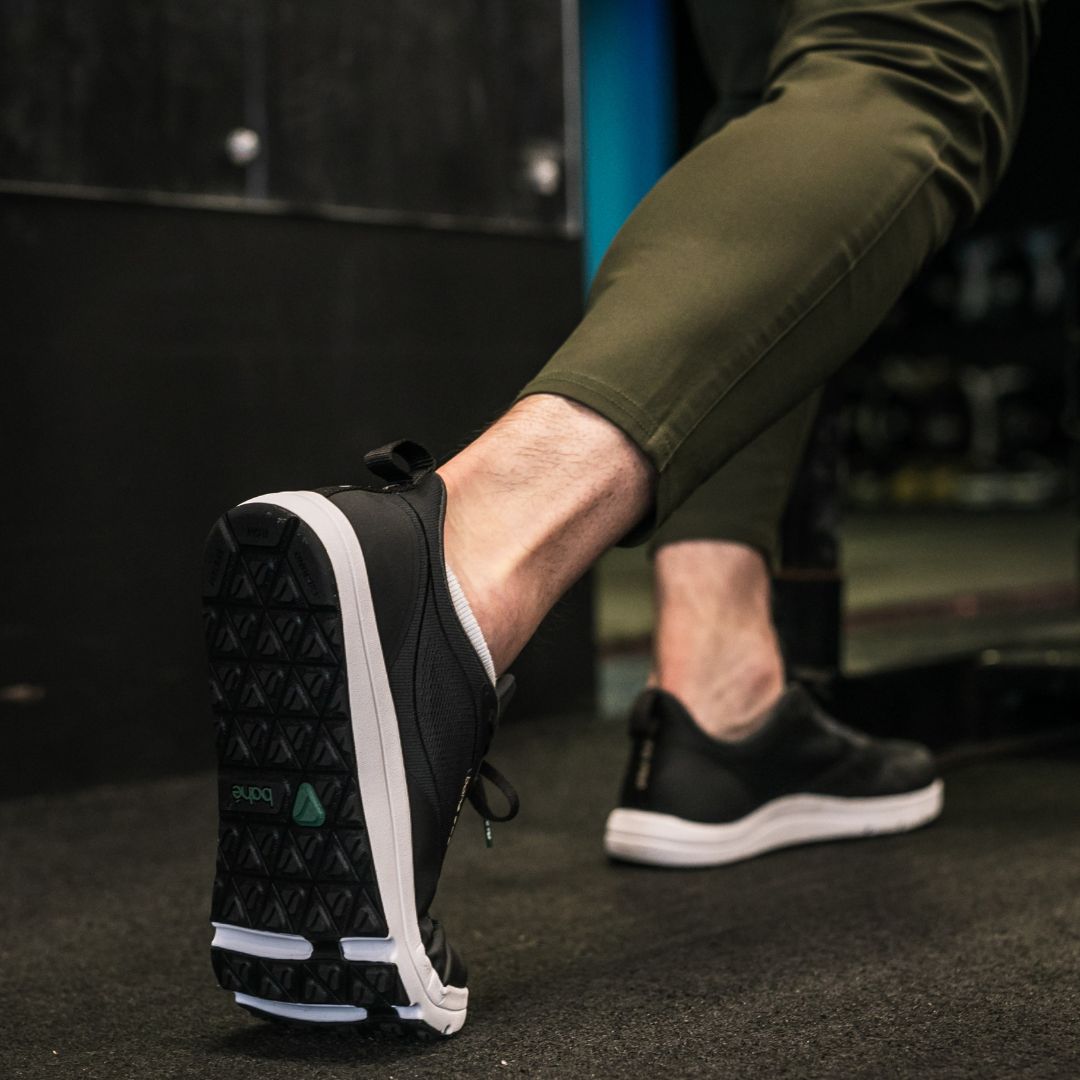
What Works Your Calves More
Zero-drop shoes give you a level platform - and your calves and Achilles take on more of their natural role. That’s part of restoring natural movement, but it also means a few things will make the transition feel noticeably more demanding at first.
The biggest drivers are:
- Time: longer wear, longer walks, bigger days on your feet
- Surface + terrain: more pavement, hills, stairs, uneven ground
- Intensity: faster walking, running, loaded training, longer efforts
A mild “worked” ache early on can be completely normal - it’s your tissues getting used to a new job. The key is not overloading your calves and Achilles too much early on.
Listen to your body and if you’re unsure, use the traffic light guide below to help you decide when to hold steady, when to progress, and when to scale back.
The Traffic Light System
As you transition to zero-drop shoes, you might notice your lower legs working harder - or you might not. A mild “worked” ache can be a normal sign your calves and Achilles are adapting. Use this guide to judge what you’re feeling and decide whether to hold steady, build gradually, or scale back.
| Traffic Light | How You're Feeling | Action Plan | |
|---|---|---|---|
| Green | Mild “worked” ache or tight calves that settle within 24–48 hours. You can walk normally and it feels better once you’ve warmed up. | Hold steady for a few sessions, then continue to increase your wear time and training gradually if recovery stays easy. | |
|
Green How You're Feeling Mild “worked” ache or tight calves that settle within 24–48 hours. You can walk normally and it feels better once you’ve warmed up. Action Plan Hold steady for a few sessions, then continue to increase your wear time and training gradually if recovery stays easy. |
|||
| Yellow | Tightness or soreness that lingers longer than usual, or starts building when you stack longer time, harder ground and higher intensity. | Make the step smaller for a few days: reduce time or intensity, choose easier ground, and repeat until recovery feels easier again. | |
|
Yellow How You're Feeling Tightness or soreness that lingers longer than usual, or starts building when you stack longer time, harder ground and higher intensity. Action Plan Make the step smaller for a few days: reduce time or intensity, choose easier ground, and repeat until recovery feels easier again. |
|||
| Red | Pain that feels sharp, keeps getting worse, or changes how you move (limping/guarding). Achilles discomfort that isn’t settling between sessions. | Pause and scale back. Stop progressing for now, reduce load (time / intensity / hard ground) and return to what feels manageable. If symptoms feel sharp, keep worsening, or change how you move, get it checked before building again. | |
|
Red How You're Feeling Pain that feels sharp, keeps getting worse, or changes how you move (limping/guarding). Achilles discomfort that isn’t settling between sessions. Action Plan Pause and scale back. Stop progressing for now, reduce load (time / intensity / hard ground) and return to what feels manageable. If symptoms feel sharp, keep worsening, or change how you move, get it checked before building again. |
|||
Upgrading Your Inputs
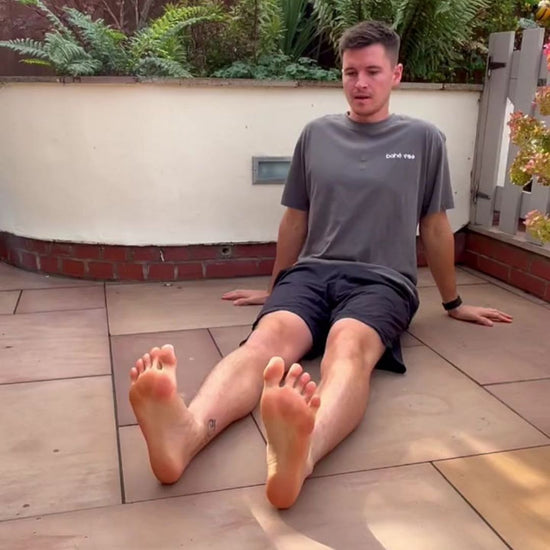
Support Work That Makes it Easier
A few simple exercises can make a big difference - especially in the early weeks. They build capacity in your calves, toes and arches so your feet and lower legs are better prepared for the new load. Done consistently, they help smooth the transition and build strength over time.
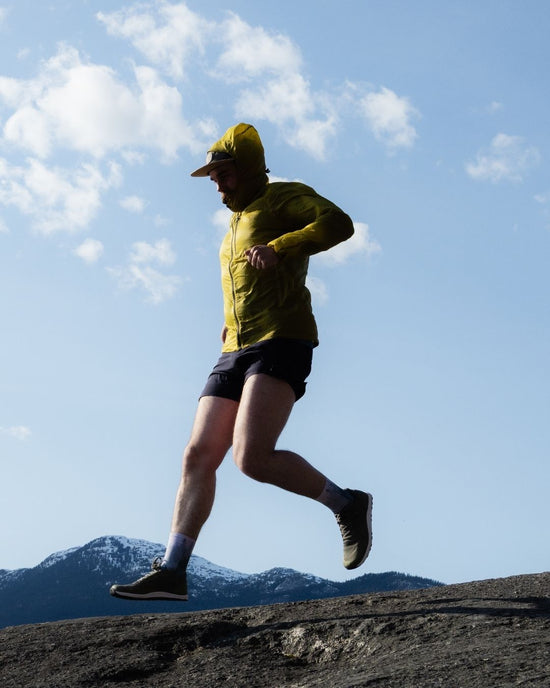
Your Three Dials: Time, Surface, Intensity
If your calves and Achilles are feeling worked, the simplest way to change that is to adjust your inputs - not to “push through”. The three biggest drivers of load are time, surface hardness, and intensity. Change any one of them and the whole experience can feel different. Use the guide below to keep the overall step manageable and build steadily.
Inputs That Make Calves and Achilles Work harder - And What To Do
As you transition to zero-drop footwear, the same exercise can feel very different depending on time, surface and intensity. This quick table shows what turns calf and Achilles load up, why it happens, and the simplest tweak to keep your barefoot shoe transition steady and repeatable.
| Dial | What Increases Load | Why It Increases Load | Try This Instead (For Now) |
|---|---|---|---|
| Wear time | All-day wear, big jumps in wear time and distance | More total reps = more total calf-Achilles work, even at easy pace | Shorter blocks you can repeat; add time gradually |
|
Wear time What Increases Load All-day wear, big jumps in wear time and distance Why It Increases Load More total reps = more total calf-Achilles work, even at easy pace Try This Instead (For Now) Shorter blocks you can repeat; add time gradually |
|||
| Surface hardness | Pavement/tarmac, concrete, long “city days” | Less give underfoot means your lower legs absorb more per step | Use softer paths more often; keep hard-ground days shorter; add an extra insole if needed |
|
Surface hardness What Increases Load Pavement/tarmac, concrete, long “city days” Why It Increases Load Less give underfoot means your lower legs absorb more per step Try This Instead (For Now) Use softer paths more often; keep hard-ground days shorter; add an extra insole if needed |
|||
| Hills and inclines | Steep climbs, lots of stairs, uneven inclines | More ankle range (more dorsiflexion) = calves/Achilles work harder to control and push off | Keep inclines gentle early on; reduce duration on hilly routes |
|
Hills and inclines What Increases Load Steep climbs, lots of stairs, uneven inclines Why It Increases Load More ankle range (more dorsiflexion) = calves/Achilles work harder to control and push off Try This Instead (For Now) Keep inclines gentle early on; reduce duration on hilly routes |
|||
| Intensity | Faster walking, carrying load, harder sessions | Higher forces and faster push-off increases demand through calves/Achilles | Keep pace easy; add intensity later in small steps |
|
Intensity What Increases Load Faster walking, carrying load, harder sessions Why It Increases Load Higher forces and faster push-off increases demand through calves/Achilles Try This Instead (For Now) Keep pace easy; add intensity later in small steps |
|||
| Running | Running early in transition, longer runs, back-to-back run days | Impact and speed ramps load quickly; form changes when tired | Build a walking base; start with short run doses (warm-ups/drills), then build gradually |
|
Running What Increases Load Running early in transition, longer runs, back-to-back run days Why It Increases Load Impact and speed ramps load quickly; form changes when tired Try This Instead (For Now) Build a walking base; start with short run doses (warm-ups/drills), then build gradually |
|||
| Running technique | Overstriding, heavy heel striking, “reaching” in front | More braking forces = calves do more deceleration and shock control | Slightly shorter steps; land closer under you; aim for a quieter landing |
|
Running technique What Increases Load Overstriding, heavy heel striking, “reaching” in front Why It Increases Load More braking forces = calves do more deceleration and shock control Try This Instead (For Now) Slightly shorter steps; land closer under you; aim for a quieter landing |
|||
| Cushioning choice | Low cushioning early on (max ground feel) | More feedback + less damping can increase demand per step while you adapt | Start where you’ll stay consistent - for most people Endurance → Adapt → Flex over time |
|
Cushioning choice What Increases Load Low cushioning early on (max ground feel) Why It Increases Load More feedback + less damping can increase demand per step while you adapt Try This Instead (For Now) Start where you’ll stay consistent - for most people Endurance → Adapt → Flex over time |
|||
Tools For A Smoother Transition
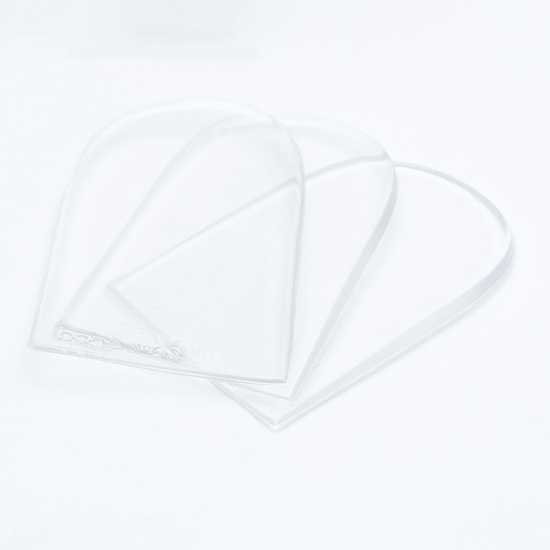
Heel Lifts: Ease Into Zero-drop
If you’re coming from raised-heel shoes, the biggest shift is the heel-to-toe drop. On a zero-drop platform, calves and Achilles can feel more switched on at first. Heel lifts soften that change - a simple bridge that helps you stay consistent, then taper down as you settle in.
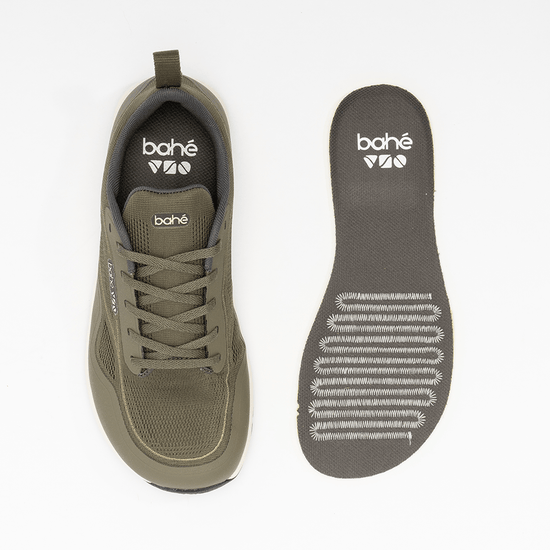
Additional Insoles: A More Cushioned Starting Point
If you are new to barefoot-style shoes, or simply want a little more underfoot comfort, additional insoles can make the experience feel more forgiving. They are a simple way to ease into the transition, support longer sessions, and build up gradually over time.
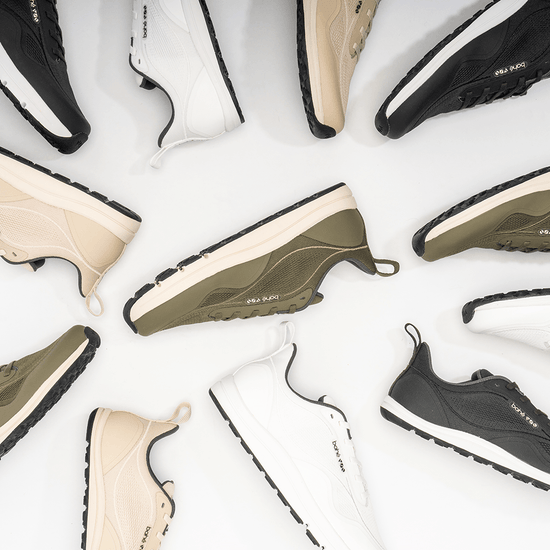
Modes: Choose Your Right Sole Cushioning Level
Cushioning can make the zero-drop switch easier - especially on hard ground, longer days, or higher training volume. That’s why we created Bahé Modes: three cushioning levels on the same foot-shaped, zero-drop base, so you can start where you’re at and progress over time. For most people it’s Endurance -> Adapt -> Flex, but this can vary by activity or goals.
Barefoot Transition FAQs
Often it’s not “hurt” - it’s new load. In foot-shaped, zero-drop shoes your calves and Achilles can feel more switched on as they start doing more of their natural job again. If the change in time, surface hardness, or intensity is big, you’ll notice it sooner. Build steadily and it usually settles as capacity improves.
It varies. In the early weeks, many people notice a mild “worked” ache that settles within 24–48 hours - that’s a good sign you’re recovering well enough to repeat and build. In terms of the bigger picture, calves can feel more “switched on” on and off across the first few weeks (sometimes longer) as you increase time, harder ground, and intensity. The smoother route is giving yourself time to recover and not pushing the too hard early on. If soreness starts lingering longer, building week to week, or getting sharper, scale the change back and give yourself more time to adapt.
Not automatically. It usually means the overall step is bigger than your body is ready for right now. Hold steady, repeat what you recover well from, and build in smaller steps. Progression beats purity.
Both can help, but strengthening tends to move the needle most for long-term tolerance. A simple, effective combo is slow straight-knee calf raises (upper calf) plus bent-knee calf raises (soleus/lower calf), alongside a short toe control drill. Stretching can feel good - just don’t use it as a substitute for building capacity.
Treat it as a signal to slow the change down. Reduce wear time, keep surfaces easier, and avoid stacking increases (hard ground + longer time + higher intensity). If it feels sharp, keeps getting worse, or isn’t settling between sessions, scale back significantly and consider professional advice so you can build back with confidence.
Yes. Cushioning can make the switch easier to repeat, especially on hard ground, longer days, or higher training volume. That’s why we created Bahé Modes - three cushioning levels on the same foot-shaped, zero-drop base. For most people, progression tends to be Endurance -> Adapt -> Flex, but it can vary by activity or goals. for example, if you want maximum ground feel, start with Flex, but build more slowly.
A little “worked” feeling can be normal - that's your body adapting, but if discomfort feels sharp, keeps building session to session, or isn’t settling between days, it’s a sign the extra load is a bit much right now. Scale back for a few days (shorter time, easier ground, lower intensity) and let things calm down - it’s usually faster long term than pushing on. If you’re unsure what you’re feeling, getting advice early can save a lot of guesswork and help you rebuild with confidence.
Usually, no. Most people do better reducing the dose: shorter blocks, easier ground, and rotating with their usual shoes for longer sessions while they adapt. If things are settling well, build gradually. If they aren’t, hold steady or scale back for a few days, then try again.