UK Based: Duty-free Delivery
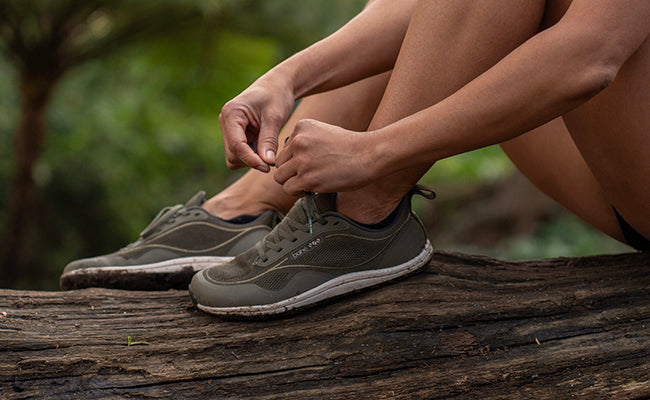


Barefoot Shoe Transition Plan (0–12 weeks)
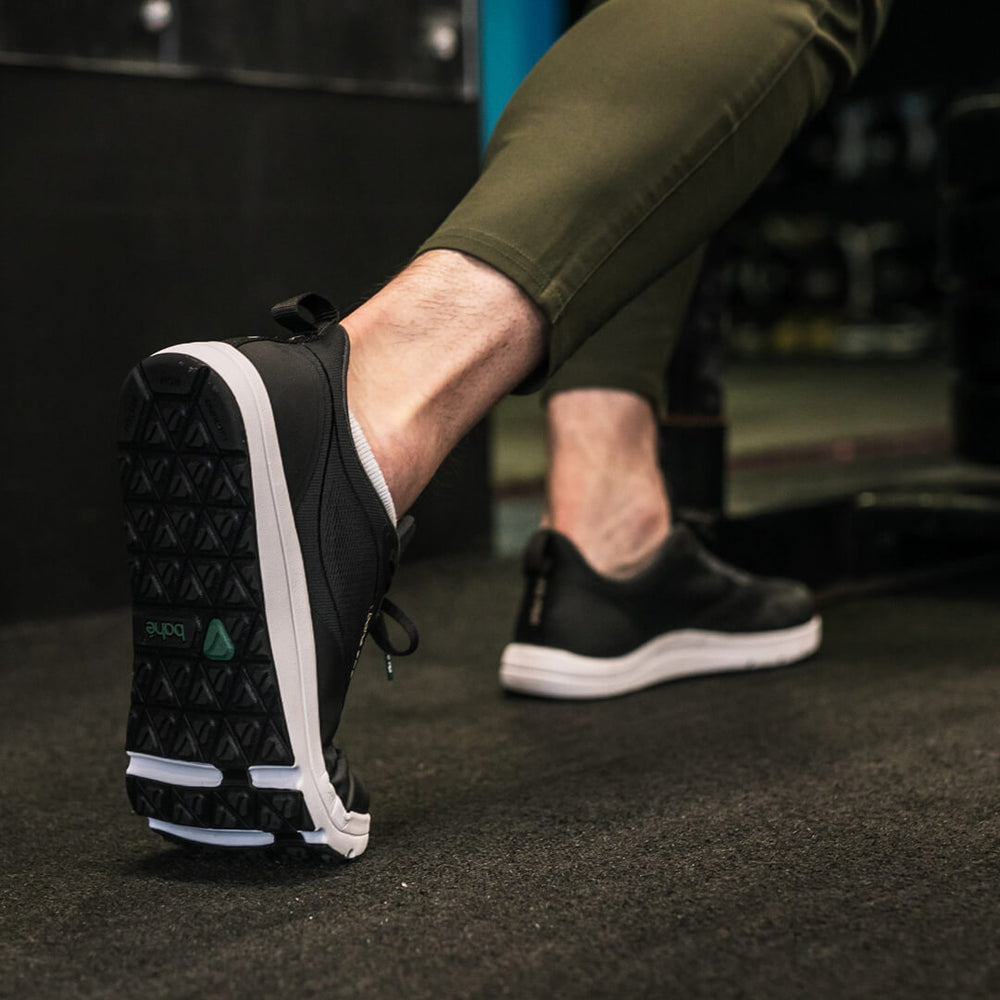
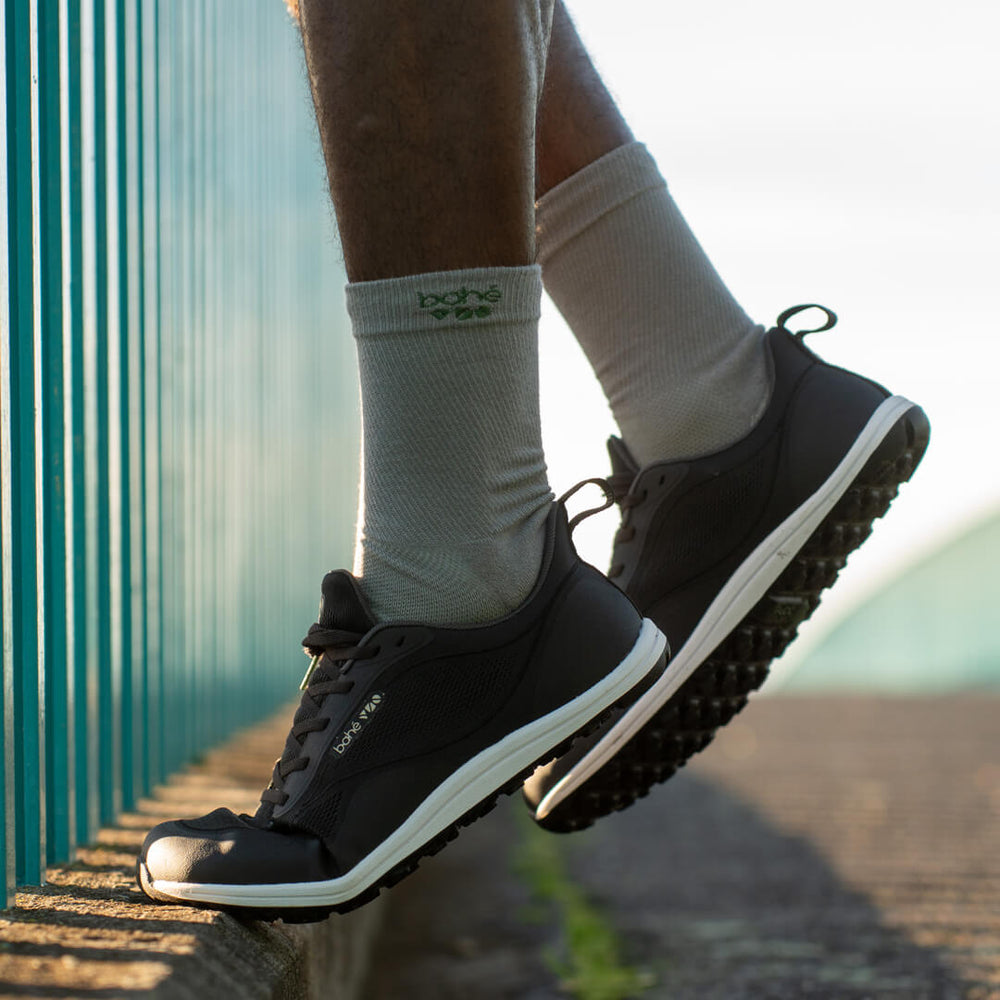
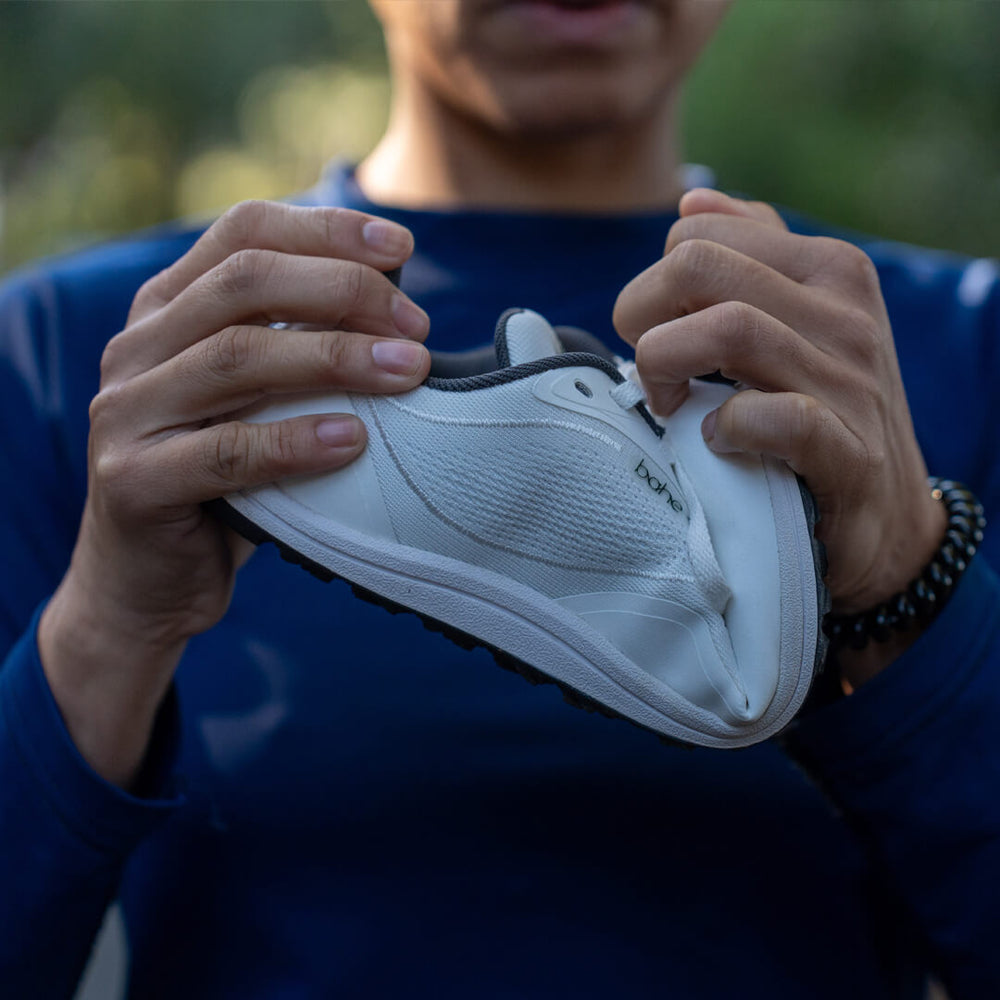
Most people can make barefoot-style their everyday normal - the key is building it steadily. Bahé shoes are designed around how feet actually work: foot-shaped for toe room, zero-drop for a level platform, and built to help your feet reconnect with the ground so you can reclaim your natural movement.
This page is your on-ramp: a simple 0–12 week plan and practical tips to help you ease in, stay consistent, and progress at your own pace.
Watch The Video
Our Head Physio, Lauren walks you through the plan step by step - what to focus on each phase, how to spot when you’re ready to progress, and how to self-adjust using the traffic light rule so the transition stays smooth and sustainable.

0-12 Week Transition Plan
This plan is most relevant if you’re starting in Flex (and to a lesser extent Adapt). If you’re in Endurance, you may be able to progress faster thanks to extra cushioning - but the same principle applies: increase the overall load gradually. That load comes from time, surface hardness, and intensity - if you push two up at once, ease one back. All Bahé shoes are zero drop, so calves and Achilles may feel the shift if you increase time, surface hardness, or intensity too quickly. This plan focuses on daily wear and walking first - running and hard training need a slower ramp (warm-ups and short doses to start with).
| Week | Wear Time + Days | Action Plan | If It's Too Much |
|---|---|---|---|
| Week 1 | 20–45 mins - 4–6 days | Easy walking only. Choose flatter, softer ground where possible. Keep wearing your previous shoes for longer, more intense activities. | Reduce time or choose an easier surface. |
|
Week 1 20–45 mins - 4–6 days Action Plan Easy walking only. Choose flatter, softer ground where possible. Keep wearing your previous shoes for longer, more intense activities. If It's Too Much Reduce time or choose an easier surface. |
|||
| Week 2-3 | 1–2 hours - 5–6 days | Walking focus. Add gentle inclines if calves feel good. “10% left” = finish feeling like you could do a bit more, not drained. | Drop inclines or shorten time (pick one). |
|
Week 2-3 1–2 hours - 5–6 days Action Plan Walking focus. Add gentle inclines if calves feel good. “10% left” = finish feeling like you could do a bit more, not drained. If It's Too Much Drop inclines or shorten time (pick one). |
|||
| Weeks 4–6 | 2–4 hours - most days | If you’ve already been on hard ground (pavements), start building duration or intensity - not both. If you haven’t, introduce hard ground in short doses first. Keep 1–2 easier days so your body can catch up. | Reduce time or choose an easier surface. |
|
Weeks 4–6 2–4 hours - most days Action Plan If you’ve already been on hard ground (pavements), start building duration or intensity - not both. If you haven’t, introduce hard ground in short doses first. Keep 1–2 easier days so your body can catch up. If It's Too Much Reduce time or choose an easier surface. |
|||
| Weeks 7–12 | Daily default as tolerated | Your barefoot shoes should become your daily go-to. However, training takes more adaptation. Start with warm-ups/drills/part sessions, then build gradually. | Keep increases small and don't rush things. |
|
Weeks 7–12 Daily default as tolerated Action Plan Your barefoot shoes should become your daily go-to. However, training takes more adaptation. Start with warm-ups/drills/part sessions, then build gradually. If It's Too Much Keep increases small and don't rush things. |
|||
Your Three Dials
Change your transition in small steps - time, surface and intensity all affect the load. If you turn one up, keep the others steady. If two go up, bring the other one down.

Time
How long you're moving while barefoot or in barefoot shoes

Surface / Cushioning
The surfaces hardness you're on and shoe cushioning level

Intensity
How you're moving, from easy walks to longer / quicker runs
Progression Beats Purity
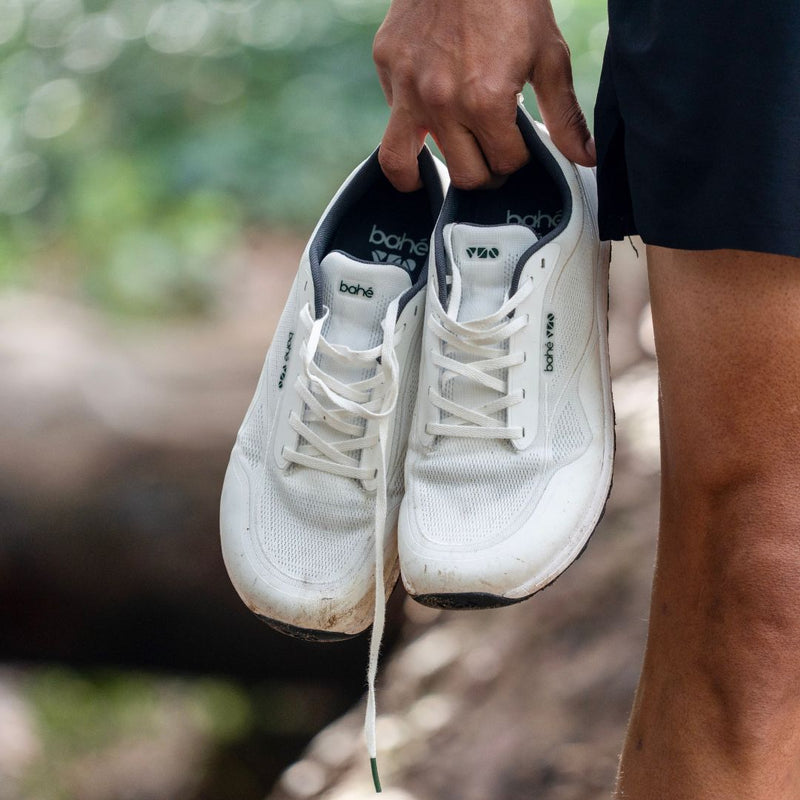
Switching to barefoot-style shoes can feel like reawakening parts of your body that have been underused for years - toes that finally get space, feet that start doing more of their own work, and movement that feels more connected to the ground.
This plan works because your body adapts to small, repeatable signals. In foot-shaped, zero-drop shoes you’ll often notice more work through the feet and lower legs at first - especially on harder ground or longer days. The goal isn’t to push through. It’s to build capacity without breaking your rhythm.
Progress isn’t linear - repeating weeks is normal. Stay steady, let recovery guide the next step, and you’ll get further in the long run.
The Traffic Light System
A simple guide to self-adjust without guesswork. Listen to your body, and let recovery guide your next step.
| Traffic Light | How You're Feeling | Action Plan | |
|---|---|---|---|
| Green | Mild soreness that settles by next day. | Stick to the plan, your muscles and tendons are adapting, that's the goal! | |
|
Green How You're Feeling Mild soreness that settles by next day. Action Plan Stick to the plan, your muscles and tendons are adapting, that's the goal! |
|||
| Yellow | Lingering tightness / hotspots / sleep disrupted. | Your body is adapting, that's good, but you're pushing a little hard. Reduce the load by 20-30% (time / surface / intensity). | |
|
Yellow How You're Feeling Lingering tightness / hotspots / sleep disrupted. Action Plan Your body is adapting, that's good, but you're pushing a little hard. Reduce the load by 20-30% (time / surface / intensity). |
|||
| Red | Sharp, catching, or escalating pain. | Take a break and allow your body to fully recover before rebuilding gradually. Consider seeking individual guidance. | |
|
Red How You're Feeling Sharp, catching, or escalating pain. Action Plan Take a break and allow your body to fully recover before rebuilding gradually. Consider seeking individual guidance. |
|||
Ease The Transition
If you want your transition to feel smoother, we’ve got a couple of simple tools you can use alongside time, surface and intensity.
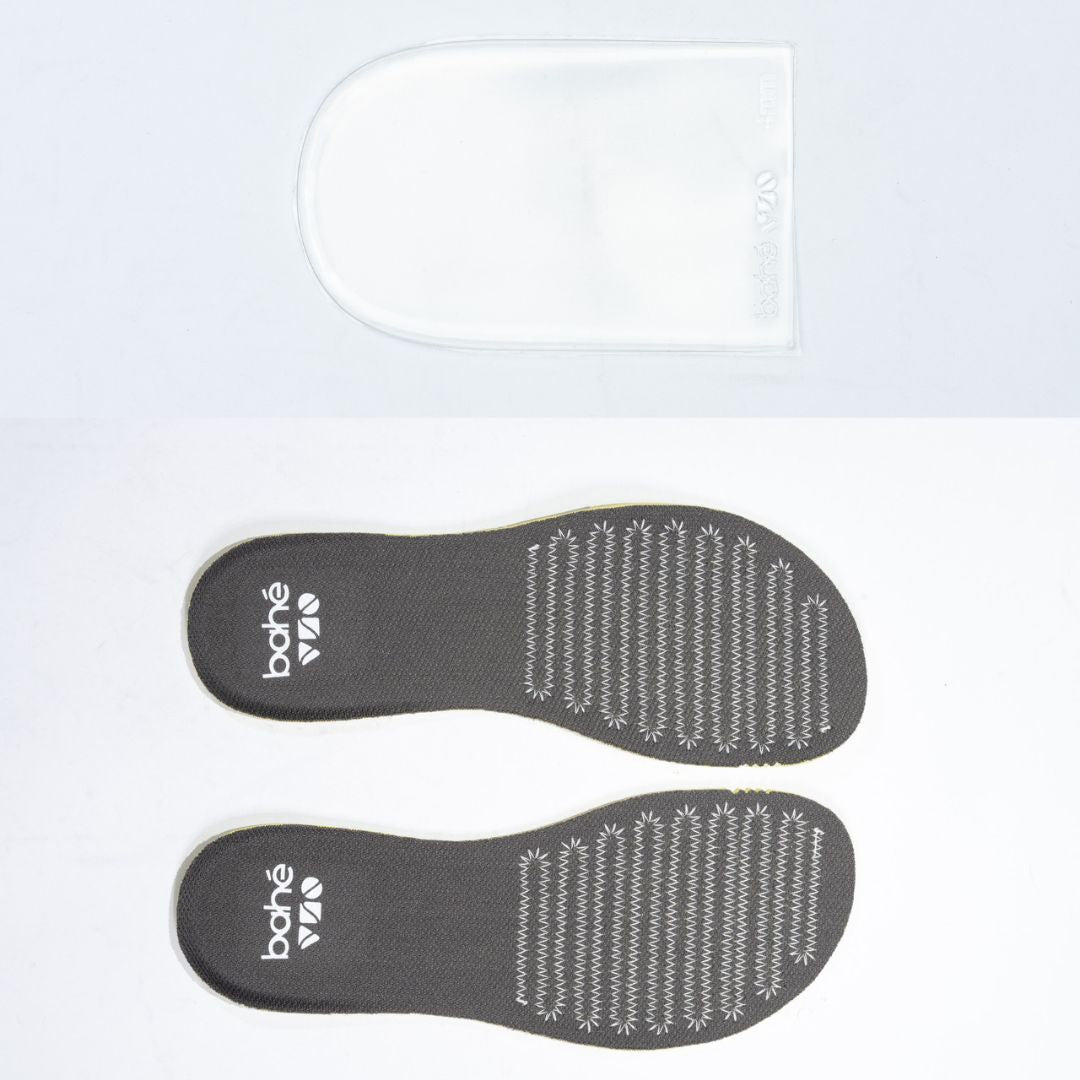
Heel lifts are a zero-drop transition dial. They add a small amount of height under the heel, which can make the switch feel less abrupt for some people - especially if calves or Achilles feel the change early on.
Extra insoles are mainly a fit-and-feel dial. They can add a touch more underfoot cushioning, and slightly reduce ground feel - useful on harder ground or longer days.
Find Your Starting Point With Bahé Modes
Your first barefoot-style shoes don’t need to be your forever shoes. The goal is to pick a set-up that suits your starting point and the way you’ll actually use them - so you can stay consistent and build from there.
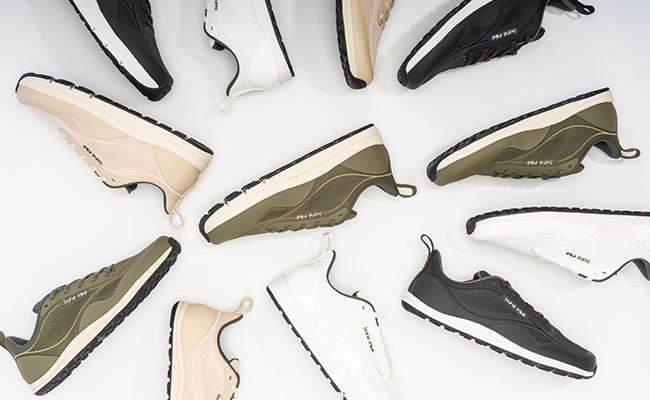
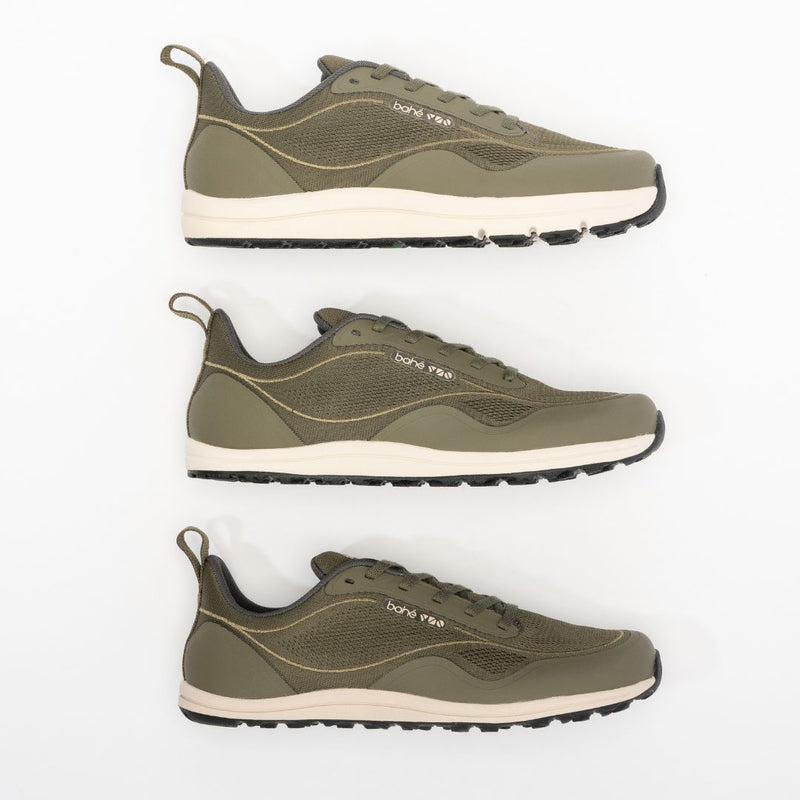
That’s why we created Bahé Modes: three cushioning levels on the same foot-shaped, zero-drop platform. They mainly change ground feel vs cushioning underfoot, which can make a big difference to how your transition feels day to day.
There isn’t one “right” Mode - just the one that fits your life right now. For most people, progression tends to be Endurance -> Adapt -> Flex over time. Some people prefer less cushioning from the start to tune into technique - but they’ll usually keep the rest of their inputs lighter (shorter time, easier sessions) while they adapt.
Troubleshooting
If something feels off, don’t panic - use these quick checks to spot the likely cause and make one small adjustment before your next session.
| What You're Noticing | What It Usually Is | What To Do Next | |
|---|---|---|---|
| Calves tight / sore | Early adaptation - especially after longer days, harder ground, or faster walking. | If it’s yellow (on the traffic light system), reduce time or intensity by ~20–30% for a few sessions, then rebuild. | |
|
Calves tight / sore What It Usually Is Early adaptation - especially after longer days, harder ground, or faster walking. What To Do Next If it’s yellow (on the traffic light system), reduce time or intensity by ~20–30% for a few sessions, then rebuild. |
|||
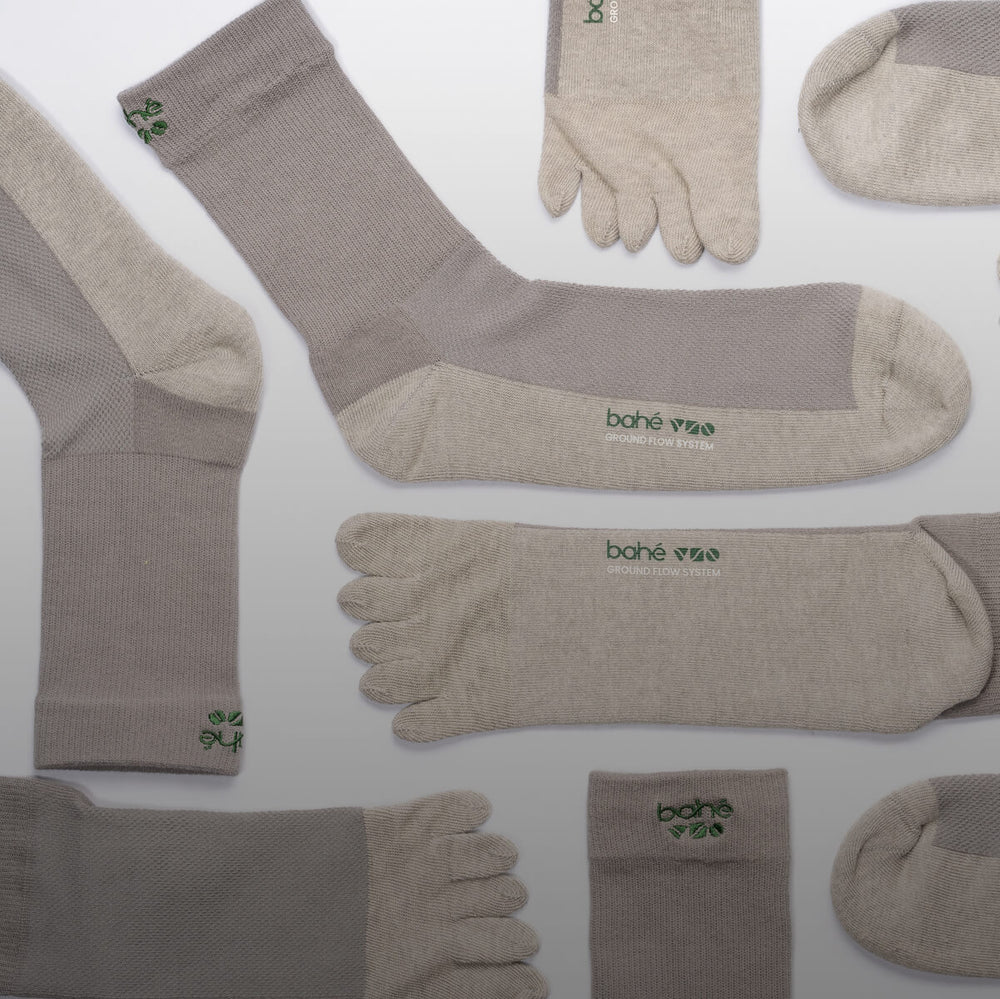
| Hotspots or rubbing | Often fit, socks, or lacing - not something to “push through”. | Fix it early: ensure socks aren't bunching up (toe socks are a great solution), adjust lacing, consider an extra insole for a snugger hold. | |
|
Hotspots or rubbing What It Usually Is Often fit, socks, or lacing - not something to “push through”. What To Do Next Fix it early: ensure socks aren't bunching up (toe socks are a great solution), adjust lacing, consider an extra insole for a snugger hold. |
|||
| Top-of-foot pressure | Lacing/instep pressure (often shows up early, especially on longer wears). | Loosen the midfoot laces, re-lace to reduce pressure points. | |
|
Top-of-foot pressure What It Usually Is Lacing/instep pressure (often shows up early, especially on longer wears). What To Do Next Loosen the midfoot laces, re-lace to reduce pressure points. |
|||
| Heel slip | A fit/volume or lacing issue (common when toe room is right but the heel isn’t locked in). | Use the top eyelets and try a runner’s loop fastening, or add an extra insole to reduce internal volume. | |
|
Heel slip What It Usually Is A fit/volume or lacing issue (common when toe room is right but the heel isn’t locked in). What To Do Next Use the top eyelets and try a runner’s loop fastening, or add an extra insole to reduce internal volume. |
|||
| Feeling discomfort on one side | Asymmetry, caused by your exercise route or due to one side adapting slightly slower to the new demands. | Step back for a week: keep it symmetrical (i.e. a route that places even demand on both sides) and simple (easy pace, not too long), then build again. | |
|
Feeling discomfort on one side What It Usually Is Asymmetry, caused by your exercise route or due to one side adapting slightly slower to the new demands. What To Do Next Step back for a week: keep it symmetrical (i.e. a route that places even demand on both sides) and simple (easy pace, not too long), then build again. |
|||
| Sharp pain, a sudden “twinge”, or pain that’s getting worse each time | Not a “push through” signal. | Pause and give yourself plenty of time to recover. Slowly re-build activity, potentially with extra cushioning (e.g. an extra insole or a different Mode). Consider getting individual guidance. | |
|
Sharp pain, a sudden “twinge”, or pain that’s getting worse each time What It Usually Is Not a “push through” signal. What To Do Next Pause and give yourself plenty of time to recover. Slowly re-build activity, potentially with extra cushioning (e.g. an extra insole or a different Mode). Consider getting individual guidance. |
|||


Barefoot Transition FAQs
It varies - and the biggest factor is how steadily you build. A sustainable transition comes from not rushing, listening to your body, and making changes in small steps you can repeat. Our 0–12 week plan gives you a simple structure to reduce the “too much, too soon” trap, but it’s always OK to slow down or repeat weeks.
It depends on your starting point, what you’re coming from, and what your days look like. If you start in a more cushioned Mode like Endurance, some people can wear them for longer sooner - especially for walking and standing. If you’re on hard ground all day, doing long days, or you’re used to raised-heel shoes, building up in shorter blocks often feels smoother and more sustainable.
They can feel different at first, especially through the calves and feet - often more like an “awareness” or a mild ache than sharp pain. Ideally, it should settle within a day or two. If it’s building each session, it usually means the jump in time, surface hardness, or intensity is a bit bigger than your body’s ready for right now.
A level, zero-drop platform asks your ankles and lower legs to share load differently - and for many people that’s part of the point. Over time, this can help build lower-leg capacity and more stable, efficient movement. Early on, calves can feel overworked if you change too much too fast (especially with long days, hills, speed, or lots of hard ground) - a steadier build usually solves it.
Treat it as feedback, you're using these tissue in a way they may not be used to. If soreness is mild and settles within 24–48 hours, hold steady and repeat. If it lingers or builds session to session, reduce time and intensity for a week, keep surfaces easier, and build back gradually.
Walking first is the simplest way to control the transition and build a base. Running adds load quickly and technique matters more - shorter stride, landing closer under the body, and avoiding heavy heel striking. Most people do best building steady walking first, then adding short, easy run doses later (warm-ups, drills, or part sessions) and scaling up gradually.
Step back kindly and make the next step smaller. Reduce time, return to the last level that felt fine, and rebuild gradually from there. You’re not starting over - you’re just giving your body the chance to catch up and adapt.
Yes. Modes mainly change ground feel vs cushioning underfoot, which can make a big difference to how the transition feels day to day. For most people, progression tends to be Endurance -> Adapt -> Flex over time (it varies by activity and volume). More cushioning can help on harder ground, longer days, or higher-volume weeks, while less cushioning can suit shorter, technique-focused sessions - the “right” starting point is the one you can wear consistently.