UK Based: Duty-free Delivery


Common Barefoot Shoe Transition Mistakes
(And How To Fix Them)
Most “transition problems” are usually just a sign the change was bigger or quicker than your body was ready for - not a sign barefoot-style footwear isn’t for you. This page breaks down the most common patterns (and the simple reset for each) so your transition feels smoother, steadier, and easier to stick with.
Three Rules For A Smarter Transition

Progress Gradually
Don't rush, keep load manageable (Time, surface hardness and intensity). Keep steps small and recover well, it's not a race.

Sole Cushioning Level
Don't go too minimal too soon unless you're willing to scale back on your activity. Select a cushioning level you'll actually wear, and progress gradually.
Support The Switch
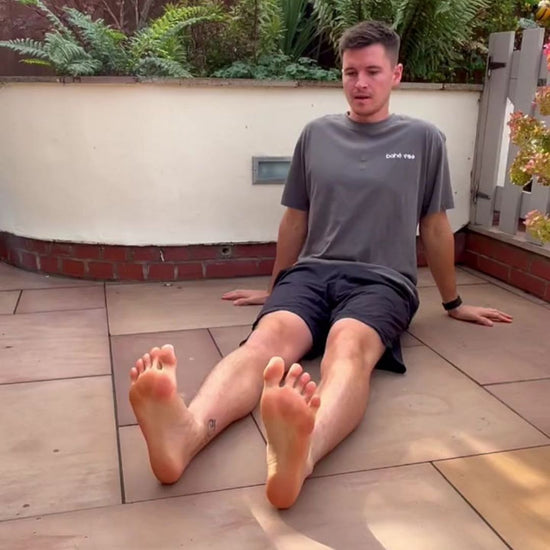
A few minutes of transition exercises helps. If you want to stay active while you adapt, use tools such as heel lifts, and extra insoles to ease the change.

The Four Main Mistakes
Barefoot-style shoes can feel amazing - but most early bumps come down to a few predictable patterns. The good news: they’re solvable. Bahé is built to make the switch easier (with Modes, heel lifts and modular fit), and the links below give you the simplest next step depending on what you’re feeling.
1. Going Too Minimal Too Soon
1. Going Too Minimal Too Soon
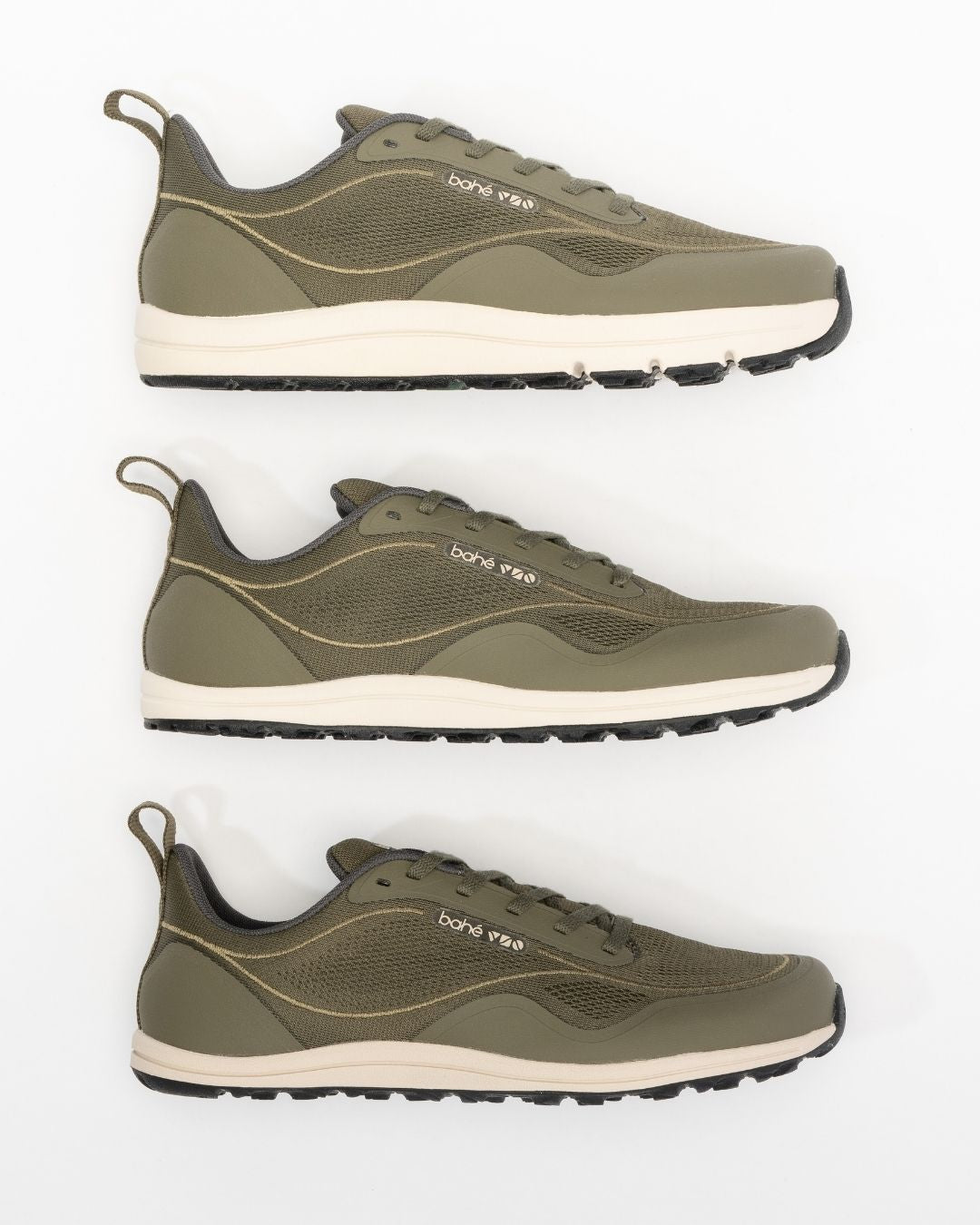
What it is: You drop from cushioned shoes to very thin-sole barefoot shoes, and it can feel like too much, too fast.
Why does it feel like “too much”?
Less cushioning means more ground feel and more demand on feet and lower legs - which is great later, but not always the easiest entry point.
What should I do instead?
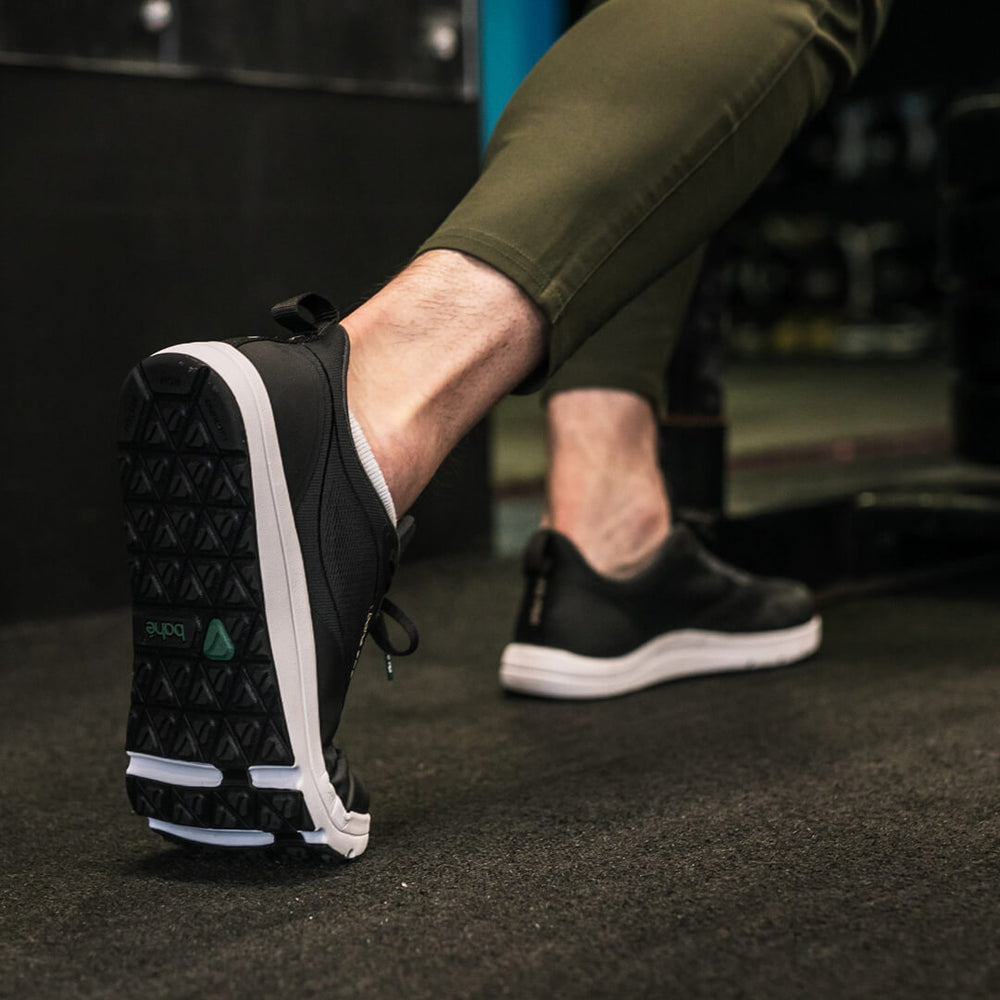
Start with a cushioning level you’ll actually wear for your real week. That’s exactly why we created Bahé Modes: for most people the progression is, Endurance -> Adapt -> Flex over time. If you want to start in Flex for technique and feedback, keep the rest of your inputs lighter (shorter time, easier sessions) while you adapt.
2. Avoiding Transition Exercises (The Simple Support)
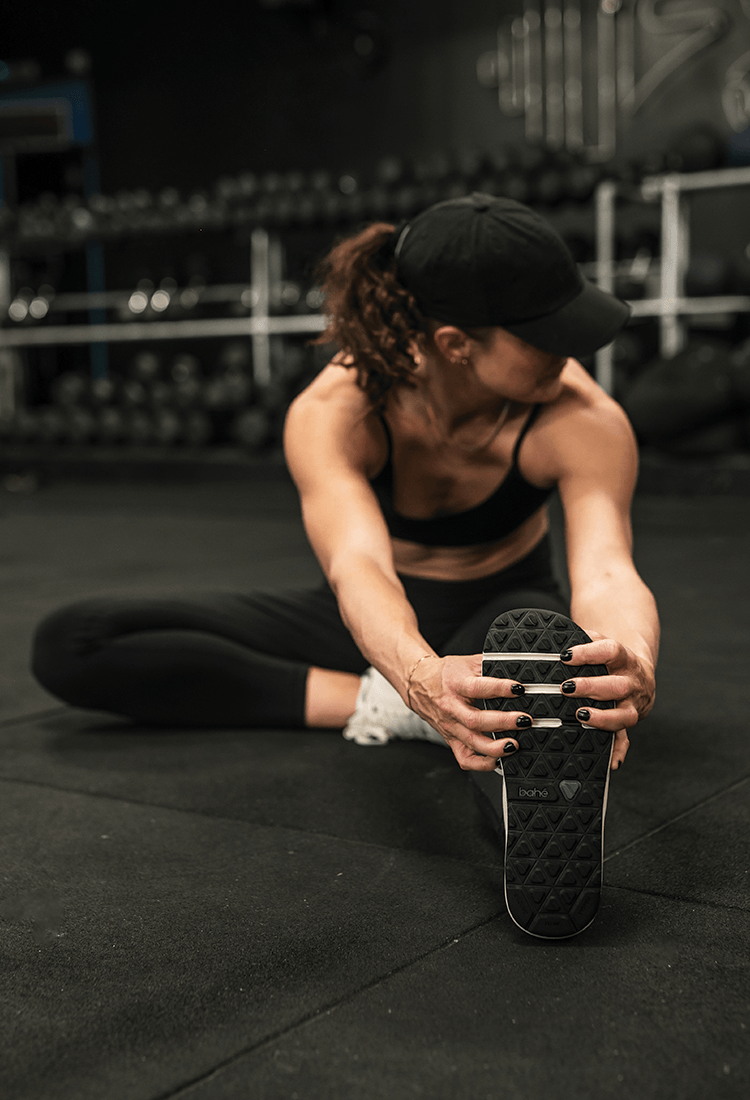
2. Avoiding Transition Exercises (The Simple Support)
What it is: You’ve switched to barefoot-style shoes - but your feet and lower legs haven’t had much time (or training) to build up to the new demand yet.
Why does it happen?
If you’ve spent years in more structured, raised-heel shoes, parts of the foot and lower leg may not be used to doing as much work. Foot-shaped, zero-drop shoes invite that natural function back - and a few consistent exercises help build capacity so the transition feels smoother.
What should I do instead?
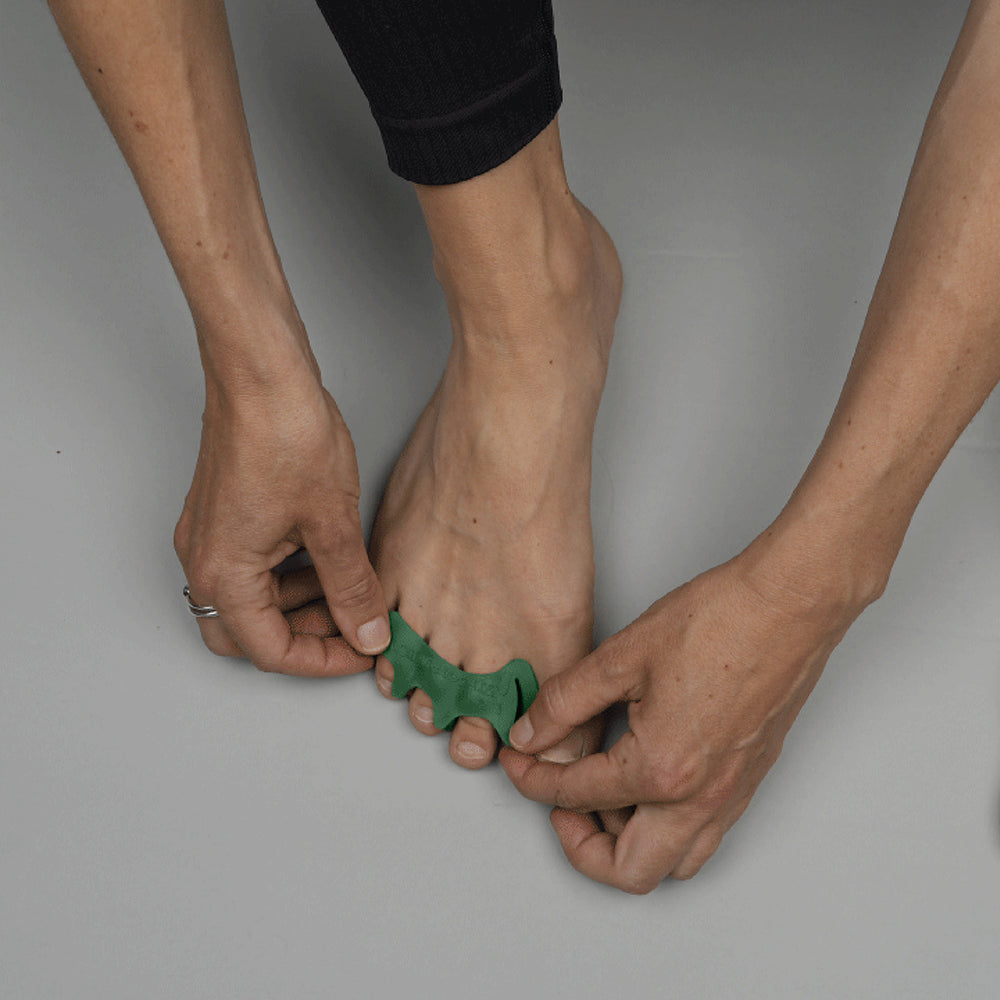
Add the short transition routine alongside your wear plan. It’s quick, easy to repeat, and designed to support calves, toes and arches as you build time in the shoes - so everyday movement starts to feel easier.
3. Too Much Too Soon (Keep Training The Same)
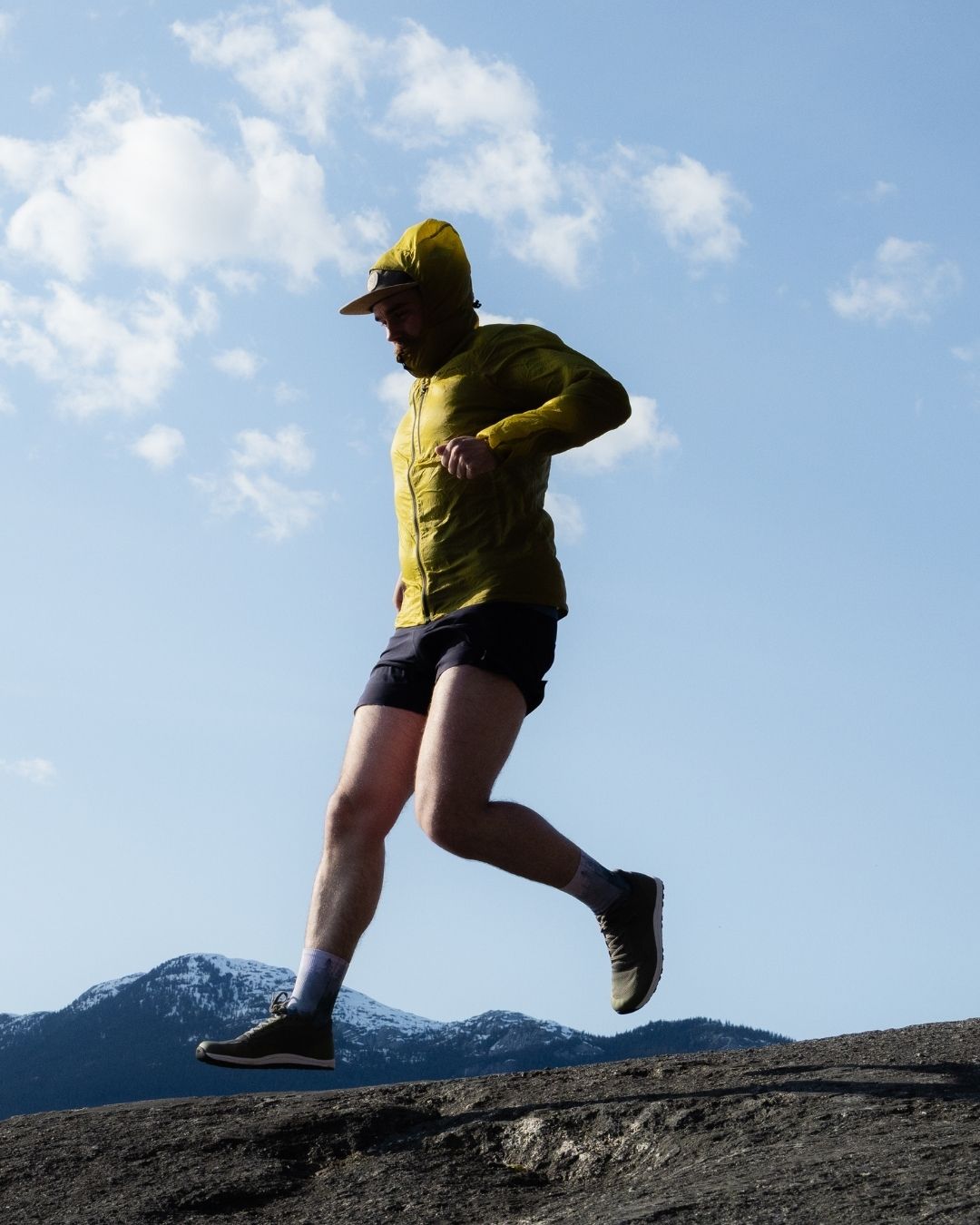
3. Too Much Too Soon (Keep Training The Same)
What it is: You switch shoes but keep the same training volume - and your calves/Achilles feel like they’re working harder than usual.
Why does it happen?
Zero-drop footwear supports a more natural posture and foot function, but if you’re used to raised-heel shoes it can place more load on your feet, calves and Achilles at first - especially if you ramp time, surface hardness or intensity too quickly.
What should I do instead?
Make the change smaller for a week: reduce time, choose easier ground, or lower intensity - then rebuild gradually. If you want a gentler bridge while staying active, heel lifts can help some people ease into the drop change. If you want a steadier underfoot feel, an extra insole is a simple way to add a little cushioning while you adapt.
4. Running Too Soon (Or Running With Old Technique)
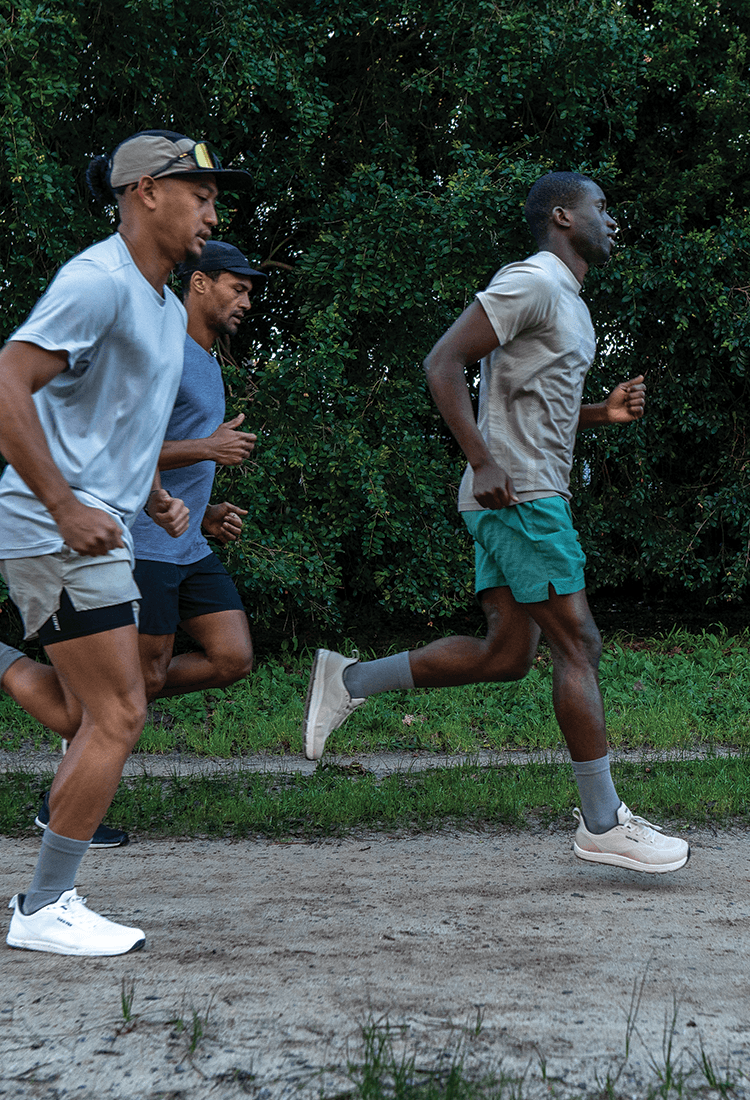
4. Running Too Soon (Or Running With Old Technique)
What it is: Walking feels fine - but running quickly feels heavy through calves, Achilles or feet.
Why does it happen?
Running multiplies load, and technique matters more. Overstriding and heavy heel striking tend to amplify calf/Achilles demand.
What should I do instead?
Build a walking base first, then introduce running as warm-ups, drills, or short doses. Keep steps a touch shorter, stay tall, and land closer under your body (avoid overstriding). Start with short distances, give your body time to recover, and build gradually.
Other Common Mistakes + What To Do
| Mistake | What You'll Notice | Do This Instead | |
|---|---|---|---|
| Skipping easier days | Soreness builds across the week. | Regardless of your activity, add in lighter days, or wear a more cushioned pair while you adapt. | |
|
Skipping easier days What You'll Notice Soreness builds across the week. Do This Instead Regardless of your activity, add in lighter days, or wear a more cushioned pair while you adapt. |
|||
| Hard ground too early | Walking on pavements feels especially demanding. | Treat hard ground as a “higher load” - reduce duration and pace. Add an extra insole to add a little cushioning. | |
|
Hard ground too early What You'll Notice Walking on pavements feels especially demanding. Do This Instead Treat hard ground as a “higher load” - reduce duration and pace. Add an extra insole to add a little cushioning. |
|||
| Expecting linear progress | You feel behind if you struggle more than the previous week. | Remember, progression beats purity. Sometimes doing less than the previous week is a good thing. Allow your body to recover and adapt and you'll transition more sustainably in the long run. | |
|
Expecting linear progress What You'll Notice You feel behind if you struggle more than the previous week. Do This Instead Remember, progression beats purity. Sometimes doing less than the previous week is a good thing. Allow your body to recover and adapt and you'll transition more sustainably in the long run. |
|||
| Ignoring signals / Powering through | Recovery gets slower, tightness lingers. | Barefoot-style shoes invite more natural work from feet and lower legs. If recovery is slowing, hold steady or step back for a few days. | |
|
Ignoring signals / Powering through What You'll Notice Recovery gets slower, tightness lingers. Do This Instead Barefoot-style shoes invite more natural work from feet and lower legs. If recovery is slowing, hold steady or step back for a few days. |
|||
| Purity thinking | You're too focus on wearing the most minimal shoe at all times. | Different shoes (with varying cushioning levels) for different activities, or depending on how your body feels is smart. | |
|
Purity thinking What You'll Notice You're too focus on wearing the most minimal shoe at all times. Do This Instead Different shoes (with varying cushioning levels) for different activities, or depending on how your body feels is smart. |
|||
Reset Protocol
Beyond the specific advice, you have three main options to ensure your progress is steady and sustainable.

Your Three Dials
By adjuting exercise time, surface hardness and intensity, you have control over tghe load your body is handling.

Recovery
Recovery is where adaptation sticks. Listen to your body and give it time to recover when needed.

Use Transition Tools
The goal isn't thinner soles, it's more capable feet. Cushioning is a smarter choice at times and heel lifts also ease load.
Transition Smarter


Barefoot Transition FAQs
A little “worked” feeling can be normal - that's your body adapting, but if discomfort feels sharp, keeps building session to session, or isn’t settling between days, it’s a sign the extra load is a bit much right now. Scale back for a few days (shorter time, easier ground, lower intensity) and let things calm down - it’s usually faster long term than pushing on. If you’re unsure what you’re feeling, getting advice early can save a lot of guesswork and help you rebuild with confidence.
If you're feeling more "worked" it’s because your feet and lower legs are doing more of their own work again. Foot-shaped, zero-drop shoes can feel more demanding at first, especially on harder ground or longer days. The fix is usually simple: make the overall change smaller, repeat it, then build.
This is the most common think people do when switching to barefoot-style shoes. The best plan is to step back to the last level that felt fine and rebuild from there. For a few days, reduce wear time, keep surfaces easier, and keep training intensity steady. Once recovery feels easy again, progress in small steps.
Yes. Bahé Modes let you choose how much ground feel vs cushioning you want underfoot, so you can stay consistent while you adapt. For most people, Endurance is the easiest entry, Adapt is the middle ground, and Flex is often later (Endurance -> Adapt -> Flex) - but you can also choose different Modes for different activities and exercise intensities.
Walking is a great place to start because it gives you time to feel what’s happening within your barefoot shoes - toe room, full-foot contact, and a bit more natural range through the ankle. Stay tall, keep steps a touch shorter, and aim to land with your foot closer under you (not reaching out in front). Most people find this starts to click naturally as they spend more time in the shoes.
Running needs a more conscious ramp-up because impact and distance add load fast. Keep it simple: shorten your stride slightly aiming to land under your body, keep a light, quiet landing, and aim for a stable “tripod” contact (heel, big toe, little toe) rather than heel striking. Start with very distances, and only increase when recovery feels easy.
They’re not mandatory, but they help. A short routine a few times a week can build capacity in calves, toes and arches so the transition feels smoother and more comfortable.
They can be. Heel lifts are a useful bridge if the drop change is the main thing you’re feeling, which is often the case with zero-drop shoes which work the calves and Achilles more. Extra insoles add a little more cushioning which can be helpful as you adapt. Use them as tools to stay consistent - then taper back as your body settles.
Absolutely. The end goal isn't just 'less shoe' it's a more capable body. Many people use more cushioning for higher-volume weeks or harder surfaces, and more ground feel when they want that input. The best set-up is the one that keeps you moving consistently.