Barefoot Shoe Guide

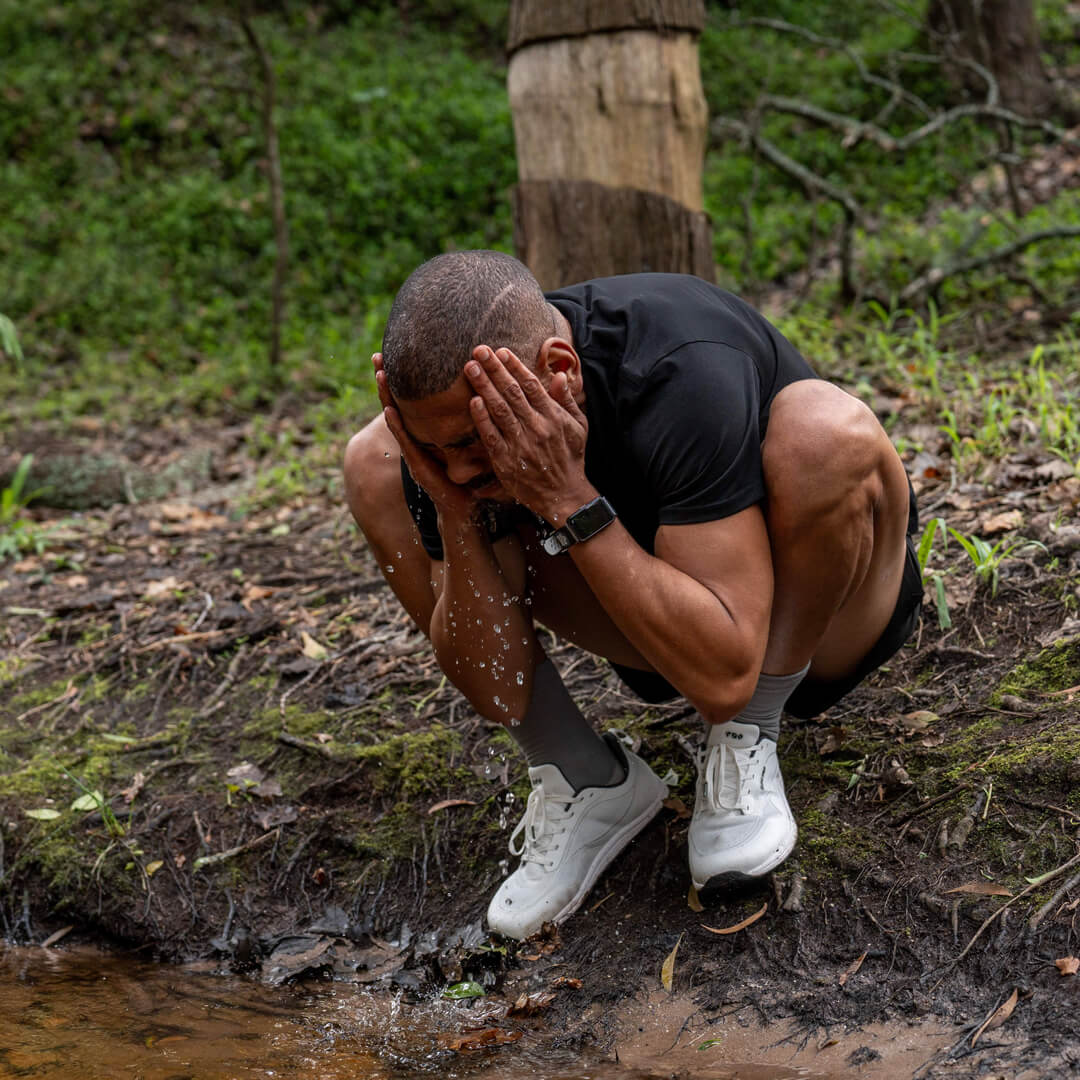
Three sole cushioning levels - to suit your experience level and activity

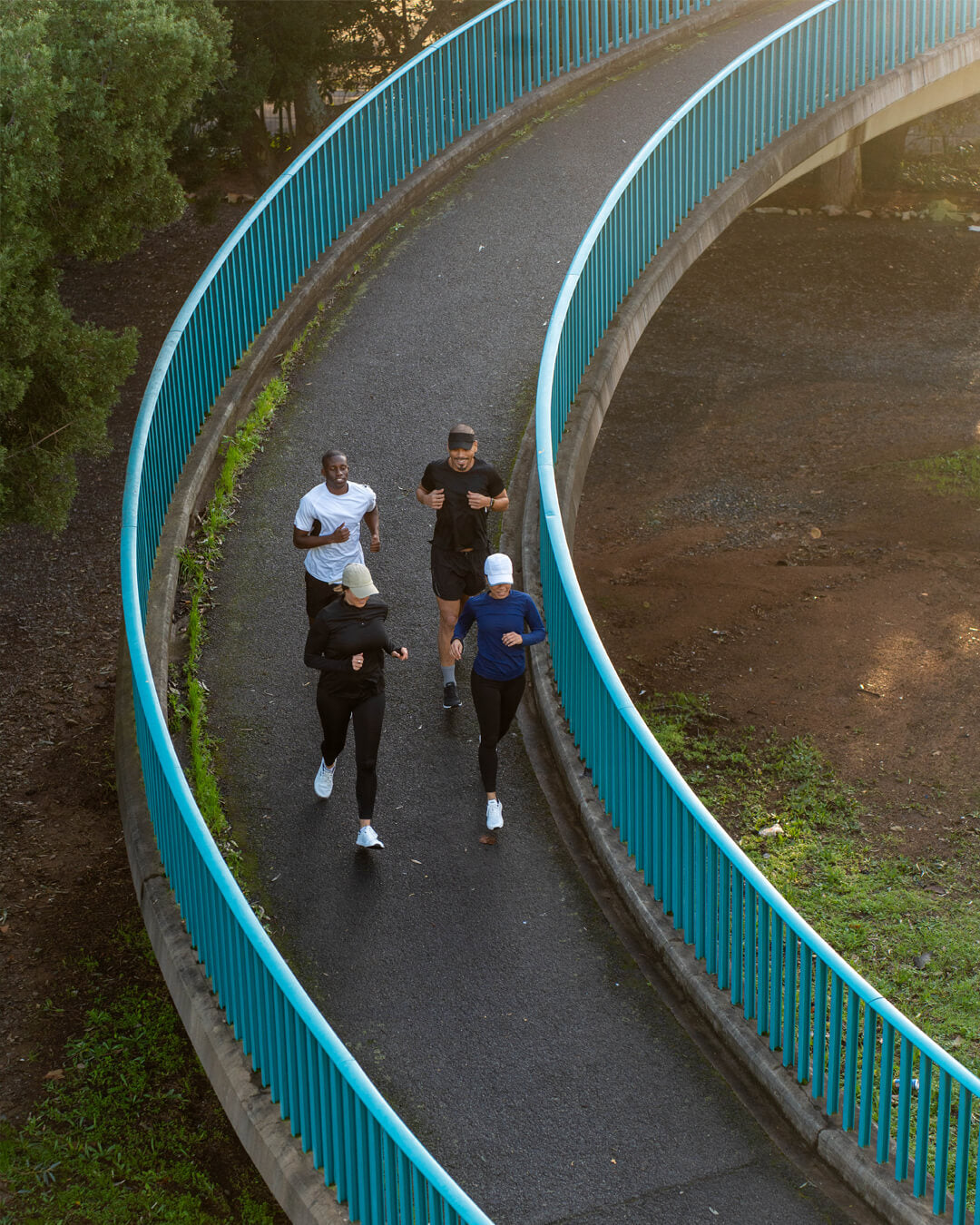
Barefoot-style shoes fit differently - use our guide to get it right first time
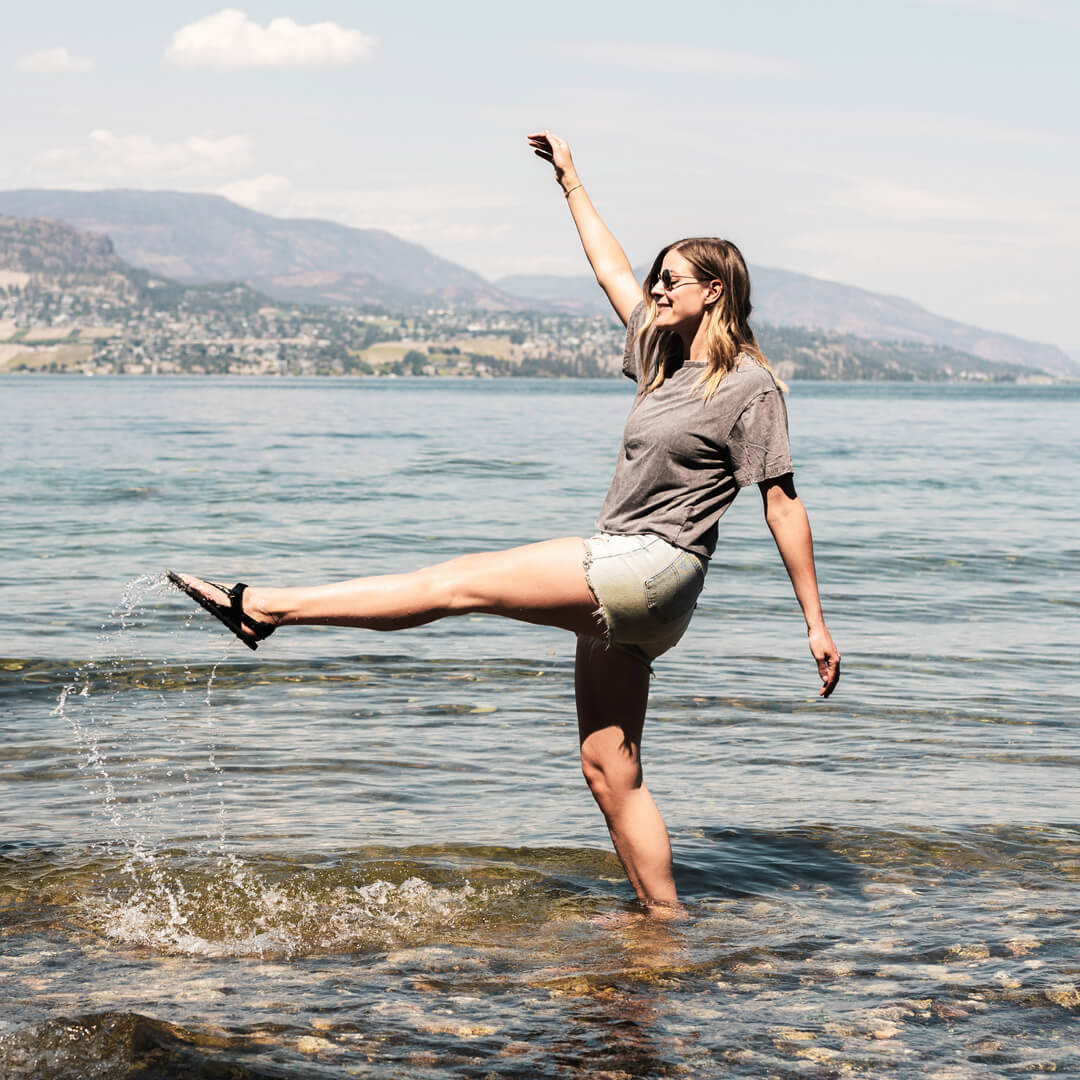
Want a smoother switch to barefoot shoes ? Start with our transition plan
What Are Barefoot Shoes
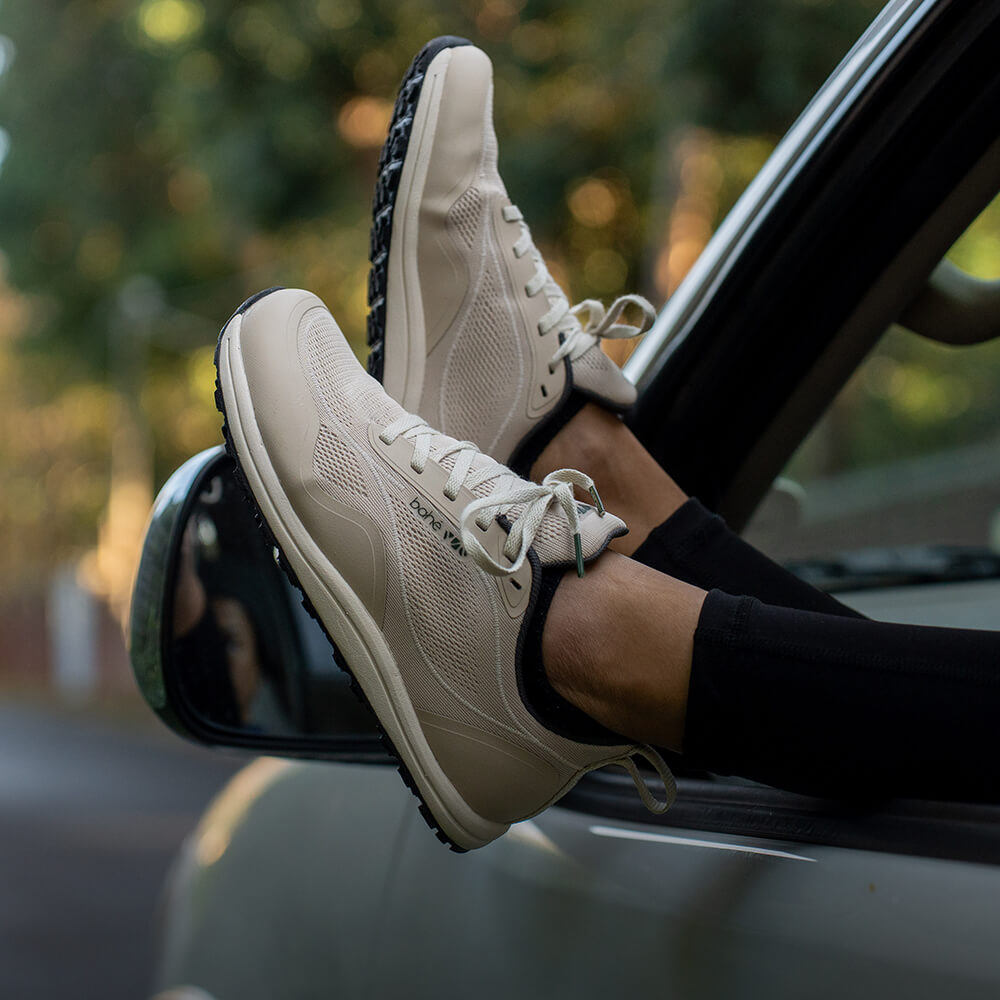
Charlie, our Head of Movement, breaks down the key features of barefoot-style shoes and why they matter if you want to reclaim your natural foot function and move with greater freedom.

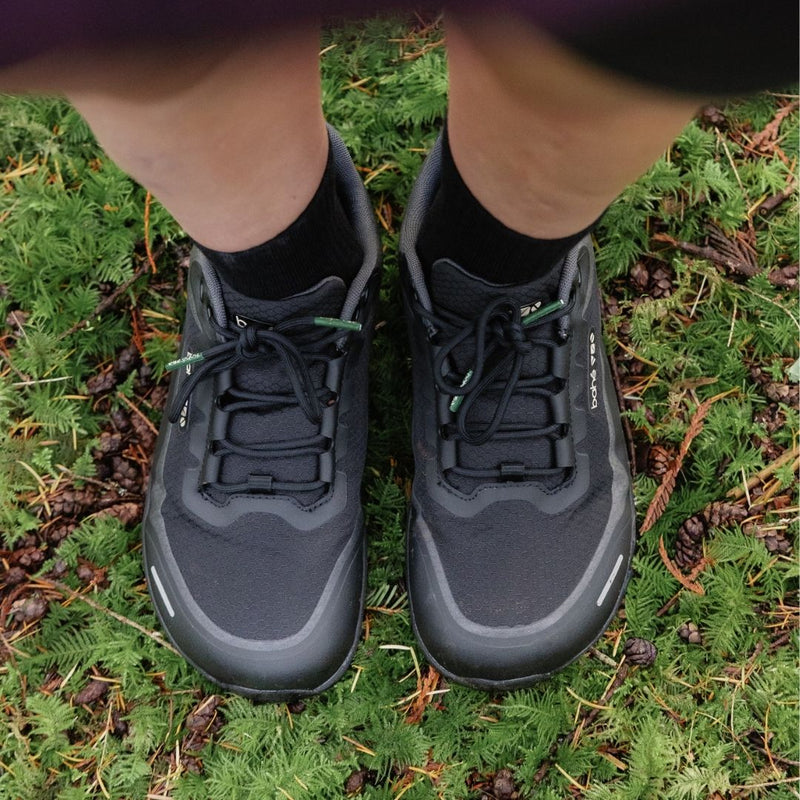
What Makes Barefoot-style Footwear
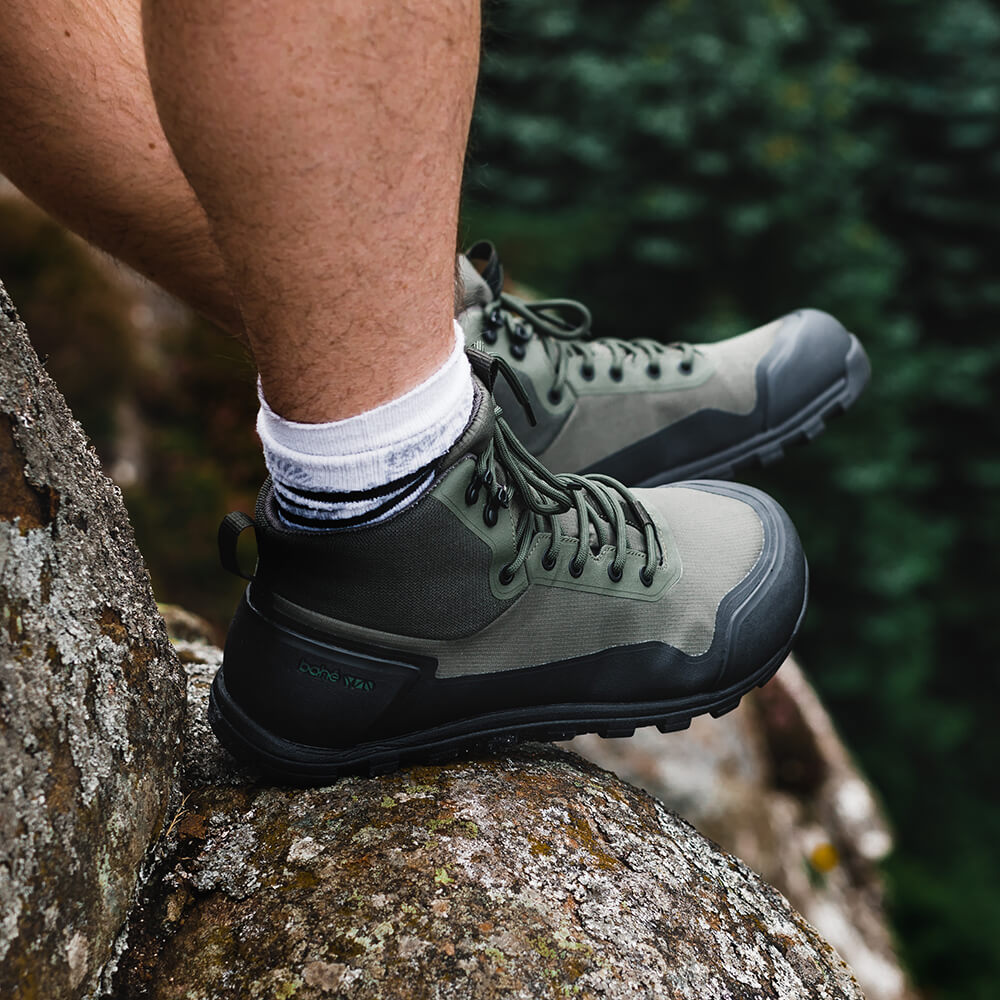
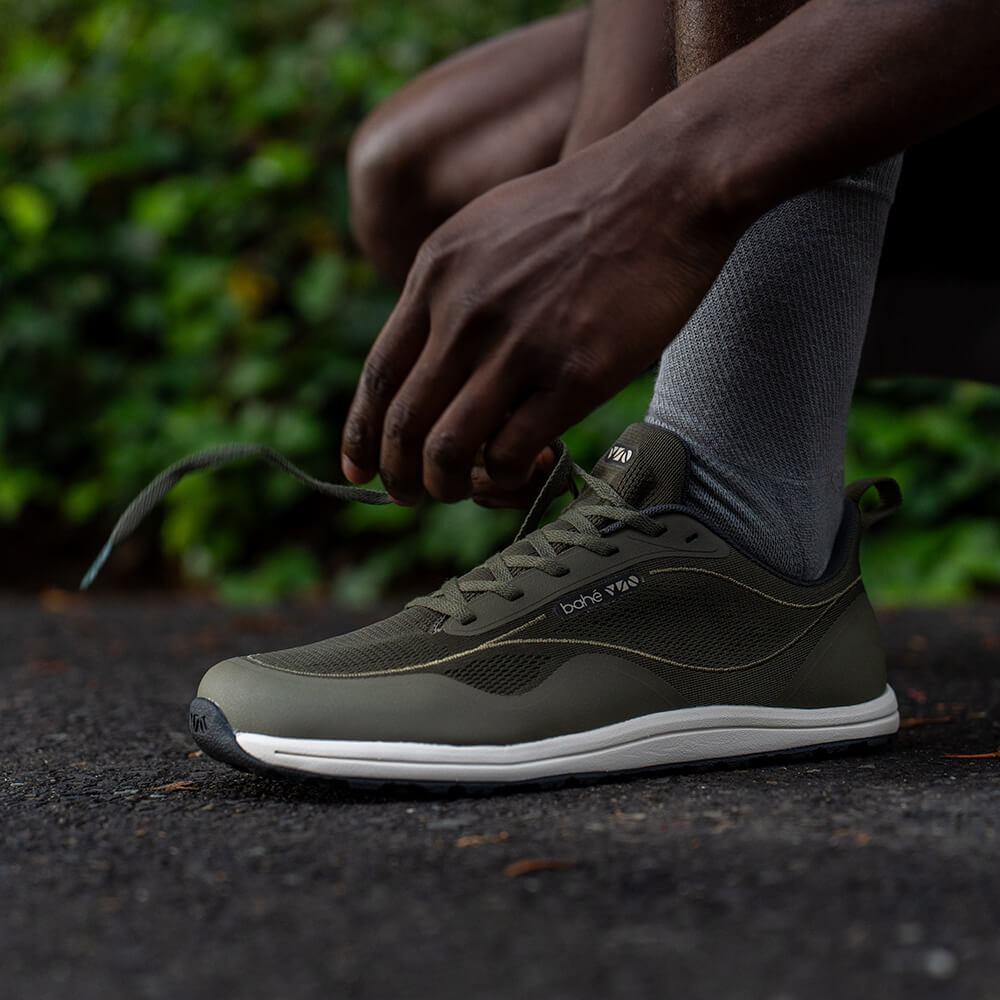
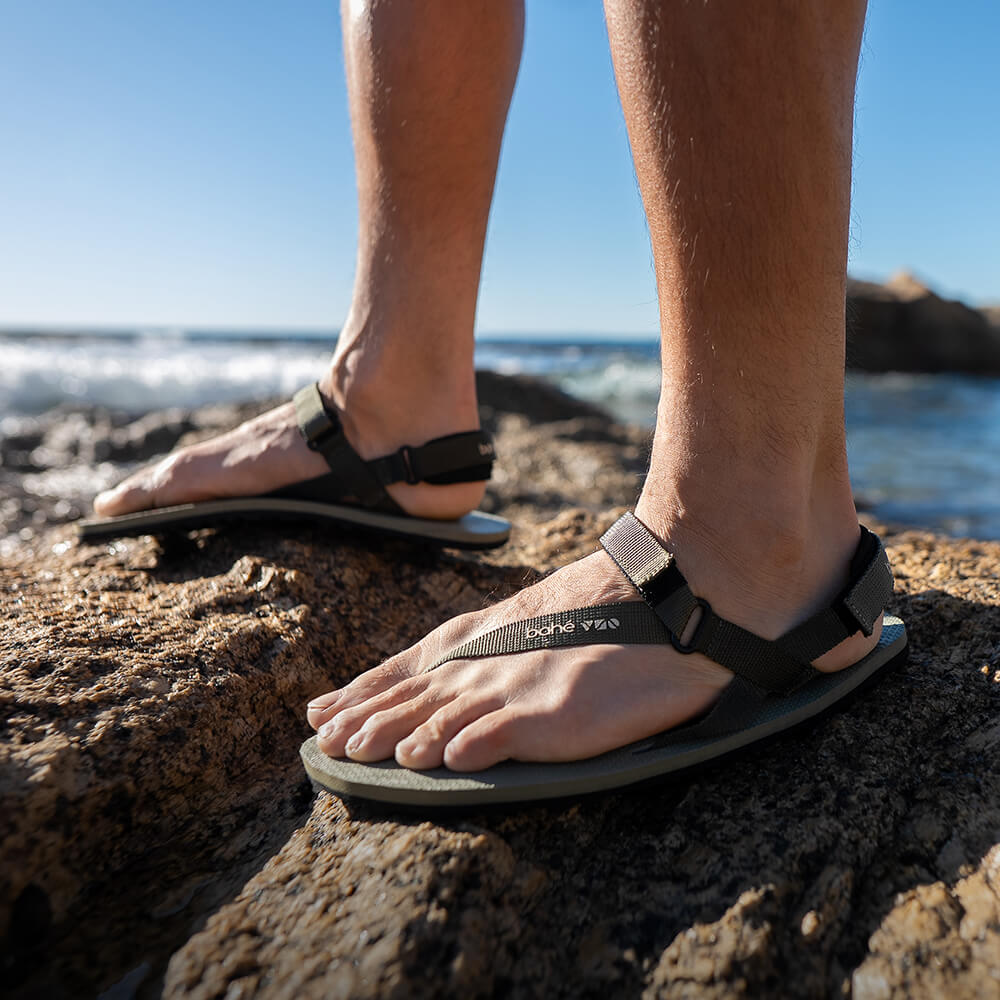
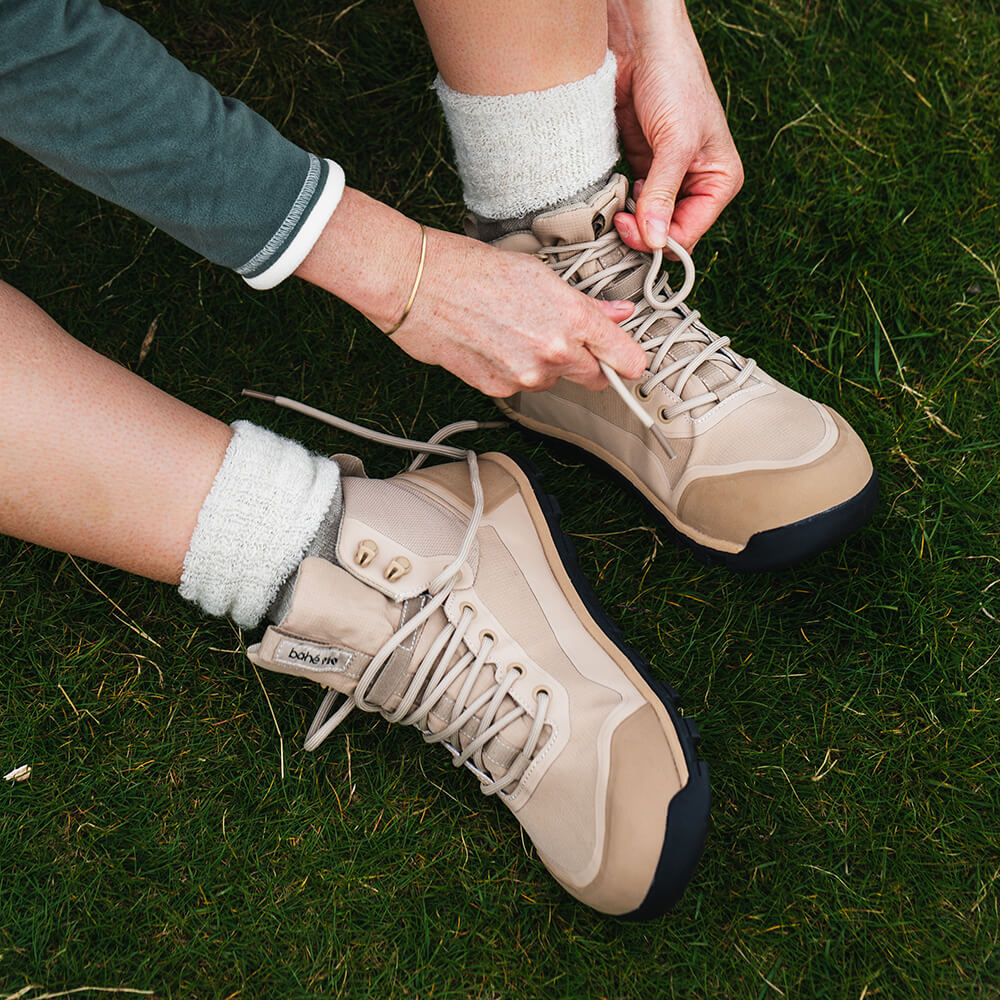
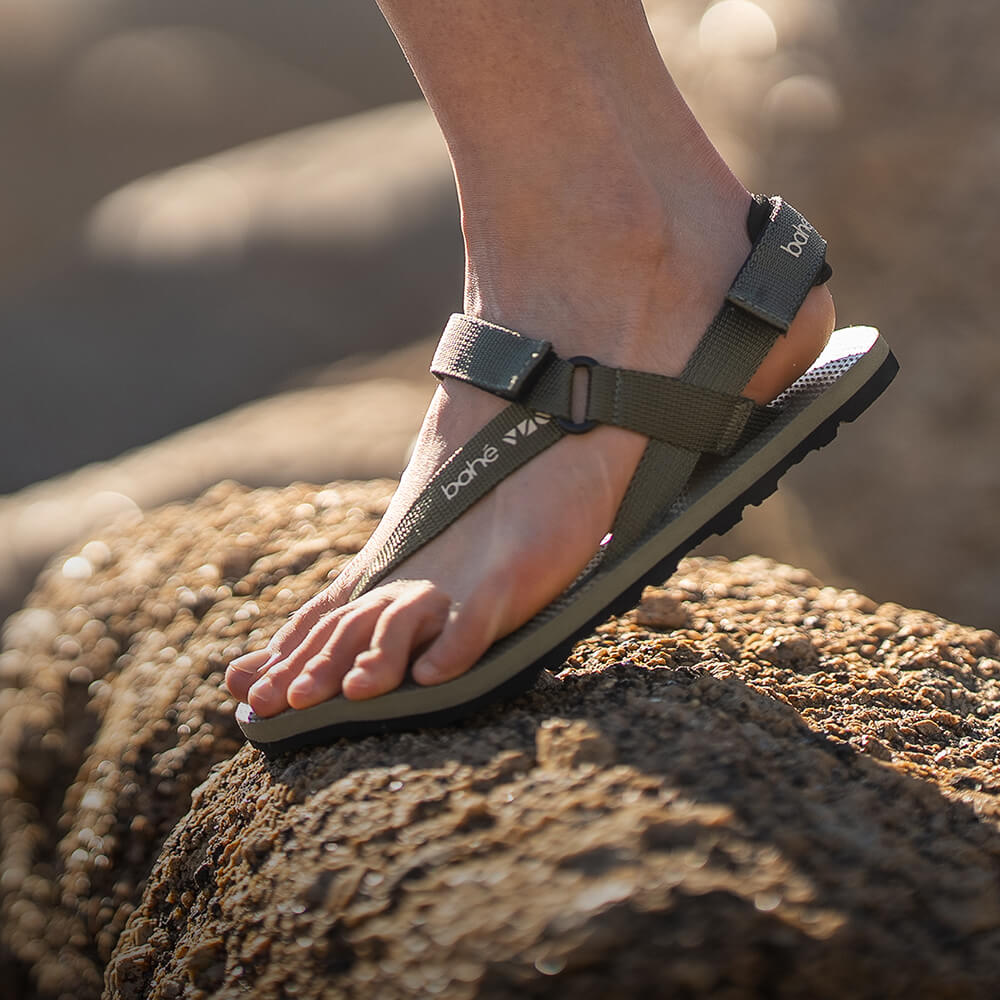
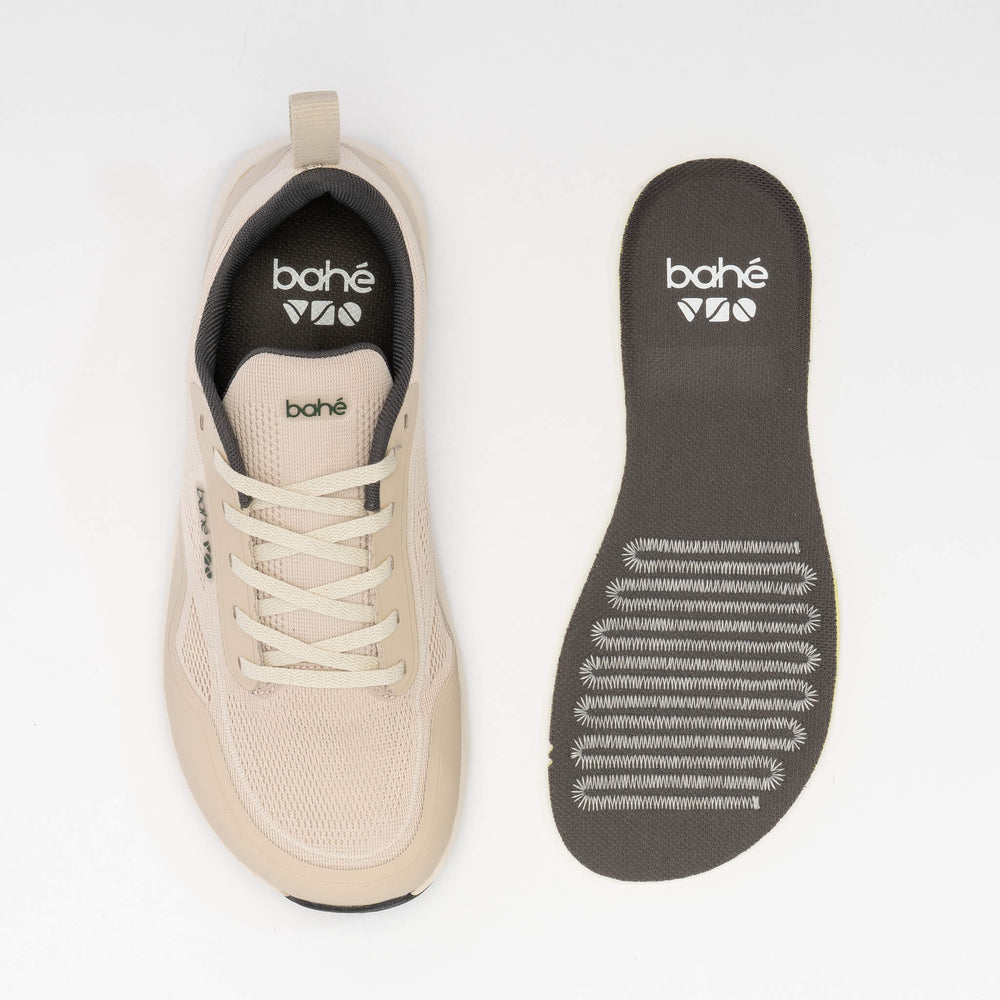
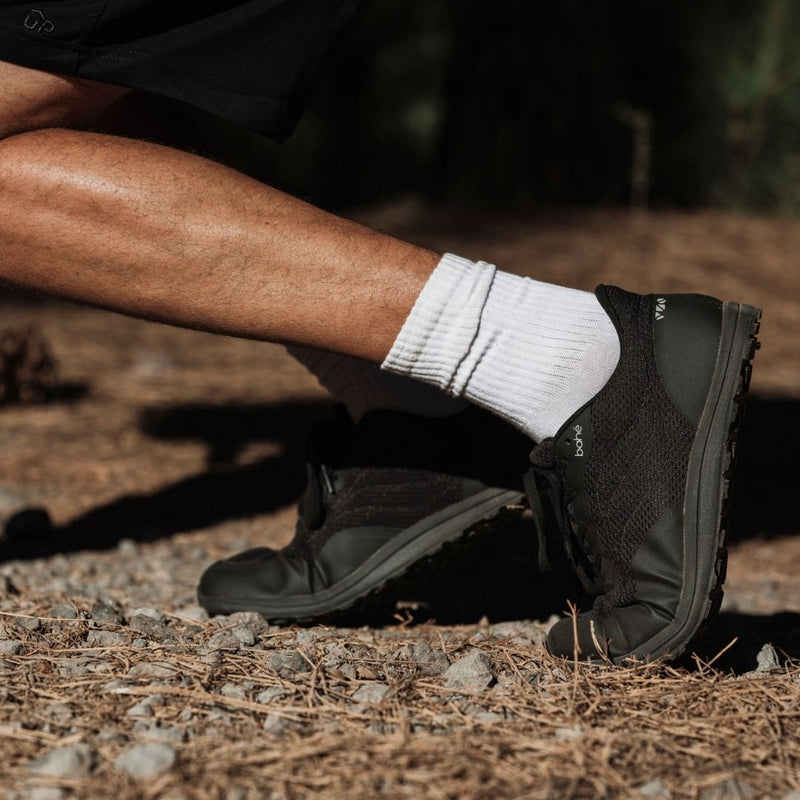
Most barefoot-style shoes share five key features:
- Foot-shaped fit - room for your toes to spread and stabilise naturally
- Zero-drop - no heel lift, so heel and forefoot sit level
- Flexibility - a sole that bends with your foot, allowing more natural articulation
- Fix fit - held securely to the foot, so the shoe moves with you
- Ground feel - more sensory feedback from the ground, which can support more natural movement
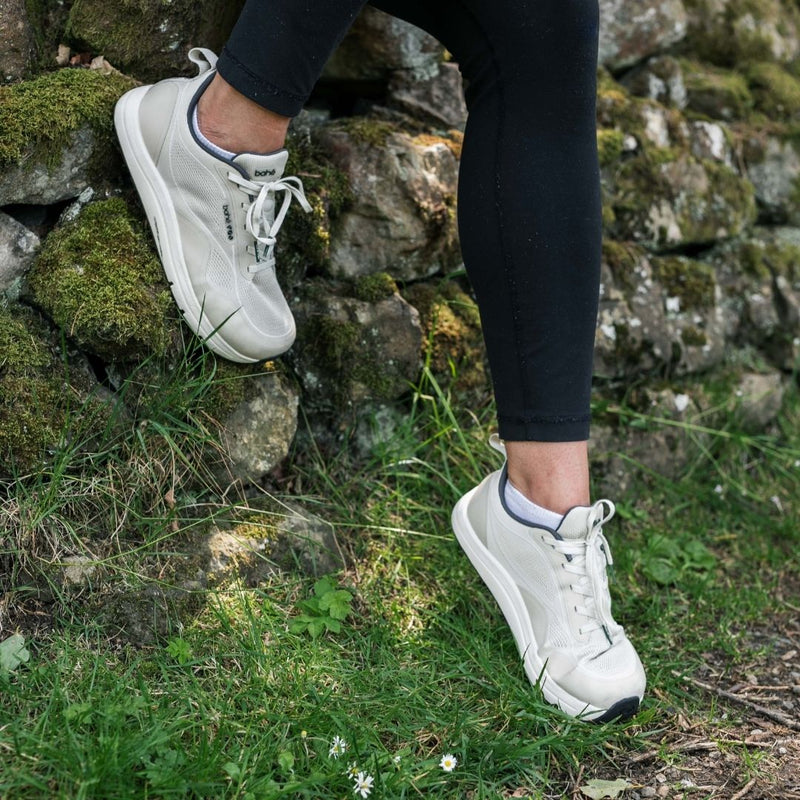
New To Barefoot Shoes?
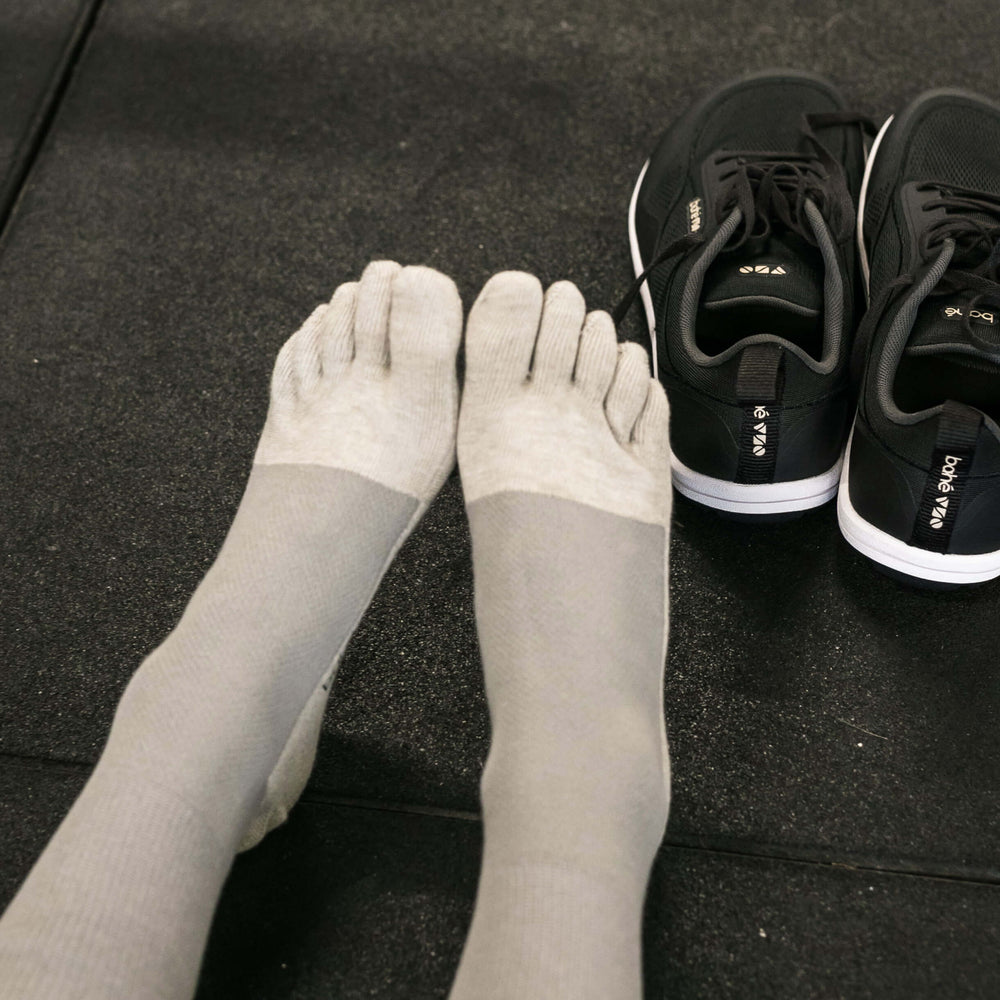
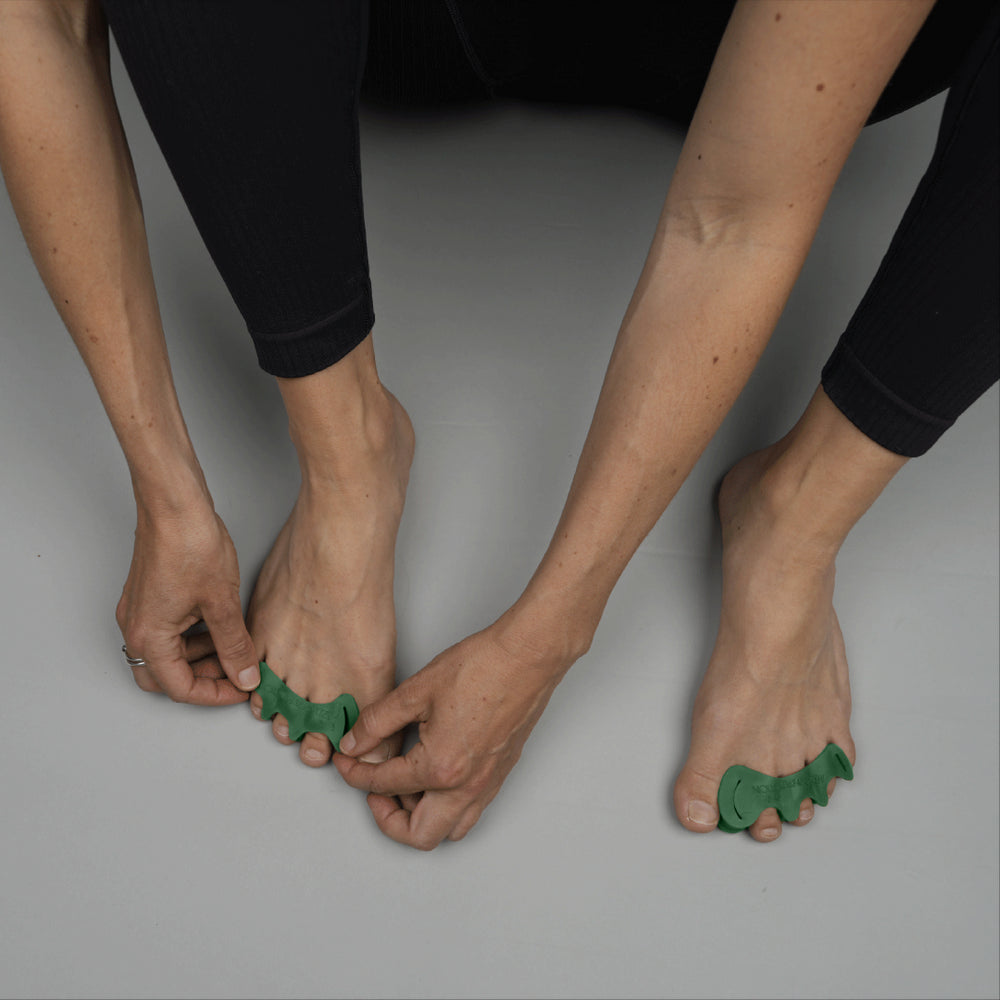
If you’re new to barefoot-style shoes, the extra ground feel and level sole can take a little getting used to - especially through your feet and calves. That’s why we recommend a gradual transition, with simple exercises to help you build strength, confidence, and tolerance over time.
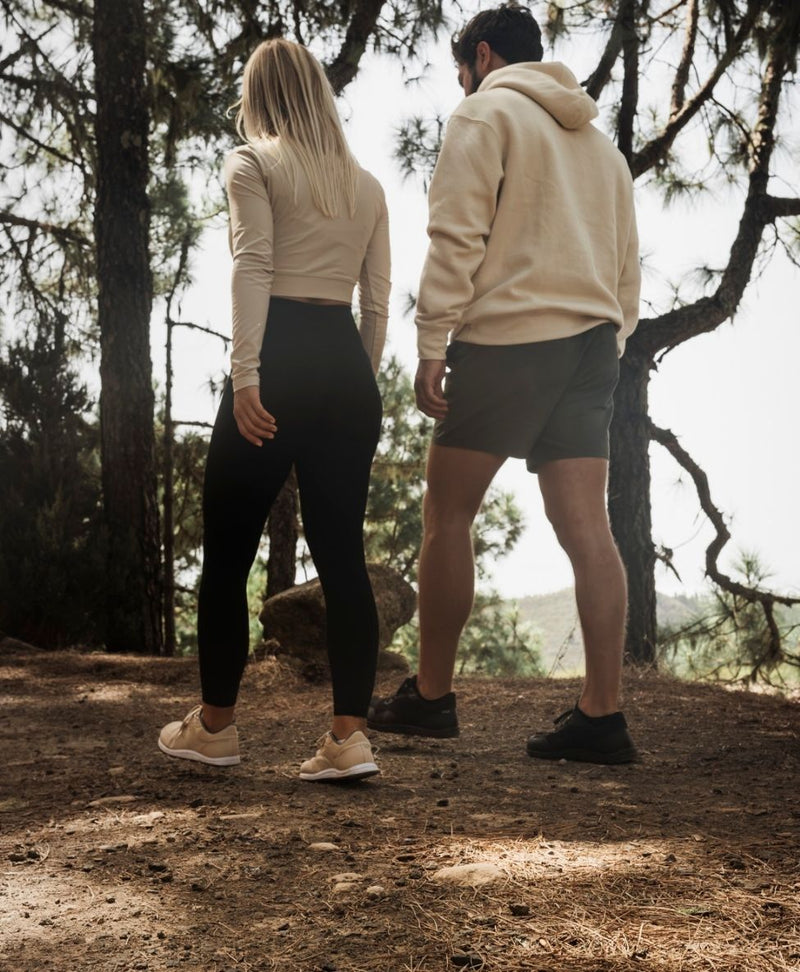
Find The Right Shoe For You
The goal isn’t less shoe for the sake of it - it’s building more capable feet. And the best place to start is with a shoe you’ll wear most. Take the quiz to find the right cushioning level for your experience, your activities, and your starting point.
A Better Transition Starts With The Right Cushioning Level
Bahé Modes give you three sole cushioning levels to match how you move now - on the same foot-shaped, zero-drop foundation.

Most Cushioned
Endurance Mode

Balanced Cushioning
Adapt Mode

Most Flexible
Flex Mode
Barefoot Spectrum: Ground Feel vs Transition Comfort
Choose the level of ground feel and cushioning that matches your current experience, activity, and starting point.
| Bahé Mode | Ground Feel vs Cushioning | Who It Suits | Transition Demand |
|---|---|---|---|
| Flex | High ground feel, low cushioning | Experienced barefoot wearers and people looking to hone in on technique when transitioning. | Higher |
|
Flex Ground Feel vs Cushioning High ground feel, low cushioning Who It Suits Experienced barefoot wearers and people looking to hone in on technique when transitioning. Transition Demand Higher |
|||
| Adapt | Balanced ground feel and cushioning | People looking for versatility, with good ground feel with more forgiving under-foot cushioning. | Medium |
|
Adapt Ground Feel vs Cushioning Balanced ground feel and cushioning Who It Suits People looking for versatility, with good ground feel with more forgiving under-foot cushioning. Transition Demand Medium |
|||
| Endurance | Lower ground feel, higher cushioning | Beginners and people looking to transition with less reduction in activity. | Lower |
|
Endurance Ground Feel vs Cushioning Lower ground feel, higher cushioning Who It Suits Beginners and people looking to transition with less reduction in activity. Transition Demand Lower |
|||
FAQ's
Barefoot-style shoes are designed to work more with the shape and function of your foot - usually with a foot-shaped fit, zero-drop sole, and more flexibility than standard trainers. They give your toes more room and bring you closer to the ground for a more natural feel underfoot.
Yes - barefoot-style shoes can be a good option for beginners, especially when you start gradually. Choosing the right Bahé Mode, building up over time, and using a few supportive exercises can help make the transition feel smoother and more sustainable.
To transition to barefoot-style shoes safely, build up gradually rather than changing everything at once. Start with short, easy wear sessions, choose a cushioning level that matches your current experience and activity, and use simple exercises to help your feet and calves adapt. If you need a softer starting point, an extra insole or heel lift can help make the change feel less abrupt while you build tolerance over time.
Zero-drop can feel more demanding on your calves at first, especially if you’re used to shoes with a raised heel. That does not mean it is wrong for you - it usually means your body needs time to adapt. A gradual build-up, the right cushioning level, and supportive tools like heel lifts, extra insoles, or simple exercises can help make the transition feel smoother.
It depends on the activity, your experience level, and what you usually wear now. For most people, walking is the easiest place to start, and many gym activities are fine too if they are controlled and lower impact. Running usually needs a bit more care - especially if you are new to barefoot-style shoes or coming from more cushioned, higher-drop footwear. Starting with a more cushioned Mode can make the transition feel smoother, but it still helps to build up gradually, allow plenty of rest, and give your body time to adapt.