
The Best Shoes for Pregnancy: Getting Comfort and Fit Right as Your Feet Change

Lauren Jackson
Head Physiotherapist at Bahé

I’ve seen this plenty of times in clinic: someone has worn the same trainers happily for years, then during pregnancy they suddenly feel tight, uncomfortable or simply wrong.
I’m currently pregnant myself, so I’m experiencing some of those changes from the other side now too. After helping many women manage changes in movement and comfort during pregnancy, it has been interesting to notice what I’m reaching for in my own footwear.
For me, the biggest priorities are simple: enough room for my feet and toes, a secure fit, and enough cushioning to feel comfortable for what I’m doing that day.
If you’re looking for the right shoes to stay comfortable during pregnancy, accommodate changes in your feet and still allow them to move naturally, this guide explores what to look for - from toe room and fit to cushioning, zero drop and foot-shaped design.
Pregnancy changes the way your whole body moves and carries weight, and your feet are part of that.
As your body changes, your centre of mass and the way you balance can shift. Hormonal changes can affect how tissues feel, while increased body weight and longer periods of standing or walking may make hard surfaces feel less forgiving. Swelling of the feet can also change how a familiar shoe fits from one part of the day to another.
Some women notice their feet feel wider or that shoes which used to fit comfortably become restrictive.
That is why the footwear you choose during pregnancy often needs to be a little more adaptable than the shoes you wore before.
They can be a comfortable option for some women, but the word barefoot covers quite a wide range of footwear.
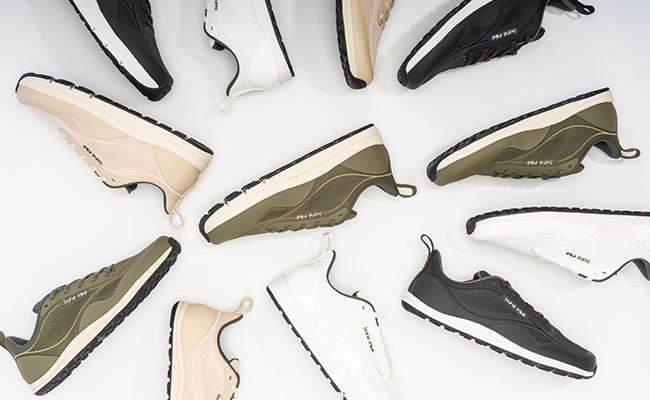
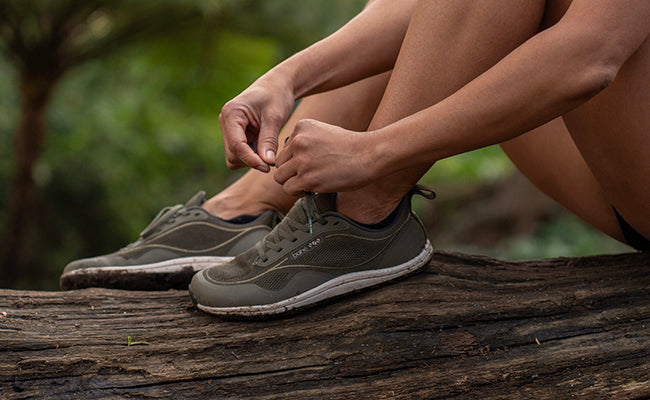
Barefoot-style shoes are generally foot-shaped, with a wide toe box, a flat or zero-drop sole and greater flexibility than conventional footwear. Some are very thin and minimal, while others offer considerably more cushioning.
During pregnancy, I care less about achieving the most barefoot sensation possible and more about those useful design principles - particularly giving the toes space and avoiding unnecessary pressure around the foot.
A wide toe box or foot-shaped shoe allows the front of the foot to sit more naturally rather than being squeezed into a narrow shape. And importantly, choosing a foot-shaped shoe does not mean you have to give up cushioning.
When I’m choosing comfortable shoes during pregnancy, I want my toes to have room without my whole foot sliding around inside the shoe.
There should be enough space through the toe box for the toes to sit comfortably, with a secure fit around the heel to keep the foot in place. I also pay attention to pressure across the top of the foot because a shoe that feels fine earlier in the day may become noticeably tighter if my feet swell later on.
Fit should feel secure rather than restrictive.
That combination - toe room, heel security and a comfortable upper - is often far more helpful than simply looking for a shoe labelled "wide", or choosing a conventional fitting shoe in a larger size.
A zero-drop shoe keeps the heel and forefoot at the same level, rather than lifting the heel above the toes as many conventional trainers do.
I like this principle during pregnancy because your growing bump already pulls you forwards into an anterior tilt and raised heel shoes can exaggerate this. A zero-drop platform allows the foot and ankle to sit in a more natural position underneath you. When your heel is raised, even slightly, it changes the position of your feet and ankles and can influence how your knees, hips and upper body sit above them. A flat, zero-drop sole keeps the heel and forefoot level, allowing your body to stand in a more natural position without that added lift under the heel.
That feels particularly relevant during pregnancy, when your centre of mass is already changing and your body is constantly making small adjustments to posture and balance.
Zero drop does not have to mean thin or hard underfoot either. You can still choose plenty of cushioning while keeping that flat, foot-shaped foundation, which for me is a really useful combination right now.
This is one reason I find the Bahé Modes system particularly useful at the moment.
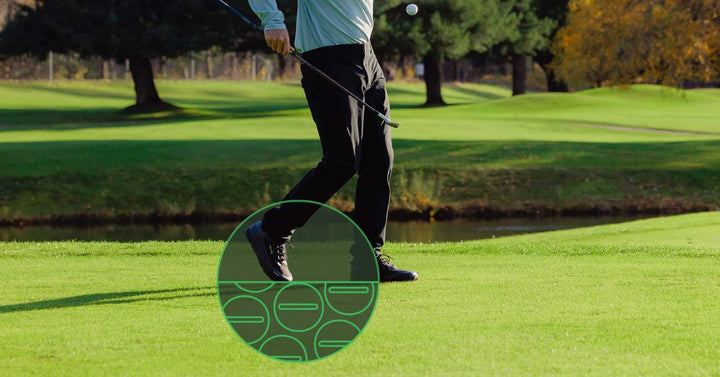
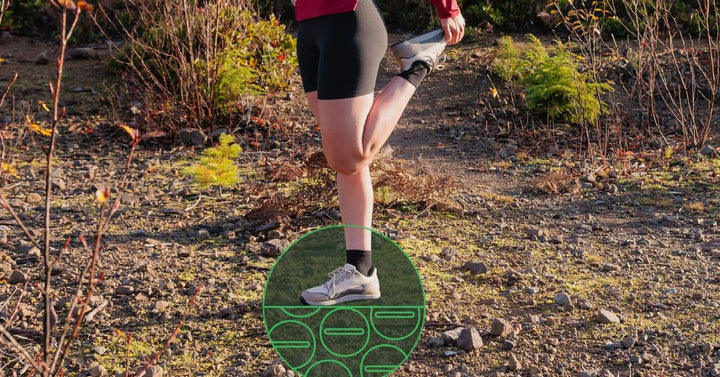
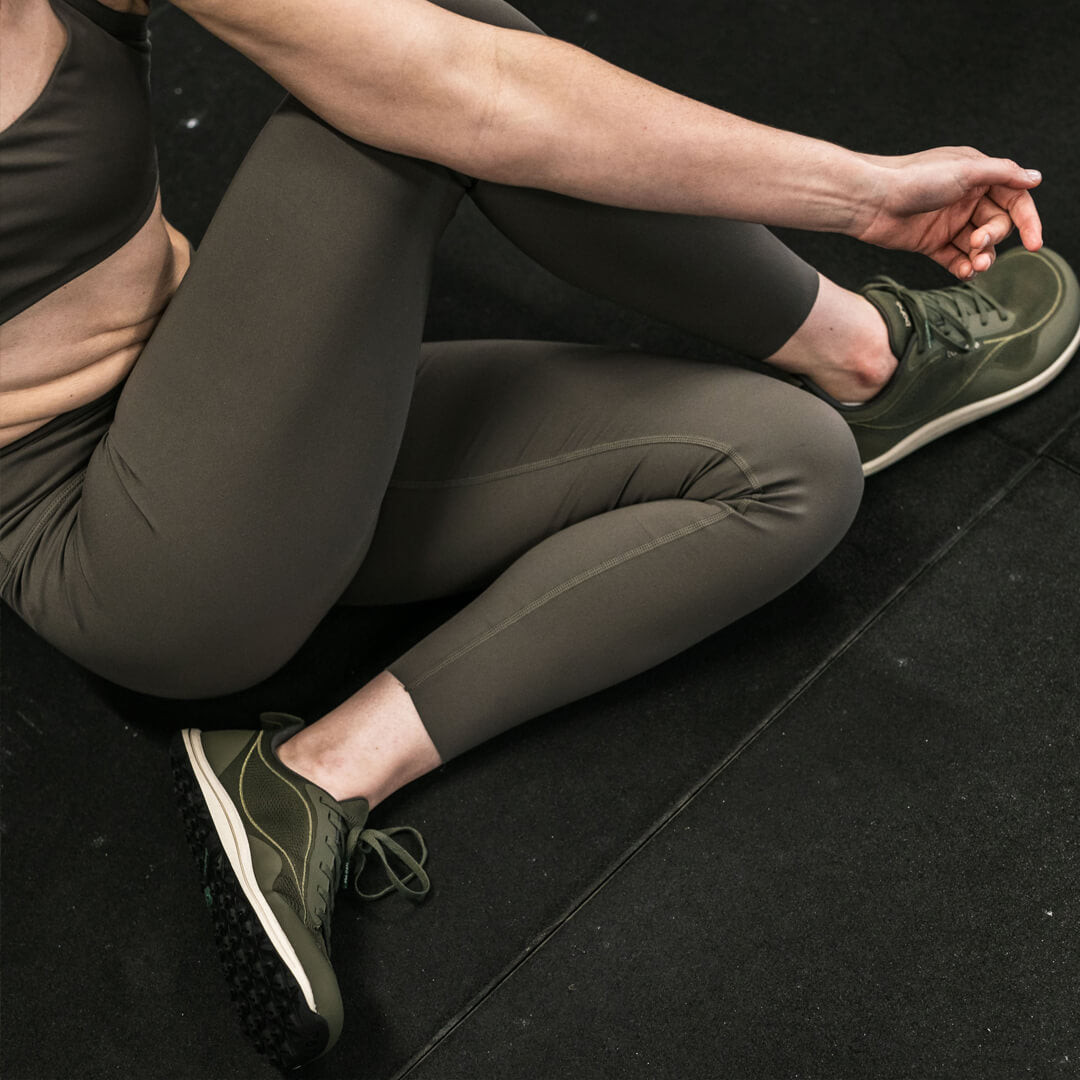
At Bahé, Modes are three different sole cushioning levels - Endurance, Adapt and Flex - available across selected foot-shaped, zero-drop shoes we offer. The footwear principles remain consistent, while the amount of cushioning and ground feel changes.
Endurance is the most cushioned Mode and the usual entry point for people coming from more conventional cushioned footwear. Adapt sits in the middle. Flex provides the least cushioning and the greatest ground feel, so it will often suit someone who is already comfortable in more minimal footwear.
Being pregnant, I like having that choice. There may be days when I want more cushioning underfoot and others when I am perfectly comfortable with more ground feel.
There is no prize for choosing less cushioning. I would choose the version that feels comfortable for your feet, your activity and the surfaces you spend time on.

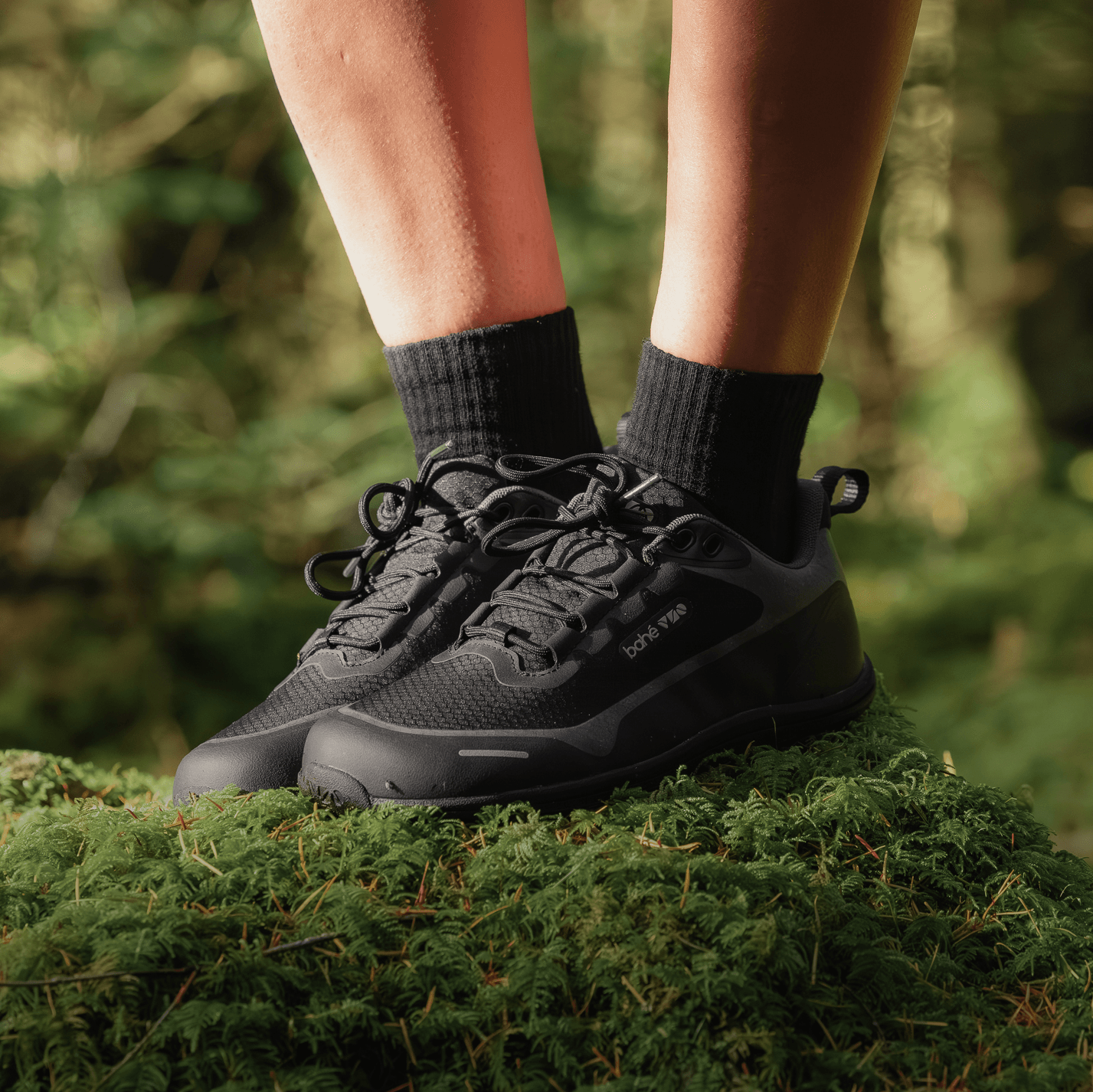
A well-fitting, cushioned foot-shaped shoe can feel very comfortable from the first wear, especially if the main difference you notice is finally having more room around your toes.
But if barefoot-style or zero-drop footwear is new to you, give your body some time to adapt to the change.
For everyday walking, that might simply mean wearing the shoes for shorter periods at first and seeing how your feet and lower legs feel afterwards. If you plan to run or train in them, be a little more deliberate because changes in sole thickness, heel-to-toe drop and ground feel can alter how the feet and calves are working.
You do not need to rush the process, the key is to listen to your body.
One thing that can be really useful during pregnancy is having a bit more control over how your shoes fit as your feet change.
With selected Bahé shoes, the insole is removable, and we also sell additional insoles separately. That means you can adjust the space and cushioning inside the same pair of shoes rather than immediately needing a different size or style.
If your feet feel a little more swollen or you want extra room, you can remove the insole to create more space inside the shoe. If you want a snugger fit or a little more cushioning underfoot, you can add an extra insole instead.
It gives you a simple way to fine-tune the fit over time, which can be especially helpful during pregnancy when your feet may not feel exactly the same from one day - or even one part of the day - to the next.

Your footwear needs may continue to change after birth too, so I would avoid becoming too attached to the idea that there is one perfect pregnancy shoe or one permanent level of cushioning.
Comfort, swelling, activity levels and how much time you spend on your feet can all change again during the postnatal period.
For me, that makes adaptable footwear particularly appealing. I can keep the foot-shaped fit I like while choosing the amount of cushioning that suits what I am doing.
If you develop significant or persistent foot pain, worsening swelling, numbness, difficulty walking or symptoms that concern you during pregnancy, speak to your midwife, GP or an appropriately qualified physiotherapist. They can assess what is happening in the context of your individual pregnancy and medical history.
If your usual shoes start to feel different during pregnancy, take a fresh look at how they fit. Your feet may simply need more space, a little more flexibility and a level of cushioning that feels comfortable as your body changes..
For many women, a comfortable pregnancy shoe means more space through the toe box, a secure heel, an upper that does not feel restrictive, and a level of cushioning that suits everyday life.
Barefoot-style shoes can offer that combination without forcing you into an ultra-minimal shoe. Choose the amount of ground feel that feels appropriate for you, and if zero-drop footwear is new, introduce the change gradually.

Alert me via email when this size/colour becomes available


Leave a comment