Skip to content

What Your Arch Does (and Why Shape Isn’t a Diagnosis)

Bag
0

Flat feet and arches: what your arch actually does (and why shape isn’t a diagnosis)

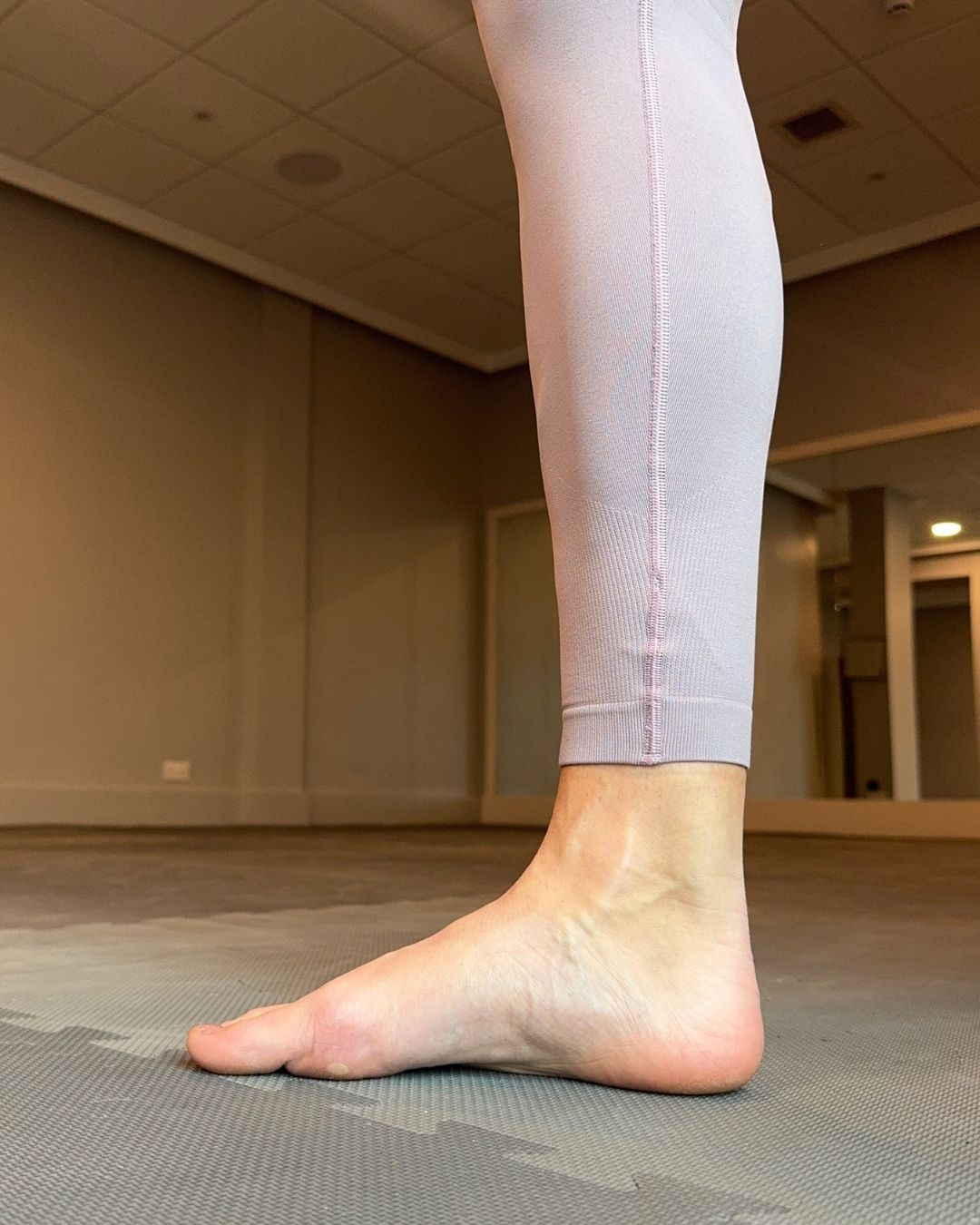
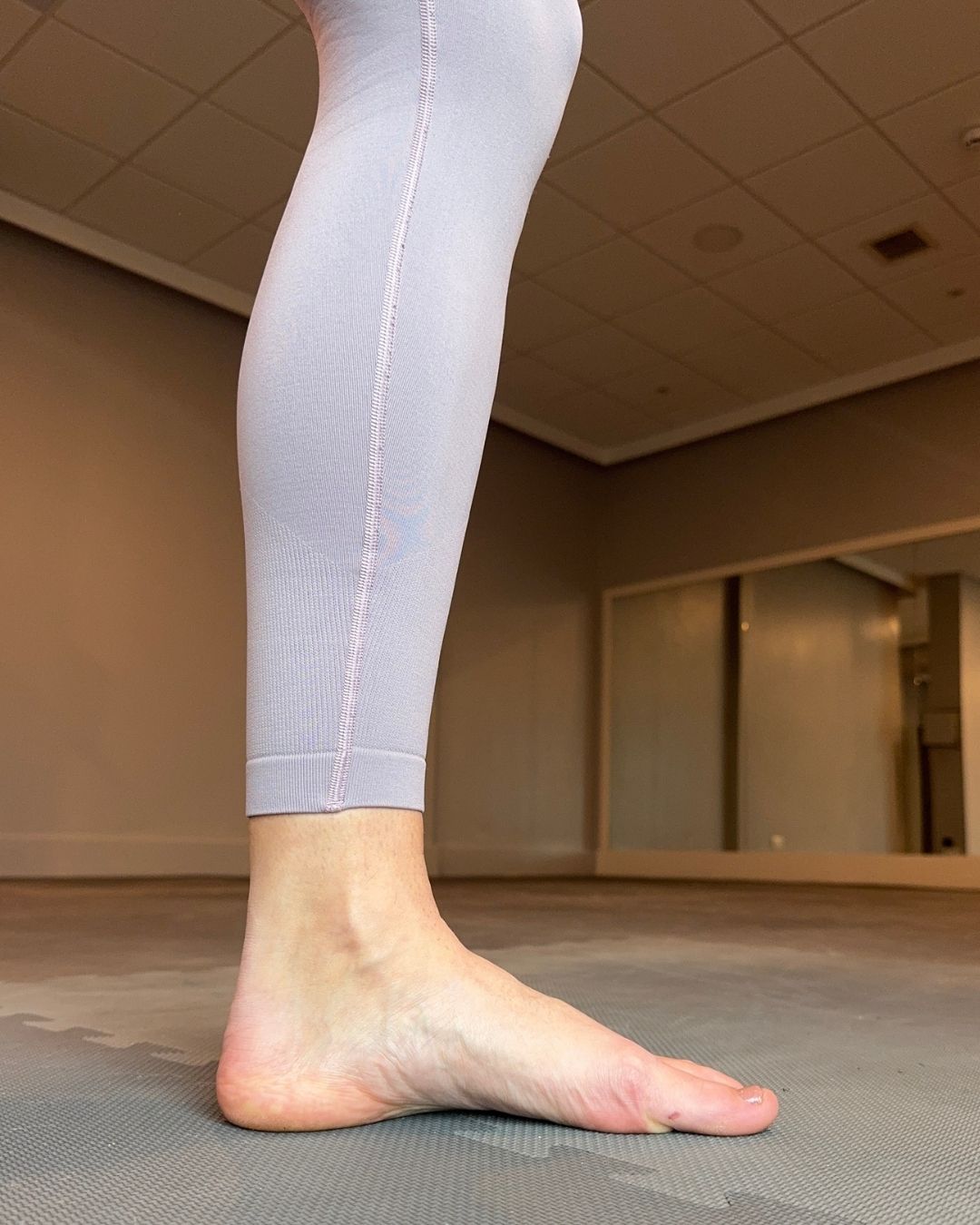
Flat feet describe shape, not a diagnosis.
The goal is not a perfect arch. The goal is a foot that tolerates your life.


If you only take one thing from this, a flatter looking foot can still be strong, capable, and pain free, and it does not automatically need arch support (Neal et al., 2014; Tong & Kong, 2013).

In plain English, flat feet usually means your arch looks lower when you are standing, especially when you put weight through it. That is a description of shape, not a diagnosis. In practice, what matters more is how your feet tolerate everyday life such as walking, standing, stairs, sport, and recovery afterwards (Coughlin et al., 2014).

As a physio, I see people get labelled as broken because of foot shape. Let’s unpick that.
 

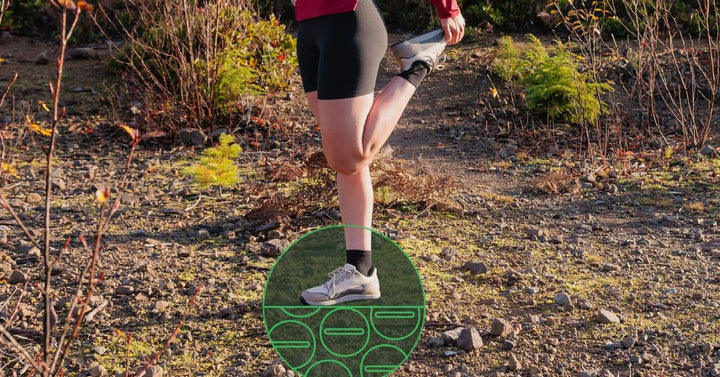
68067578872192

What do the arches of the foot actually do?

Most people think of the arch as a static bridge that should be held up. In reality, your arch is a springy, adaptable system made up of bones, ligaments, fascia, and muscles.

Here is what the arches help with (Coughlin et al., 2014):

• Load sharing, spreading forces across the foot rather than concentrating them in one spot
• Adaptability, helping the foot conform to uneven ground for balance and efficient movement
• Energy storage and return, allowing some compression and recoil as you push off
• Stiffness when needed, helping the foot act as a firmer lever for propulsion

Key point: arches are meant to move. Arch height can change across the day and with fatigue, training load, and different surfaces (Coughlin et al., 2014).

"Arch height is simply a description of foot shape. In clinic we care far more about how the foot behaves under load, how well it tolerates activity, and whether symptoms appear. Many people with lower arches function perfectly well without needing to ‘fix’ their arch."

Julie Bruton - Physiotherapist

Are flat feet a problem?

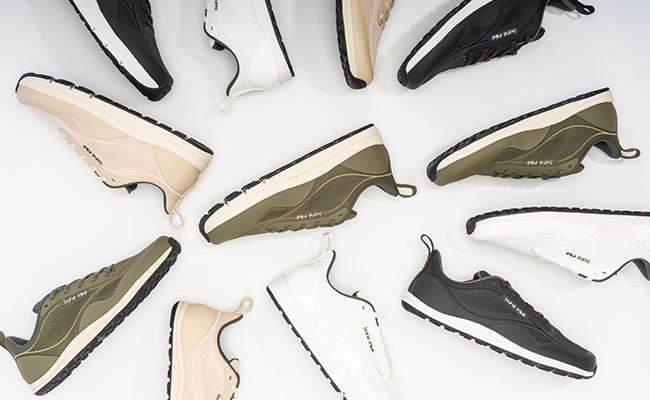
68122877329792

Are flat feet a problem?

Sometimes, yes. Often, no.

A low arch can be:

• Your normal anatomy, influenced by bones and connective tissue
• Flexible, where the arch looks flatter in standing but changes when seated or on tiptoes
• Context dependent, where the arch looks flatter when tired, carrying load, or after a long day
(Coughlin et al., 2014)

What is not helpful is the leap from flat to weak or broken. Many people with low arches walk, hike, lift, run, and dance without issues, and research does not support using foot posture alone as a reliable predictor of injury risk (Neal et al., 2014; Tong & Kong, 2013).

What is more useful than focusing on shape is asking:

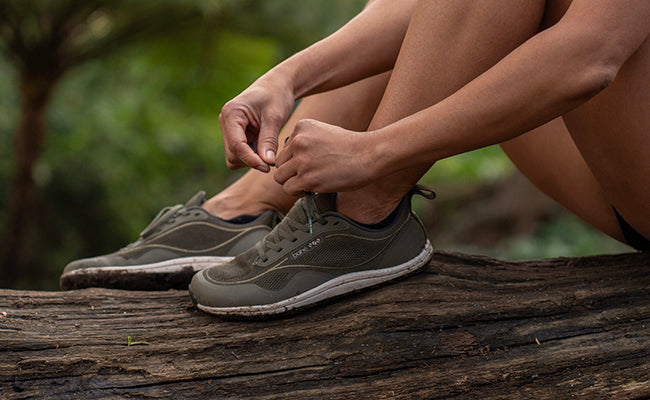
68123069186432

What is more useful than focusing on shape is asking:

• Do you have pain that limits your day to day activity
• Do symptoms build across days rather than settling
• Has your foot shape changed suddenly, especially on one side
• Are you losing function such as balance, push off, or walking tolerance
(Myerson, 2014; Bluman et al., 2007; Gabbett, 2016)

If the answer is yes, it is worth getting a proper assessment, not because you are flat, but because symptoms and capacity deserve attention (Myerson, 2014; Coughlin et al., 2014).

Do flat feet need arch support or orthotics

Not by default (Neal et al., 2014; Tong & Kong, 2013).

Arch support is a tool, not a requirement. Some people find it helps with comfort during a flare up, high volume days, or a return to activity phase. Others feel worse in it. Responses vary, and orthoses can meaningfully change lower limb mechanics and loading patterns, which is one reason they can help some people and not others (Jor et al., 2024; Chen et al., 2024).

A helpful reframe:

The goal is not to hold your arch up. The goal is to build a foot that tolerates your life.

That usually means getting the overall load and recovery picture right and progressing activity gradually (Gabbett, 2016; Dye, 2005).

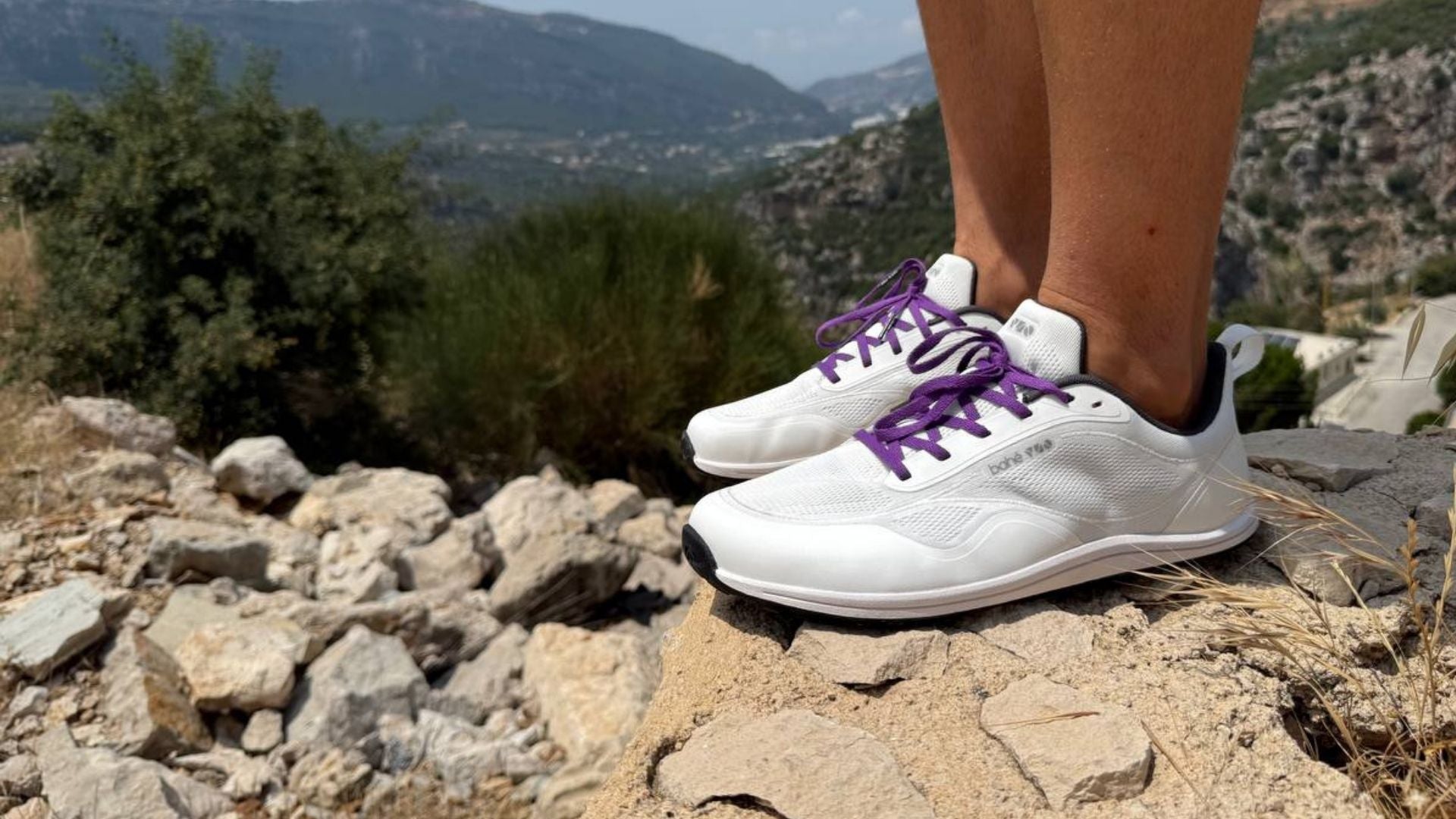
68067578806656

How to build strong, capable feet with low arches?

If your feet are coping well, you may not need to do anything special. If you want more resilience, or you are returning from a niggle, think capacity first.

1) Build tolerance gradually

Feet respond best to progressive exposure:

• Increase walking or standing volume in small steps
• Add hills or uneven ground later, not first
• Track how you feel later that day and the next morning

A useful rule: if symptoms are worsening across days, scale back and rebuild more gradually (Gabbett, 2016; Dye, 2005).

2) Train the whole chain, not just the arch

Foot muscles matter, but so do calves, knees, and hips (Coughlin et al., 2014).

Examples to consider if tolerated:

• Slow calf raises with a straight knee and bent knee
• Balance work
• Short foot holds, done gently and without cramping

Aim for steady strength and calm tissue, not constant squeezing.

3) Choose footwear that does not fight your foot

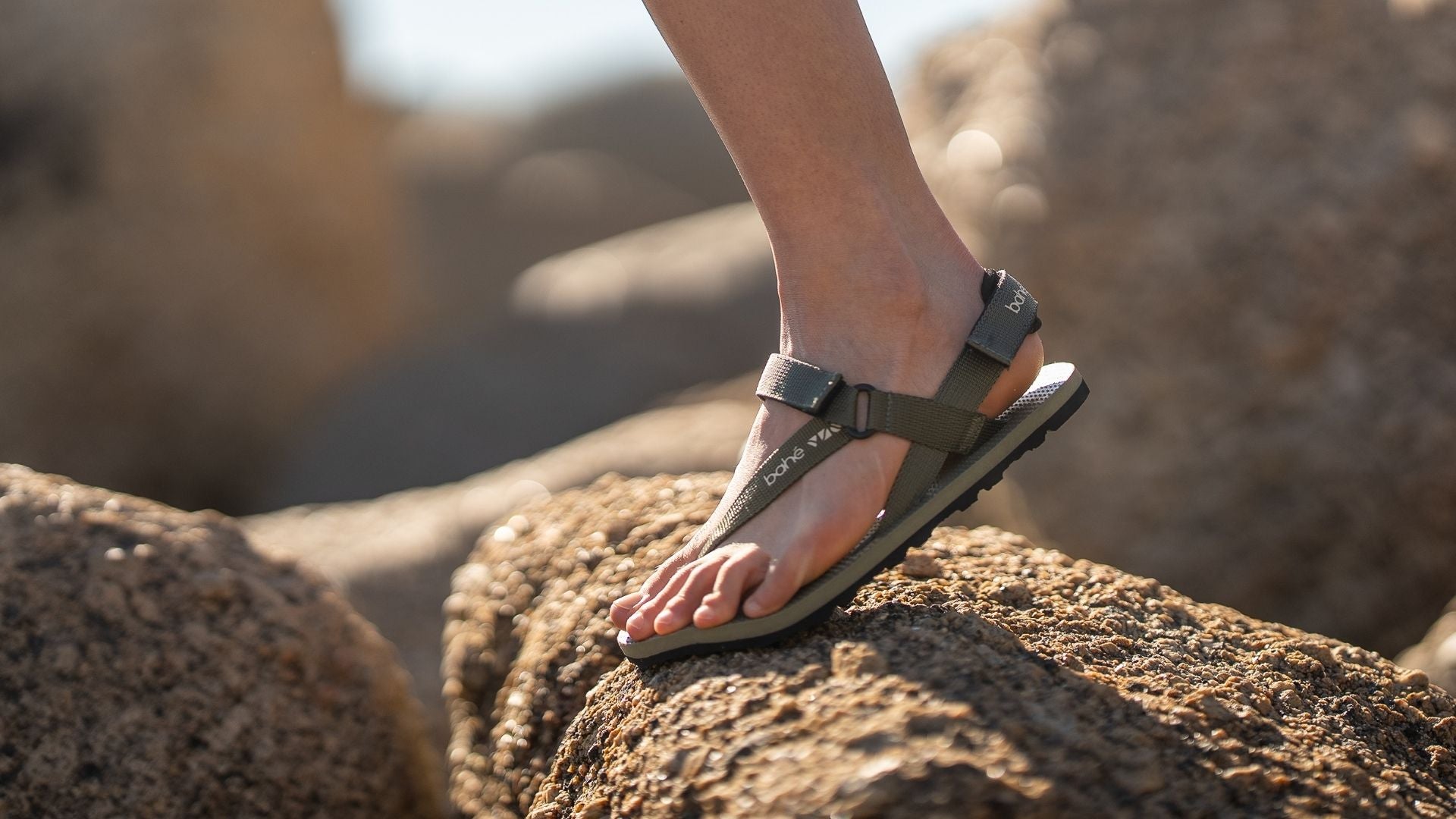
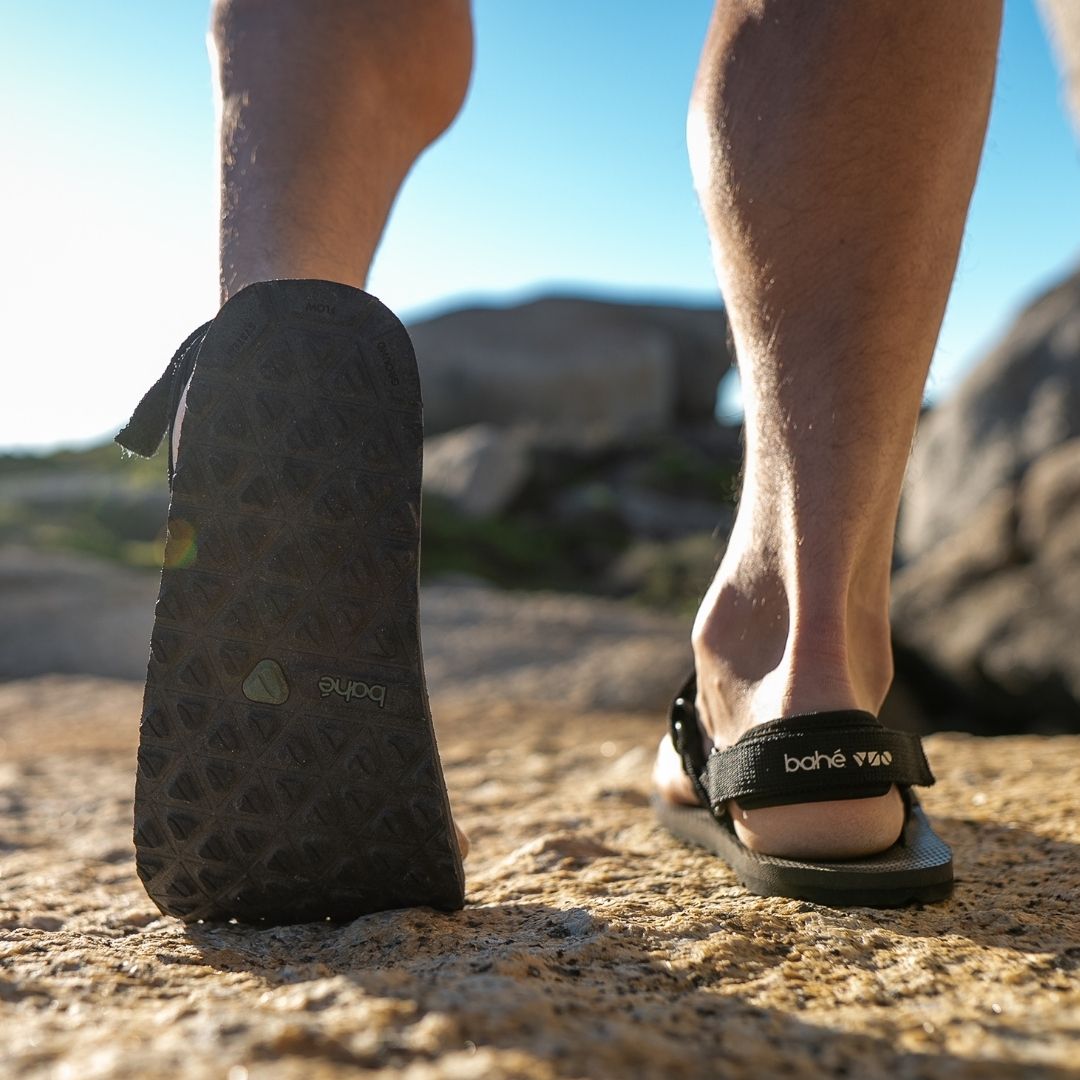
Look for shoes that allow toes to spread and provide a stable base. Many people do better with space up front and stability underfoot than aggressive arch shaping.

If you change footwear style, treat it like training and transition gradually (Gabbett, 2016).

4) Do not chase a perfect arch

A higher looking arch is not automatically a better arch, and foot posture alone is not a reliable proxy for function or pain risk (Neal et al., 2014; Tong & Kong, 2013).

Your best arch is the one that tolerates your daily load, supports the activities you enjoy, and recovers well.

68067578675584

What this covers and what we are not saying

Key view: Foot shape is not a diagnosis. Capacity and symptoms usually matter more than arch height (Neal et al., 2014; Tong & Kong, 2013; Coughlin et al., 2014).

When to get assessed: If you have significant pain, swelling, numbness or tingling, a sudden change in arch height especially on one side, or symptoms that worsen across days, book an assessment with a qualified clinician (Myerson, 2014; Bluman et al., 2007).

Take-home message

Flat feet are a description of shape, not a diagnosis. What matters most is how your feet tolerate load, movement, and recovery over time. For many people, building strength, tolerance, and confidence is more useful than trying to correct arch shape. To find shoes that are more likely to work with your feet rather than against them, take the Bahé Fit Quiz.

FAQ

Can flat feet cause pain

They can, but shape alone does not predict it well. Pain is often influenced by load, recovery, strength, footwear, and training changes (Neal et al., 2014; Tong & Kong, 2013; Gabbett, 2016).

Is fallen arches the same as flat feet

Not always. Some people have naturally low arches. A sudden or progressive change, especially on one side, is a different pattern and worth assessing (Myerson, 2014; Bluman et al., 2007).

Should I do arch exercises if I have flat feet

If you are pain free and coping, you may not need targeted arch work. If you are building resilience, include foot work as part of a whole lower limb strength plan (Coughlin et al., 2014).

Are arch supports bad

Not inherently. They can help some people with comfort and load management, but they are not mandatory because of shape (Jor et al., 2024; Chen et al., 2024).

When should I see someone

If pain is limiting you, symptoms worsen across days, there is swelling, numbness or tingling, or sudden shape change, book an assessment (Myerson, 2014; Bluman et al., 2007; Gabbett, 2016).

Lauren is Head Physiotherapist at Bahé. She focuses on load management, adaptation, and translating biomechanics into practical guidance - calm, clear, and grounded in real life.

References

Bluman, E.M., Title, C.I. & Myerson, M.S. (2007). Posterior tibial tendon rupture: a refined classification system. Foot & Ankle Clinics, 12(2), 233–249. Read the article

Chen, H.C., Sun, D., Fang, Y., et al. (2024). Effect of orthopedic insoles on lower limb motion kinematics and kinetics in adults with flat foot: a systematic review. Frontiers in Bioengineering and Biotechnology, 12. Read the article

Coughlin, M.J., Saltzman, C.L. & Anderson, R.B. (2014). Mann’s Surgery of the Foot and Ankle (9th ed.). Elsevier. Read the article

Dye, S.F. (2005). The pathophysiology of patellofemoral pain: a tissue homeostasis perspective. Clinical Orthopaedics and Related Research, 436, 100–110. Read the article

Gabbett, T.J. (2016). The training injury prevention paradox: should athletes be training smarter and harder? British Journal of Sports Medicine, 50(5), 273–280. Read the article

Jor, A., Lau, N.W.K., Daryabor, A., et al. (2024). Effects of foot orthoses on running kinetics and kinematics: a systematic review and meta analysis. Gait & Posture, 109, 240–258. Read the article

Myerson, M.S. (2014). Adult acquired flatfoot deformity. The Journal of Bone and Joint Surgery, 96(12), 1020–1030. Read the article

Neal, B.S., Griffiths, I.B., Dowling, G.J., et al. (2014). Foot posture as a risk factor for lower limb overuse injury: a systematic review and meta analysis. Journal of Foot and Ankle Research, 7, 55. Read the article

Tong, J.W.K. & Kong, P.W. (2013). Association between foot type and lower extremity injuries: systematic literature review with meta analysis. Journal of Orthopaedic & Sports Physical Therapy, 43(10), 700–714. Read the article

Leave a comment

Please note, comments need to be approved before they are published.

Alert me via email when this size/colour becomes available