Skip to content

Pronation and “flat feet” - what’s normal, what’s not (and what to do

Bag
0

Pronation and “flat feet” - what’s normal, what’s not (and what to do if it hurts)

Pronation is normal it helps your foot adapt to the ground and share load. “Flat feet” describes how your arch looks when you stand; pronation is how your foot moves under load, and the two don’t always match.

If it hurts, don’t try to “stop pronating.” Usually it’s a load issue: reduce volume briefly, rebuild in small steps, and add hills/speed/uneven ground last. Judge progress by how you feel later that day and the next morning.


This post explains that pronation is a normal, useful foot motion that helps absorb force and adapt to the ground, and that it isn’t the same thing as having “flat feet.”

Rather than treating foot shape or pronation itself as the problem, it frames pain as a likely mismatch between load and tissue capacity often after changes like increased volume, new terrain, or sudden footwear shifts. It offers a practical self-check (what changed, how symptoms behave across 24–48 hours, and whether it’s one-sided) and a simple progression plan: reduce load for a short period, rebuild gradually, and reintroduce complexity last.

 It also covers when arch supports or stability shoes may be helpful short-term, and lists red flags that warrant assessment.
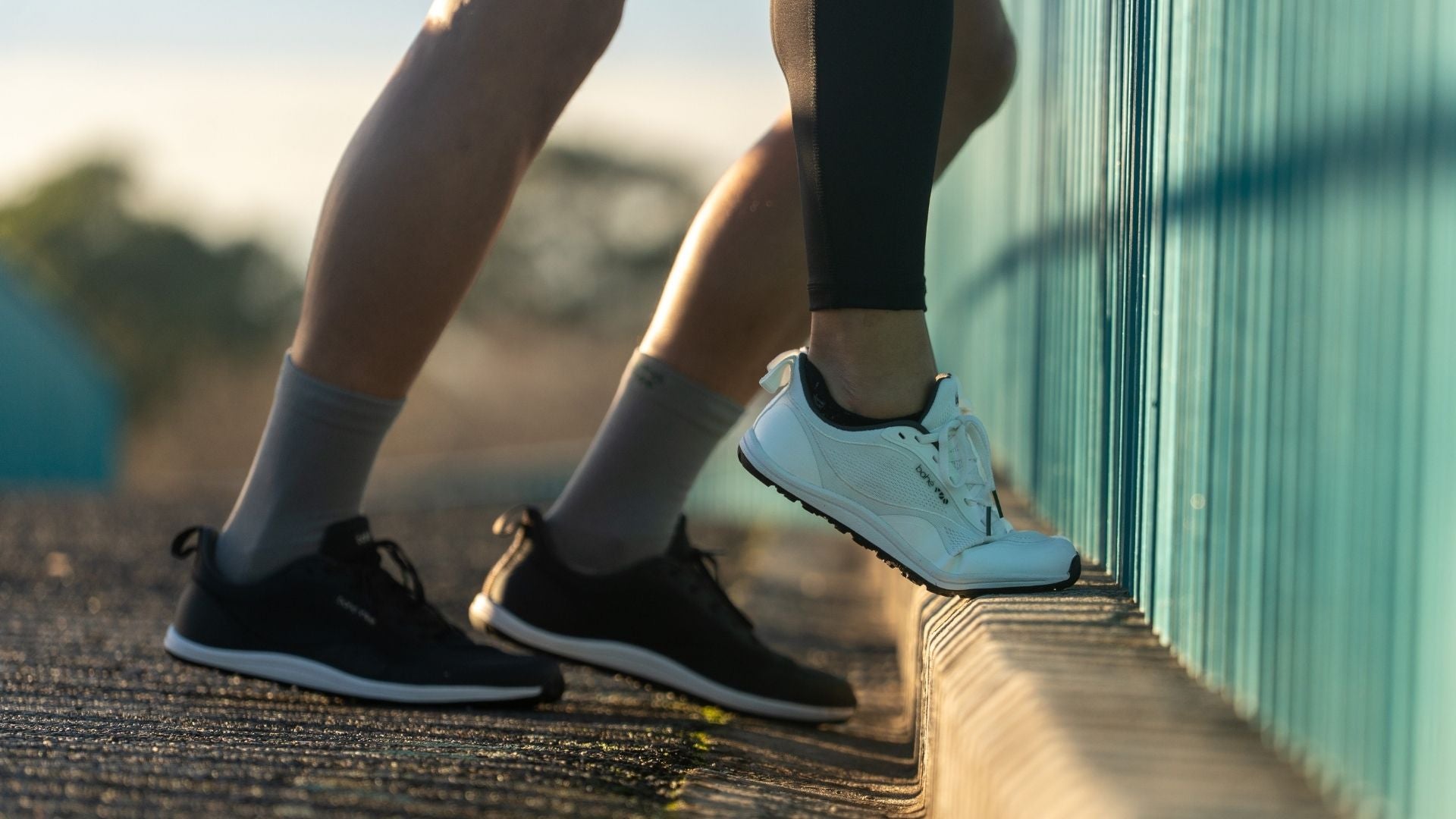
The quick takeaway (before you overthink your feet)

If you only take one thing from this: pronation is normal. It’s one of the ways your foot adapts to the ground and shares load. The real question is rarely “do you pronate?” it’s whether your tissues are coping with what you’re asking of them across days (Kalkhoven et al., 2020).

If you want the bigger picture on arches (and why foot shape alone doesn’t tell you what’s “wrong”), start here: Flat feet and arches: what your arch actually does (and why shape isn’t a diagnosis).

68044898173312

What is pronation?

Pronation is a normal, multi-direction movement your foot uses to absorb force and adapt to the ground when you step on it.

In plain movement terms, it usually looks like three things happening together:

  • The heel rolls in a little (that’s eversion).
  • The foot gently turns and spreads so more of it meets the ground (that’s abduction).
  • The foot bends upward slightly as your shin moves forward over the foot (that’s dorsiflexion).

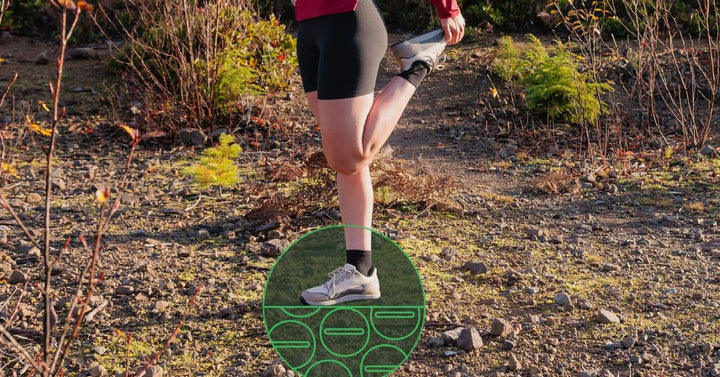
As those happen, the arch lowers a bit - not because it’s “collapsing”, but because it’s acting like a spring and a shock absorber.

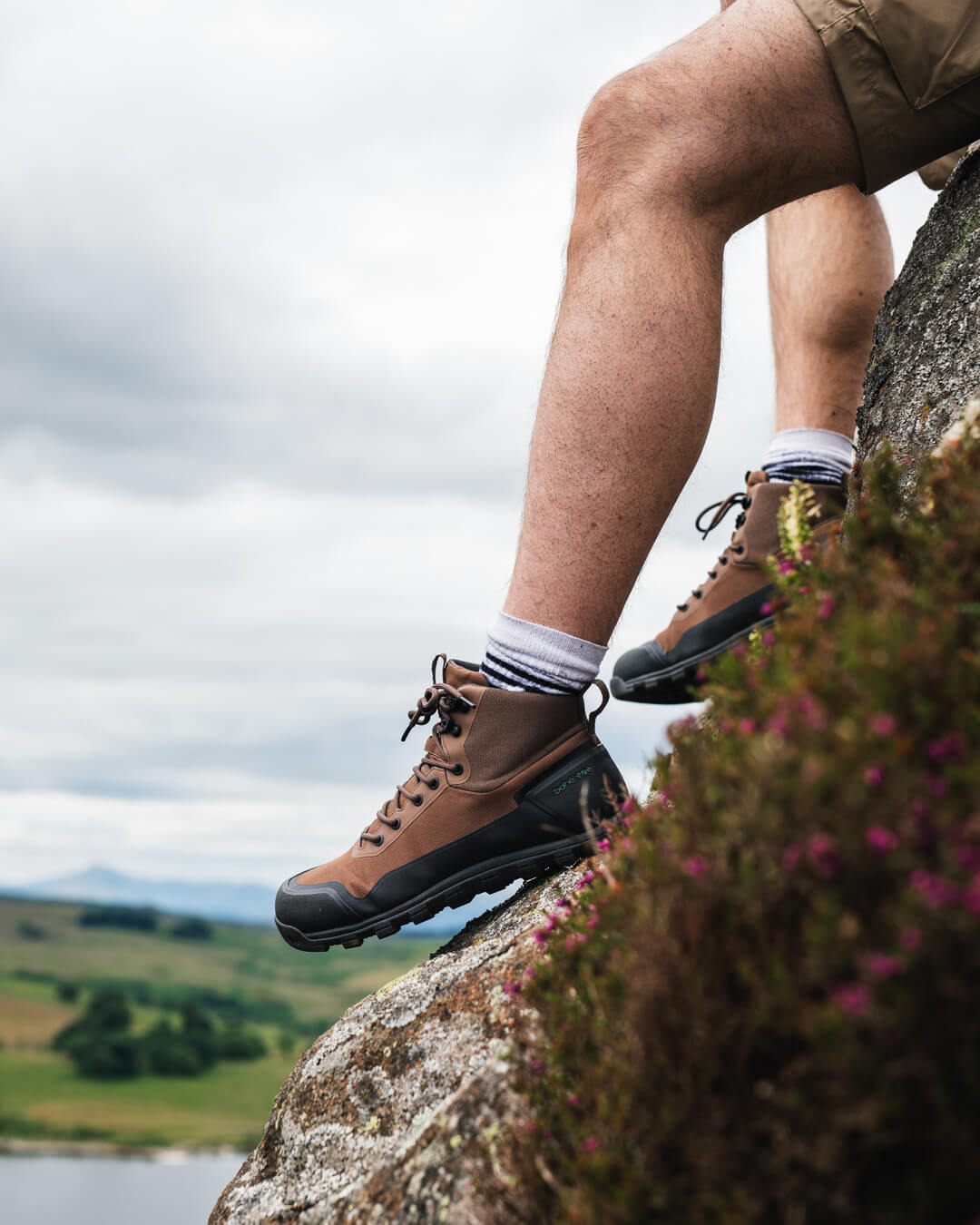
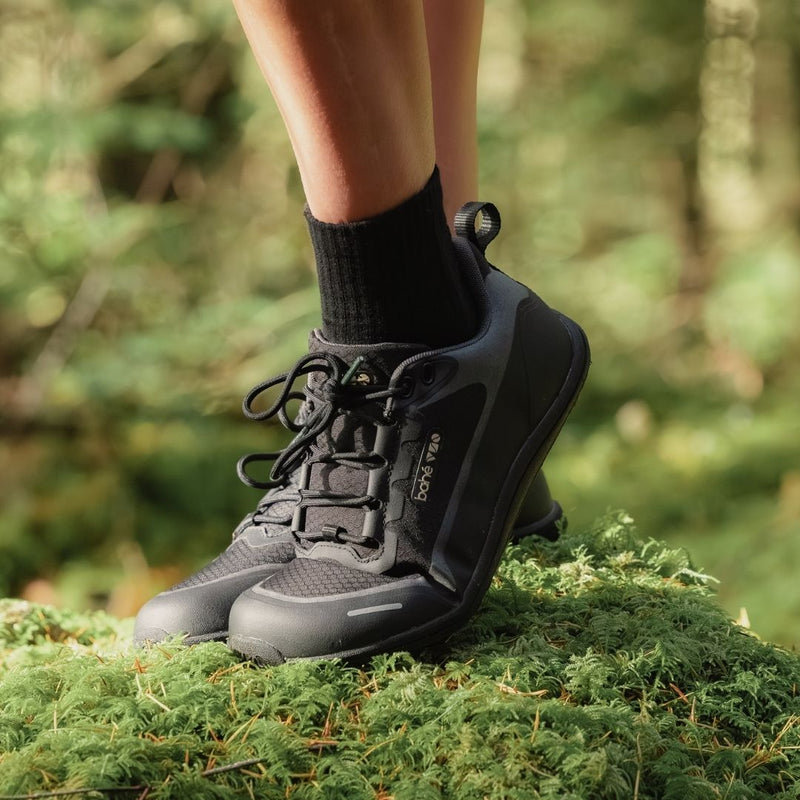
Person wearing black Bahé hiking shoes on a green forest floor

When does it happen when walking or running?

You’ll see the most pronation from first contact into the loading phase, as your body weight comes onto the foot, usually peaking around mid-stance (when you’re fully over that leg).

After that, most people naturally start to re-stiffen the foot for push-off (often described as re-supination) so it can work like a firmer lever.

A useful reminder: arches are meant to move. They lower and recoil with every step - and the amount can also change with fatigue, training load, and different surfaces.

68110211809664

Pronation vs “flat feet”

These terms get bundled together, but they’re not the same thing.

  • Flat feet usually describes what your arch looks like when you stand.
  • Pronation describes a movement pattern under load.

You can have a lower-looking arch and pronate very little. You can have a higher-looking arch and pronate a lot. So if you’ve been told your foot posture is a problem purely because it looks “flat”, I’d pause. Shape is information - it’s not a verdict.

Person exercising in a gym with weights and exercise equipment in the background

When is pronation actually a problem?

For most people, pronation is just part of normal walking and running. It tends to become relevant when there’s a mismatch between load and capacity (Kalkhoven et al., 2020; Soligard et al., 2016).

That mismatch often happens after a change like:

  • a jump in walking or running volume (Nielsen et al., 2012)
  • more hills, more speed, or more time on hard surfaces (Soligard et al., 2016)
  • a sudden footwear change
  • returning after time off
  • long periods of standing on tired legs

In clinic, I see a common pattern: people do the “right” thing (more natural footwear, more movement, more strength work) but at the wrong intensity. The fix is rarely “stop forever”. It’s usually scale the input and rebuild capacity step by step.

So instead of obsessing over whether your foot “rolls in”, I’d look at coping signals:

  • Is pain limiting you?
  • Do symptoms worsen across days (not just within one session)?
  • Is it one-sided, new, or escalating week to week?
  • Is there swelling, heat, numbness, or a sudden shape change?

If yes, it’s worth getting assessed. Not because pronation is “bad”, but because your symptoms deserve a proper plan (NHS Scotland MSK Pathway).

68110114128256

The pain patterns people often blame on pronation

Pronation doesn’t automatically cause pain. But when tissues are overloaded, some common “where it shows up” areas include:

  • soreness on the inside of the foot or ankle
  • arch fatigue that lingers into the next day
  • the knee feeling like it “falls in” under load
  • shin or calf tightness that escalates when volume spikes

A quick reality check: those patterns can have multiple drivers - training load, calf strength, hip control, recovery, footwear, stress. So don’t self-diagnose from a checklist. Use it as a prompt to look at dose and progression (Nielsen et al., 2012).

68110211973504

What to do if pronation seems linked to discomfort

First - you don’t need to “stop pronating”. If things are feeling off, it’s usually a load problem - how much, how soon, how often. The aim is simple: feel the same or better across days.

Here’s the order I use:

  1. Turn the volume down (briefly)
  2. Build back up in small steps
  3. Add the harder stuff last (hills, speed, uneven ground)
68110114292096

Step 1: Turn the volume down for 7–10 days

Pick one change and make it smaller:

  • Drop steps or running volume by 10–30%
  • Keep routes flatter for now
  • Split one long day into two shorter blocks
  • If footwear is new, use it for short bouts and keep your reliable pair for longer days

This isn’t failure. It’s how you get things calm enough to progress (Soligard et al., 2016).

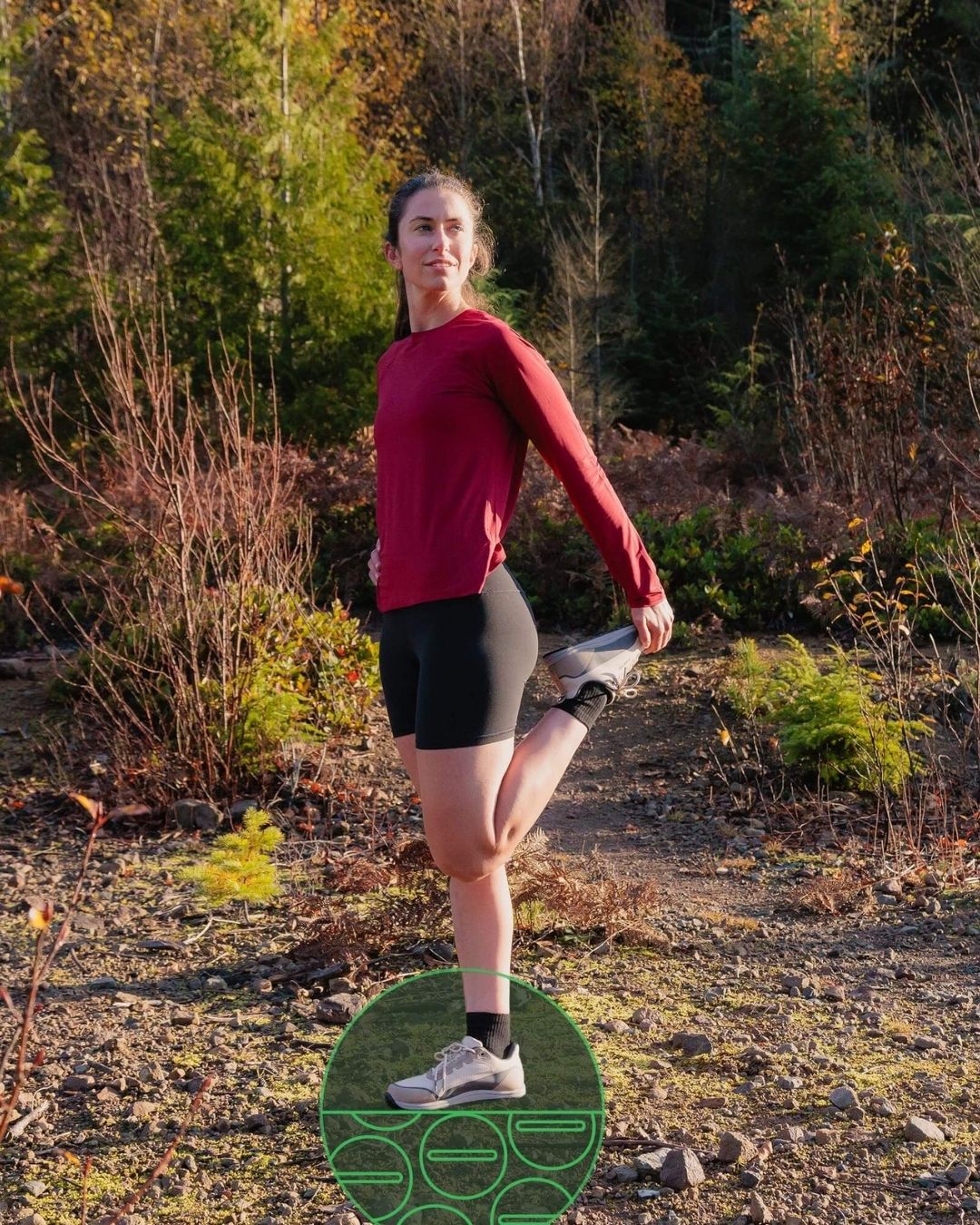
Two people running on a rocky trail in a forested area in the Rewild Shoes

Step 2: Build back up in small steps (progressive exposure)

Use this simple progression:

  • Add one variable at a time (distance or frequency or intensity)
  • Increase by a small amount (often 5–10%) and hold it for a few sessions
  • Watch the next morning, not just how it feels in the moment

If you want a structured strength plan alongside this, our next blog goes into exercises and progressions.

68044878250368

Step 3: Add complexity later (when you’re steady)

Once you’re getting the same or better across days, bring back one at a time:

  • Hills (short, controlled doses first)
  • Speed (a few short efforts, not a full session)
  • Uneven ground (brief exposures before long trails)

If you add one of these, keep everything else the same for that week.

How to tell if you’re progressing well

Green light: same or better next day - progress slightly

Yellow light: mild soreness that settles within 24 hours - keep things the same for a few sessions before increasing.

Red light: worse across days, sharp pain, swelling, or nerve symptoms - scale back and consider an assessment (NHS Scotland MSK Pathway).

68067578773888

Do you need arch support or anti-pronation shoes?

Humans evolved to move without shoes, let alone devices designed to control foot motion. So our baseline view is: you don’t need “anti-pronation” kit just because you pronate (Nielsen et al., 2014).

That said, support can be useful in a narrow window - mainly as a short-term comfort tool:

  • during a flare-up, if it helps you stay comfortably active
  • early in a return-to-activity phase, while things settle
  • during a transition period if you’re changing footwear and your feet are adjusting (Banwell et al., 2014).

If you’re working towards more natural foot function in foot-shaped, flexible, zero-drop shoes, the biggest win is usually how you transition. Don’t bin your old shoes overnight. Use them for longer or higher-load days at first, then phase them down gradually as your feet adapt.

Support can make things feel easier in the short term. If you rely on it full-time, you may miss the chance to rebuild the strength and tolerance that makes “natural” footwear feel good long term.

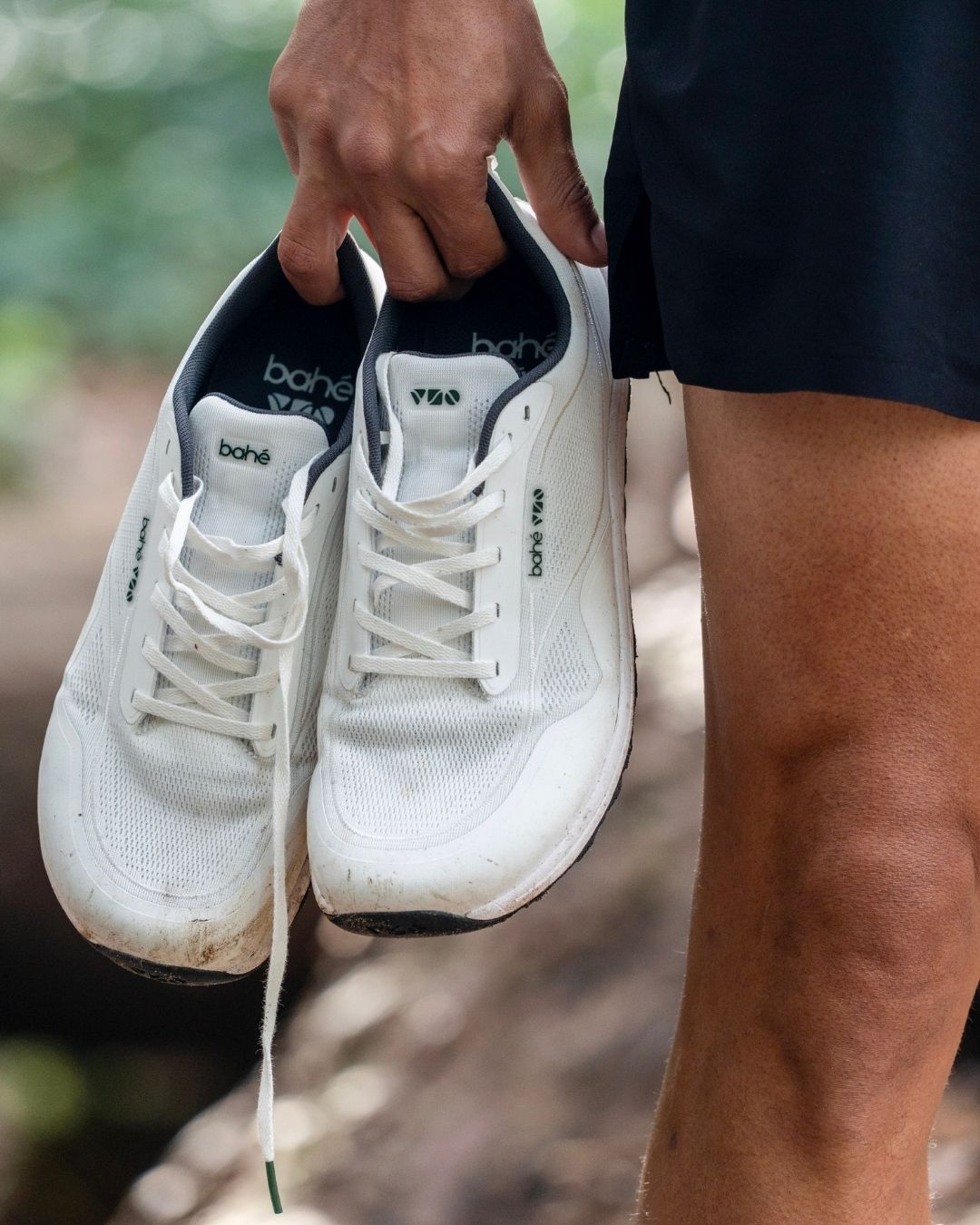
White sneakers with visible Bahé branding held by a person outdoors.

Footwear changes: treat them like training

Different shoes change what your feet have to do. If you switch quickly, tissues that haven’t been asked to work much can get sore.

If you’re moving towards barefoot-style footwear:

  • start with short bouts
  • keep your old shoes for longer days early on
  • increase slowly and judge it by how you feel later that day and the next morning (Warne & Gruber, 2017).

A bit of new muscle fatigue can be normal. If discomfort is building across days, that’s your cue to reduce the dose and build again.

68110212006272

When to get help

If pain is persistent, severe, or you’ve got a complex history, it’s worth getting individual assessment. What I share here is general education, not diagnosis.

Get checked sooner if you have:

  • swelling, redness, or heat
  • numbness/tingling, night pain, or sharp escalating symptoms
  • sudden one-sided change in foot shape

symptoms worsening week to week even after you reduce load (NHS Scotland MSK Pathway).

Take-home message

Pronation is normal. “Flat feet” is a shape description, not a diagnosis. What matters most is whether your feet are coping with the load you’re putting through them across days.

Take the Bahé Fit Quiz and we’ll send your starting point for comfort, cushioning (Modes), and a calmer transition plan.


Lauren is Head Physiotherapist at Bahé. She focuses on load management, adaptation, and translating biomechanics into practical guidance - calm, clear, and grounded in real life.

References

Banwell, H. A., Mackintosh, S., & Thewlis, D. (2014). Foot orthoses for adults with flexible pes planus: a systematic review. Journal of Foot and Ankle Research, 7, 23. Read the article

Kalkhoven, J. T., Watsford, M. L., & Impellizzeri, F. M. (2020). A conceptual model and detailed framework for stress-related, strain-related, and overuse athletic injury. Journal of Science and Medicine in Sport, 23(8), 726–734. Read the article

Nielsen, R. O., Buist, I., Sørensen, H., Lind, M., & Rasmussen, S. (2012). Training errors and running related injuries: a systematic review. International Journal of Sports Physical Therapy, 7(1), 58–75. Read the article

Nielsen, R. O., Buist, I., Parner, E. T., Nohr, E. A., Sørensen, H., Lind, M., & Rasmussen, S. (2014). Foot pronation is not associated with increased injury risk in novice runners wearing a neutral shoe. British Journal of Sports Medicine, 48(6), 440–447. Read the article

Soligard, T., Schwellnus, M., Alonso, J. M., et al. (2016). How much is too much? International Olympic Committee consensus statement on load in sport and risk of injury. British Journal of Sports Medicine, 50(17), 1030–1041. Read the article

Warne, J. P., & Gruber, A. H. (2017). Transitioning to Minimal Footwear: a systematic review of methods and future clinical recommendations. Sports Medicine – Open, 3, 19. Read the article

NHS Scotland MSK Pathway. Foot and ankle red flag guidance. Read the article

Leave a comment

Please note, comments need to be approved before they are published.

Alert me via email when this size/colour becomes available