Skip to content

Why Your Foot Has So Many Joints (And What That Means for Movement)

Bag
0

Why Your Foot Has So Many Joints (And What That Means for Movement)

Takeaway: Your foot isn’t a rigid block. Learn what those joints are doing when you walk and run - and how footwear can change your movement options.


A joint is simply where two bones meet. Some joints give you big movement, others just a few degrees - but together they’re what gives the foot options. Soft and adaptable when you need to absorb and adjust. Stiffer when you need a clean push-off.

In walking and running, those small shifts matter. They help the foot spread load, deal with uneven ground, and pass force up the chain without one area doing all the work. It’s less about chasing one ‘perfect’ foot position, and more about how the system shifts between flexibility and stiffness at the right time for the job
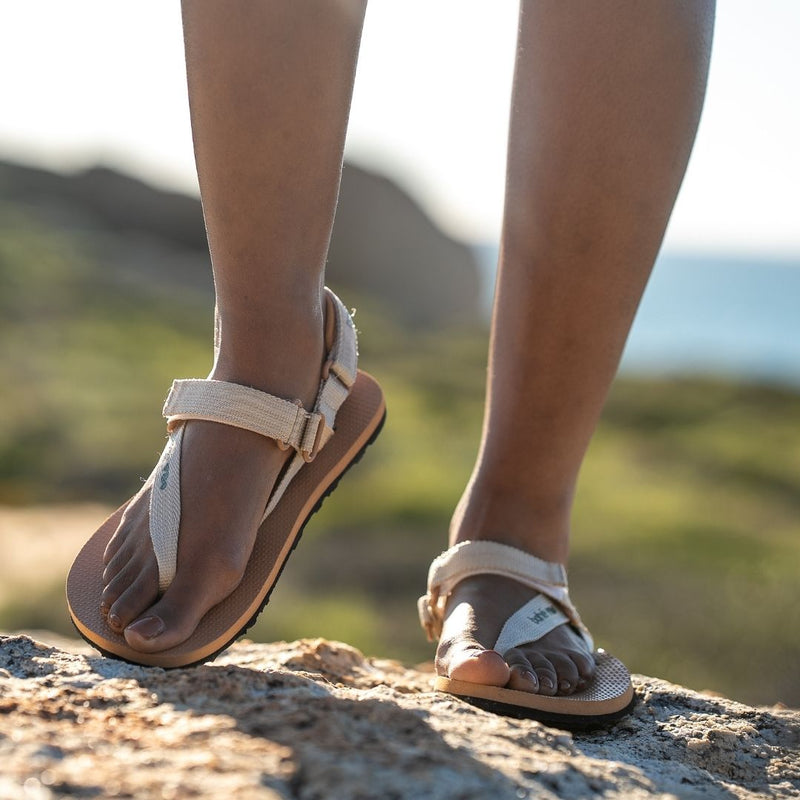
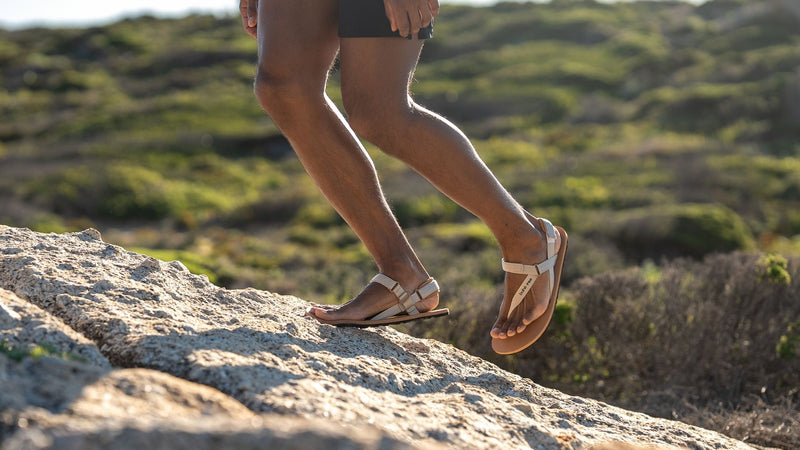


67778643001728

How many joints are in the human foot?

Most anatomy references put it at about 33 joints in each foot (Standring 2020). The exact count can vary slightly depending on what’s included, but the bigger point is the same: the foot is made up of many moving parts, not one stiff block.

67778643362176

Why does the foot have so many joints?

Lots of joints does not mean lots of movement all the time. It means load can be shared across many small interfaces, instead of one area having to do all the work.

That adaptability matters when the demands change - different surfaces, different speeds, different tasks, different amounts of fatigue (Standring 2020; Ker et al. 1987).

You can think of it as a system with “gears”. Sometimes the foot needs to yield and mould to the ground. Sometimes it needs to become a firmer lever.

67778643394944

What happens to foot joints when you walk and run?

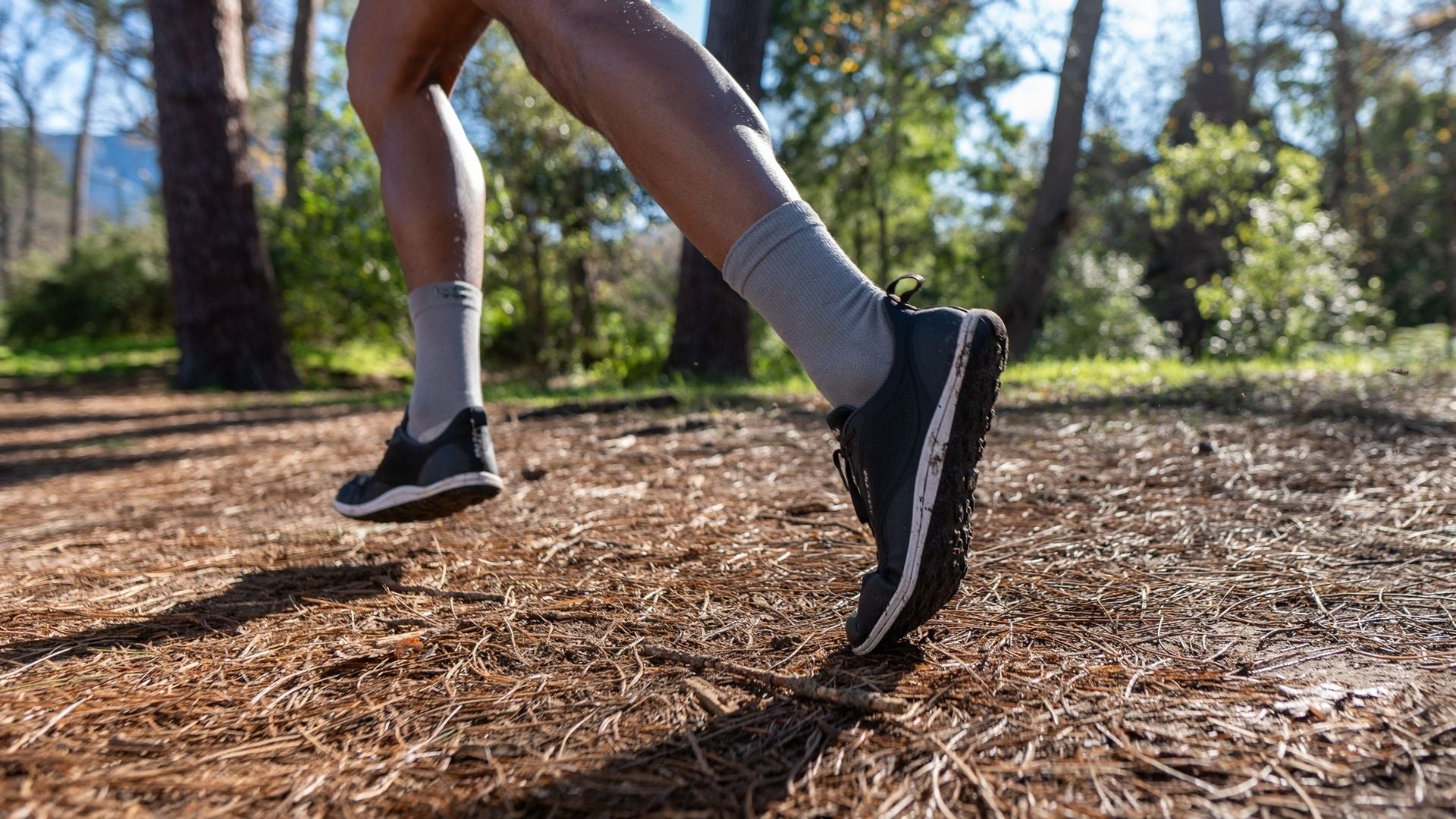
When you walk or run, joints in the toes, midfoot and rearfoot work together. At some points in the step the foot becomes more flexible, and at others it becomes stiffer (Ker et al. 1987). That timing helps the foot spread load, adapt to uneven ground, and pass force up through the rest of the body.

It’s rarely about one joint being “good” or “bad”. More often it’s about coordination - how the whole system behaves under the demands you place on it.

"A foot can look a certain way and still be strong and capable. What matters most is what it can tolerate, and how it adapts over time.”

Andy Bryant - Podiatrist

67778643034496

Does footwear change how the foot moves?

Shoes change the job your foot has to do.

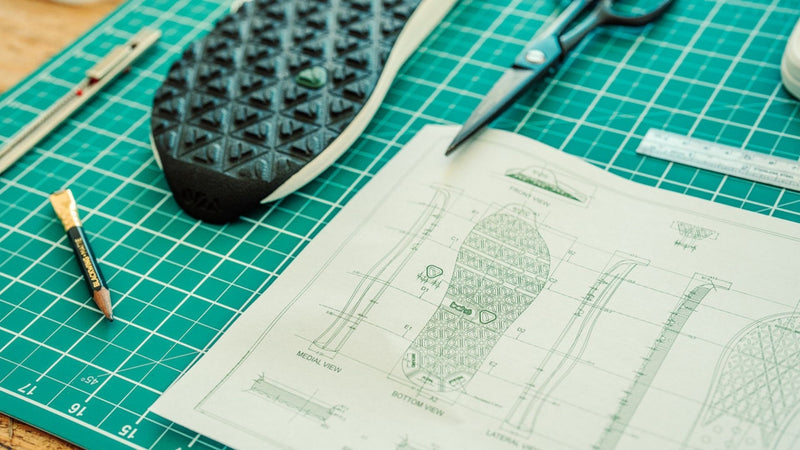
Change the sole stiffness, and you change how load is managed through walking and running - including where the work shows up in the foot and lower limb (Stefanyshyn & Nigg 2000). Add a narrow toe box, a rigid upper, or a raised heel, and you can make some movements harder to access, while others get “done for you”.

That matters because your foot adapts to its environment. There’s research linking long-term footwear habits with differences in foot shape/structure in some groups (Hollander et al. 2017). I don’t read that as “good shoe vs bad shoe”. I read it as a design responsibility: if the shoe always replaces function with structure, we train reliance. If we design from the foot first, we give the system a chance to contribute again.

"Footwear is a tool. The right choice depends on what you’re doing, your history, and what your tissues are ready for - not a one-size rule.”

Andy Bryant - Podiatrist

Is foot pain caused by shoes?

Usually, it’s not one thing.

Pain and injury risk are influenced by lots of factors including training load, tissue tolerance, past injury, sleep, stress, movement history and individual differences. Footwear is better seen as one variable that can influence how load is distributed - not a direct cause of health outcomes.

If you’re changing shoes or changing training, the useful answer is often the simple one: progress slowly, track symptoms across days (not minutes), and adjust the dose.

67754533814656

Footwear design as a movement choice, not a health fix

Footwear can’t do the work for your feet - but it can stop getting in the way.

If a shoe is always doing the stabilising, the foot gets fewer chances to spread, flex, sense the ground, and share load. Over time, it’s easy to end up relying on structure you didn’t choose - it just became normal.

A better aim is simple: give the foot back its options. Space to splay. A sole that bends when you bend. Enough feedback to move with a bit more awareness. Not as a “fix” - as an environment where your foot can start contributing again, step by step.

What the foot’s complexity tells us - and what it doesn’t

The foot is a clever, adaptable system - shaped by your anatomy, how you move, and the world you move through. It isn’t a rigid block - it’s designed to shift, stiffen, soften, and meet different demands (Ker et al. 1987).

Your foot is an incredible bit of engineering. Give it the right context and tools, and it can be enjoyable to explore regaining natural capacity - not overnight, but step by step.


Charlie is Head of Movement at Bahé. He blends research with lived experience to help people rebuild strong, functional feet and move with confidence - creating practical movement guidance, transition education, and simple routines people can actually stick to.

References

Hollander, K., De Villiers, J. E., Sehner, S., Wegscheider, K., Braumann, K.-M., Venter, R., & Zech, A. (2017). Growing-up (habitually) barefoot influences the development of foot and arch morphology in children and adolescents. Scientific Reports, 7, 8079. Read the Article

Ker, R. F., Bennett, M. B., Bibby, S. R., Kester, R. C., & Alexander, R. M. (1987). The spring in the arch of the human foot. Nature, 325, 147-149. Read the Article

Neal, B. S., Griffiths, I. B., Dowling, G. J., Murley, G. S., Munteanu, S. E., Franettovich Smith, M. M., Collins, N. J., & Barton, C. J. (2014). Foot posture as a risk factor for lower limb overuse injury: a systematic review and meta-analysis. Journal of Foot and Ankle Research, 7, 55. Read the Article

Standring, S. (Ed.). (2020). Gray’s Anatomy: The Anatomical Basis of Clinical Practice (42nd ed.). Elsevier. Link to the book

Stefanyshyn, D. J., & Nigg, B. M. (2000). Influence of midsole bending stiffness on joint energy and jump height performance. Medicine & Science in Sports & Exercise, 32(2), 471-476. Read the Article

Leave a comment

Please note, comments need to be approved before they are published.

Alert me via email when this size/colour becomes available