Skip to content

Improve Your Balance, Agility and Performance With Better Ground Feel

Bag
0

Improve Your Balance, Agility and Performance With Better Ground Feel

Why better ground feel can support balance, agility and performance - and how your feet influence the way you move in sport and everyday life.


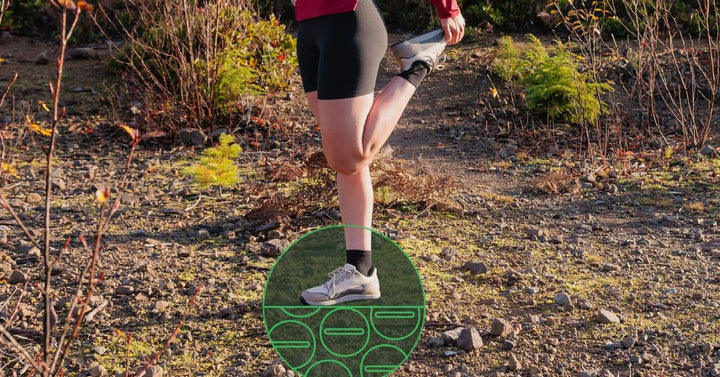
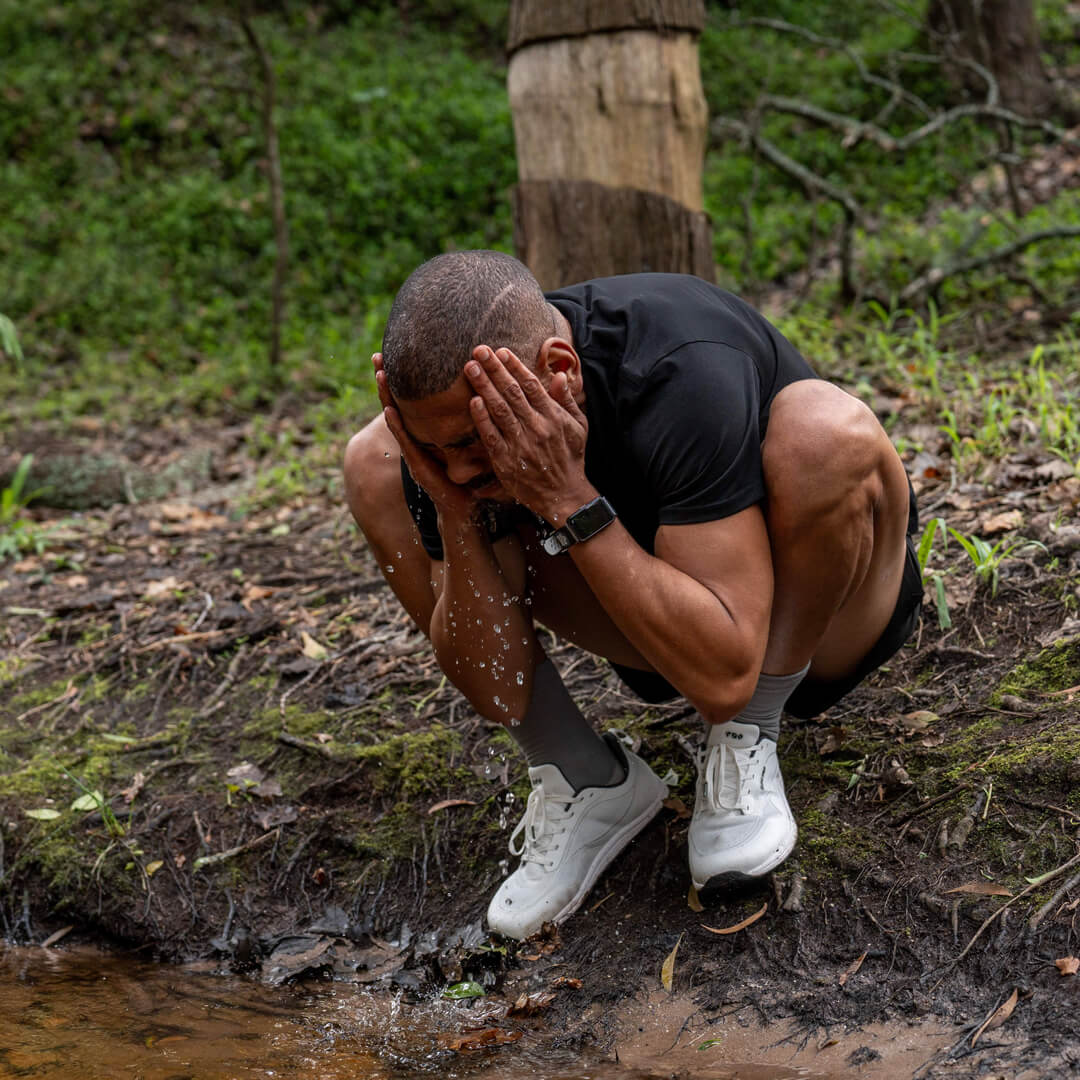
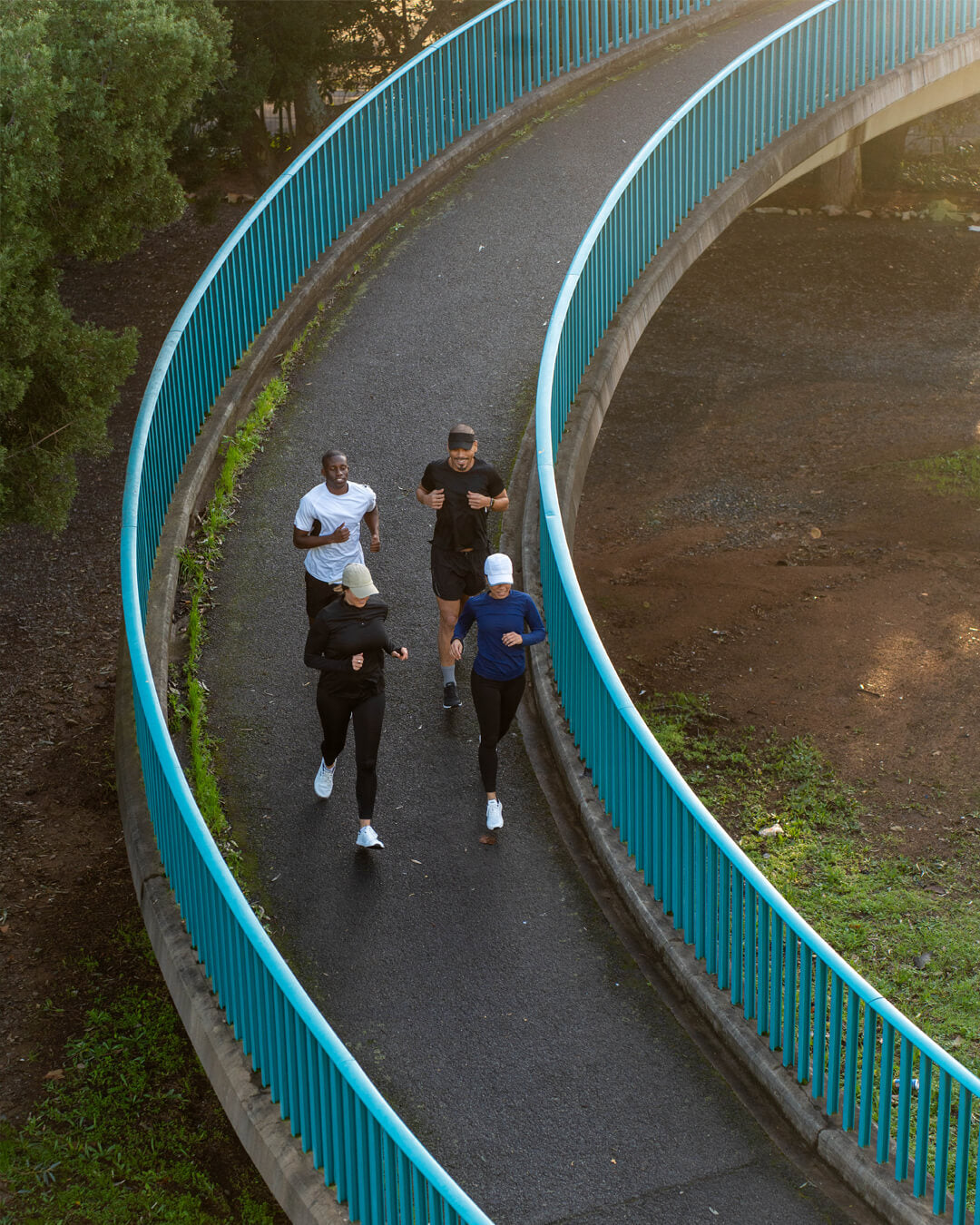
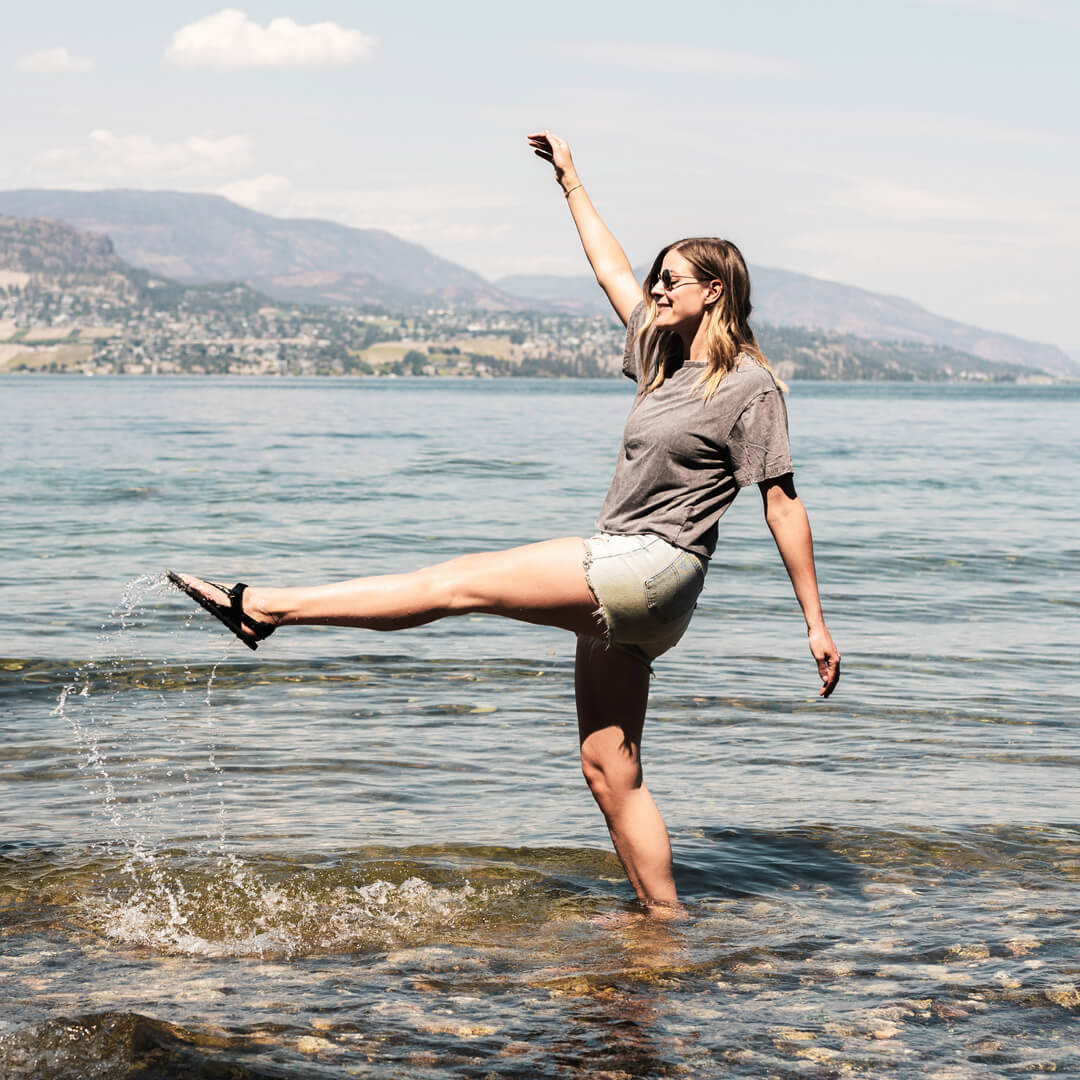
Three side-by-side images of a person running on grass

Balance is sometimes thought of as a more static skill, but really it is a fundamental part of almost all movement. Every time you cut, land, turn, accelerate, slow down, or change direction, your body is constantly organising itself over the ground. The feet sit right at the base of that process, which is why the quality of the feedback coming up from the ground matters so much for performance (Horak, 2006).

That is where ground feel comes in. When your feet can sense the ground clearly, they give the brain better information about pressure, position, and what is happening under you. That can help support balance, co-ordination, timing, and the kind of movement quality that matters in both sport and everyday life (Proske and Gandevia, 2012).

This post is part of our ground feel series. The thread running through all of it is simple: better signals can support better movement. Here, the focus is on what that means for balance, agility, and performance.

Why balance matters for performance

Balance is not just about being able to stand on one leg. In sport and training, it underpins how well you absorb force, control direction, and stay organised when the body is moving quickly (Paillard and Noé, 2020).

If you think about a sudden cut, a landing, a change of pace, or a turn under pressure, balance is part of all of it. It helps you control where your weight goes, how cleanly you transfer force, and how efficiently you respond to what is happening around you. Good balance is not static. It is dynamic, and it is constantly adjusting.

That is one reason it matters so much for performance. It is part of what helps movement feel controlled rather than reactive.

How do your feet influence balance and agility?

Your feet are your main contact points with the ground. They are constantly feeding information upward about pressure, position, and the surface beneath you, and that helps shape what the rest of the body does (Strzalkowski et al., 2018).

When the feet can sense the ground clearly, they often help support better timing and cleaner adjustments. That can make a difference in how you place the foot, how you organise yourself over it, and how confidently you move when direction or speed changes.

This is also why foot function matters so much. Toes that can spread, joints that can articulate, and muscles that can respond to the ground all contribute to the quality of the signal (Holowka and Lieberman, 2018). Better ground feel is not the whole story, but it is an important part of it, and something that we can easily incorporate into our lives.

Can barefoot shoes help prepare you for sport?

Barefoot shoes may be advantageous for people who play sport as they support improved foot function and sensory feedback (Ridge et al., 2013; Fuller et al., 2017). Naturally, certain sports have demands which mean specific footwear is needed. But footwear that lets the foot move and feel more can be a very useful way to build better awareness and better function.

This is often where barefoot shoes are most useful in a performance context. They can help prepare you for sport by improving how well the foot senses and responds.

A foot-shaped shoe with more direct ground feel can be excellent for drills, strength work, balance work, or simply spending more of your day with the foot able to function naturally.

Why do elite athletes spend time barefoot?

We are seeing this more and more, which is great. Balance work, Pilates, yoga, controlled strength work, and certain warm-ups are often done barefoot or in very minimal footwear.

Part of the reason is simple: it gives the athlete more feedback from the ground and allows the foot to do more of its own work. That can help improve awareness, control, and how well the body organises itself from the ground up (Proske and Gandevia, 2012).

Athletes are increasingly waking up to how ground feel and foot function can help performance through better sensory feedback, sharper foot placement, and a more active role for the foot in controlling movement. You also see some athletes spending time barefoot on the pitch or court before training or playing, simply to get a better feel for the ground.

How do you build better balance through ground feel?

Usually by making the foot a more active part of your movement again.

That might mean spending more time barefoot where practical, using foot-shaped footwear that lets your toes spread and the foot feel the ground more clearly, or doing strength and balance work in a setup that gives you more feedback from the floor. It can also mean simply paying more attention to the quality of your contact with the ground when you train. Pur earlier post, Why Feeling the Ground Helps With Balance, Control and Performance, gives the broader movement context for why that matters.

If your feet have spent years in tapered, heavily structured shoes, that process may take a little time. But for many people, even small changes in ground feel and toe freedom can make a noticeable difference to how connected and capable movement feels.

That fits very naturally with our wider vision at Bahé. Natural foot shape, better ground feel, and stronger foot function all support the same bigger goal: movement that is more responsive, more stable, and better co-ordinated.

FAQs

Does ground feel improve balance?
It can. From a physio point of view, balance depends on constant sensory updates coming in from the ground so the body can make small postural and positional adjustments (Horak, 2006). If the feet can sense pressure, contact, and changes underfoot more clearly, that can support the nervous system in organising balance more efficiently.

Can barefoot shoes help with agility?
They can help by improving foot awareness, toe function, and the quality of the sensory feedback coming up from the ground (Fuller et al., 2017). Agility depends on timing, foot placement, force transfer, and how quickly you can organise your body when direction changes, so anything that improves the quality of that feedback can be useful.

Why do athletes do balance work barefoot?
We are seeing this more and more because barefoot balance work often gives the athlete more sensory input from the floor and allows the foot to play a more active role in stabilising movement. From a physio perspective, it can be a useful way to train proprioception, balance control, and the small adjustments that dynamic movement depends on (Proske and Gandevia, 2012).

Are cushioned shoes bad for balance?
Not necessarily, but being closer to the ground can often help balance because you usually get clearer sensory feedback and a more direct connection with the floor (Robbins and Hanna, 1987). It is also worth remembering that many cushioned shoes come with toe spring, which can reduce how much the toes contribute, and a tapered toe box, which can limit toe spread and activation (Holowka and Lieberman, 2018). Those things can all influence how well the foot helps stabilise movement.

How can I improve balance through my feet?
Usually through a combination of better foot function, more useful sensory feedback, and footwear or training choices that let the foot move and feel the ground more naturally. Toe control work, foot strengthening, balance drills, and spending more time in foot-shaped footwear can all help. Our earlier post, Five Exercises to Restore Toe Mobility and Foot Strength, is a good practical place to start.


Lauren is Head Physiotherapist at Bahé. She focuses on load management, adaptation, and translating biomechanics into practical guidance - calm, clear, and grounded in real life.

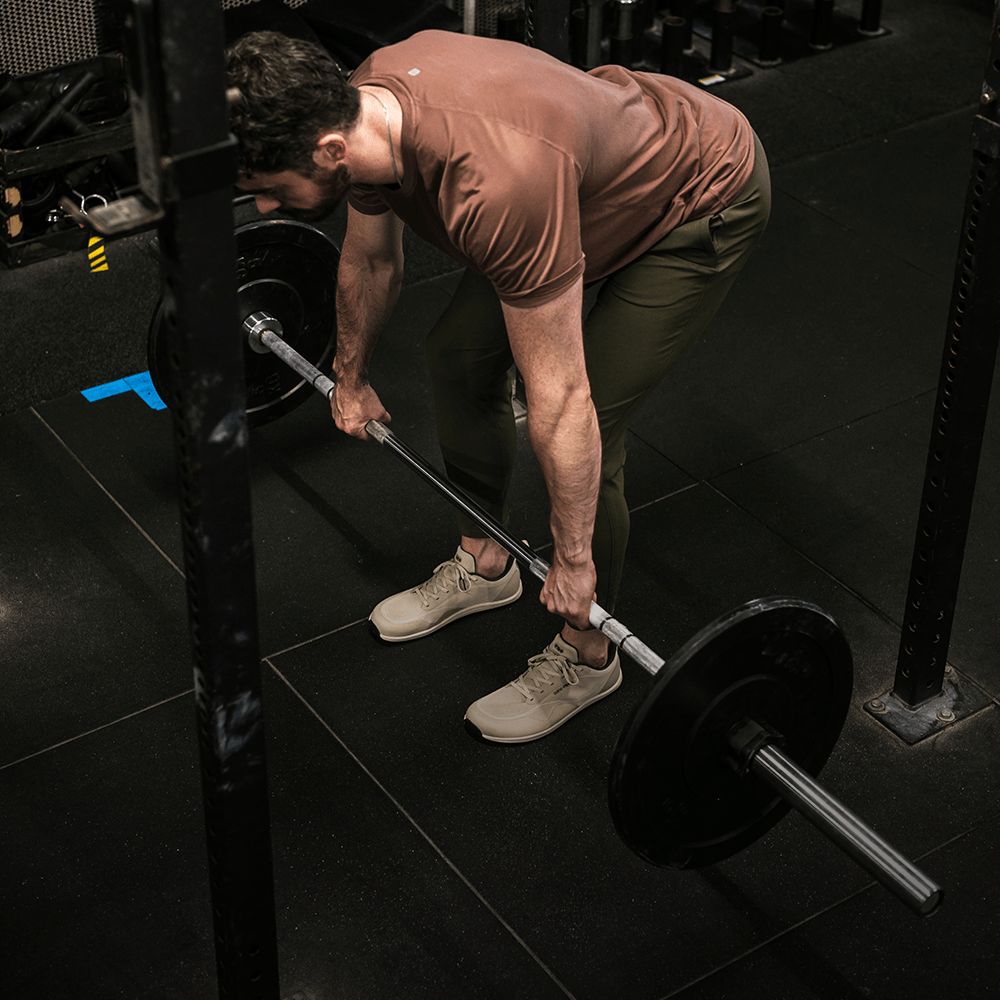
Person lifting a barbell in a gym setting wearing Bahé shoes

Mens Minimal Barefoot Shoes

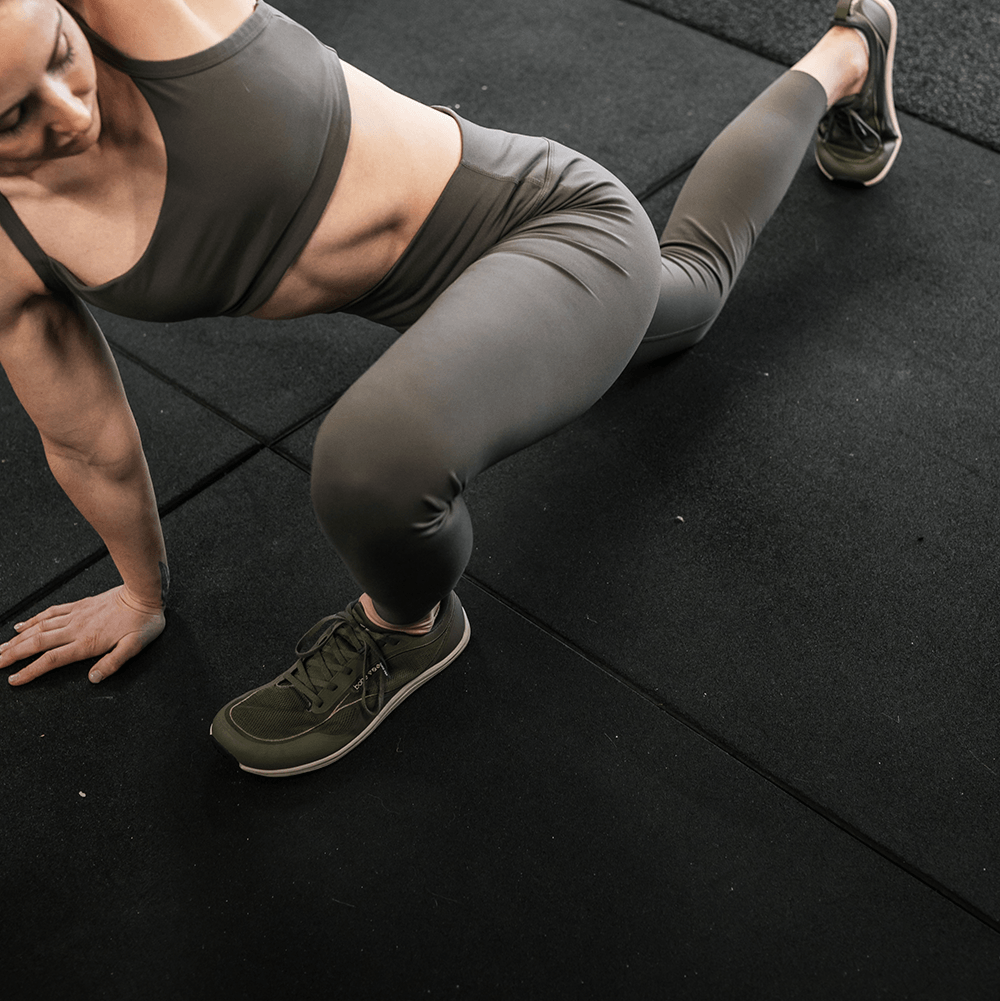
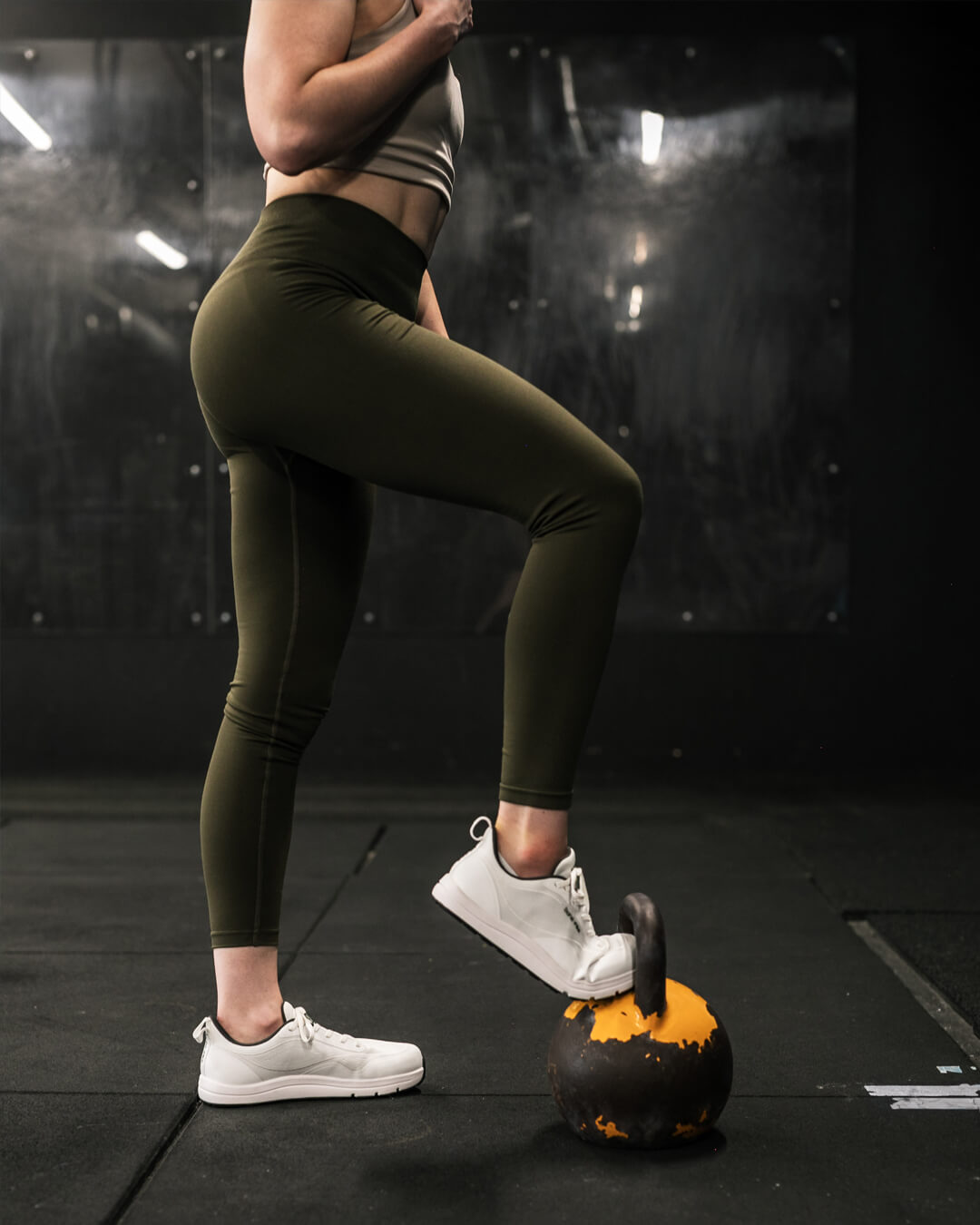
Person in athletic wear stretching on a black mat wearing Bahé shoes

Womens Minimal Barefoot Shoes

References

  1. Fuller, J.T., Thewlis, D., Tsiros, M.D., Brown, N.A.T. and Buckley, J.D. (2017) ‘Six-week transition to minimalist shoes improves running economy and time-trial performance’, Journal of Science and Medicine in Sport, 20(12), pp. 1117–1122. Read the article

  2. Holowka, N.B. and Lieberman, D.E. (2018) ‘Rethinking the evolution of the human foot: insights from experimental research’, Journal of Experimental Biology, 221(17), jeb174425. Read the article.

  3. Horak, F.B. (2006) ‘Postural orientation and equilibrium: what do we need to know about neural control of balance to prevent falls?’, Age and Ageing, 35(Suppl 2), pp. ii7–ii11. Read the article

  4. Paillard, T. and Noé, F. (2015) ‘Techniques and methods for testing the postural function in healthy and pathological subjects’, BioMed Research International, 2015, 891390. Read the article

  5. Proske, U. and Gandevia, S.C. (2012) ‘The proprioceptive senses: their roles in signaling body shape, body position and movement, and muscle force’, Physiological Reviews, 92(4), pp. 1651–1697. Read the article

  6. Ridge, S.T., Johnson, A.W., Mitchell, U.H., Hunter, I., Robinson, E., Rich, B.S. and Brown, S.D. (2013) ‘Foot bone marrow edema after a 10-week transition to minimalist running shoes’, Medicine & Science in Sports & Exercise, 45(7), pp. 1363–1368. Read the article

  7. Robbins, S.E. and Hanna, A.M. (1987) ‘Running-related injury prevention through barefoot adaptations’, Medicine & Science in Sports & Exercise, 19(2), pp. 148–156. Read the article

  8. Strzalkowski, N.D.J., Peters, R.M., Inglis, J.T. and Bent, L.R. (2018) ‘Cutaneous afferent innervation of the human foot sole: what can we learn from single-unit recordings?’, Journal of Neurophysiology, 120(3), pp. 1233–1246. Read the article

Leave a comment

Please note, comments need to be approved before they are published.

Alert me via email when this size/colour becomes available