Skip to content

Natural Walking: Why How You Walk Matters More Than You Think

Bag
0

Natural Walking: Why How You Walk Matters More Than You Think

Lauren is a registered physiotherapist with clinical experience in lower-limb and movement-related conditions. In this article, she draws on clinical reasoning and current movement science to explore how walking mechanics relate to everyday movement and load management.

Have you ever actually thought about how you walk? Most of us haven’t. Walking is automatic and something we do every day without much thought, until pain, stiffness, or fatigue show up. That’s often the moment people start questioning their feet, their shoes, or their movement as a whole.

But walking isn’t just a way to get from A to B. It’s a skill. Understanding natural walking mechanics can help your level of awareness of how comfortable you are and how much effort you put into your daily movement.
 

67746444738944

Walking is a Whole-Body Movement

Walking is often described as “putting one foot in front of the other,” but in reality it’s a coordinated, whole-body movement. Human gait involves coordinated movement of the foot, ankle, knee, hip, trunk, and arms (Winter, 2009).

Every step requires:

  • the foot interacting with the ground,
  • the lower-limb joints responding to load,
  • the trunk and arms contributing to balance and momentum.

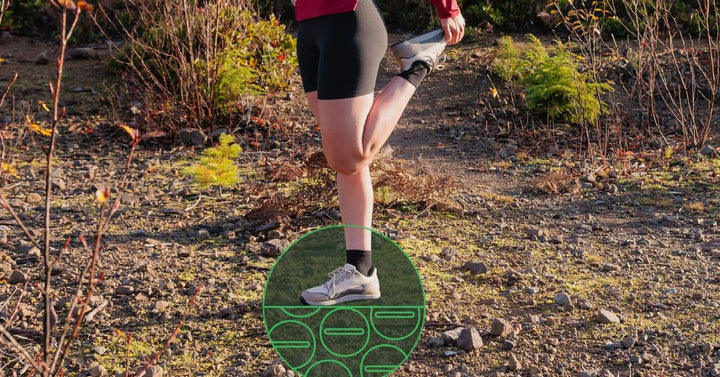
How the foot moves is linked to how other joints in the lower leg move and handle load. Limiting movement in the foot can be linked to changes at other joints.

“Natural movement is essential for long-term foot health. Our feet are designed to move, adapt, and respond to the ground beneath us, and footwear plays a huge role in either supporting or limiting that function. Shoes that allow natural foot motion, provide adequate space, and don’t overly restrict movement can help improve strength, balance, and overall body alignment.”

Eider Pérez de Caballero, Podiatrist

67746437824896

What Is Natural Movement When Walking?

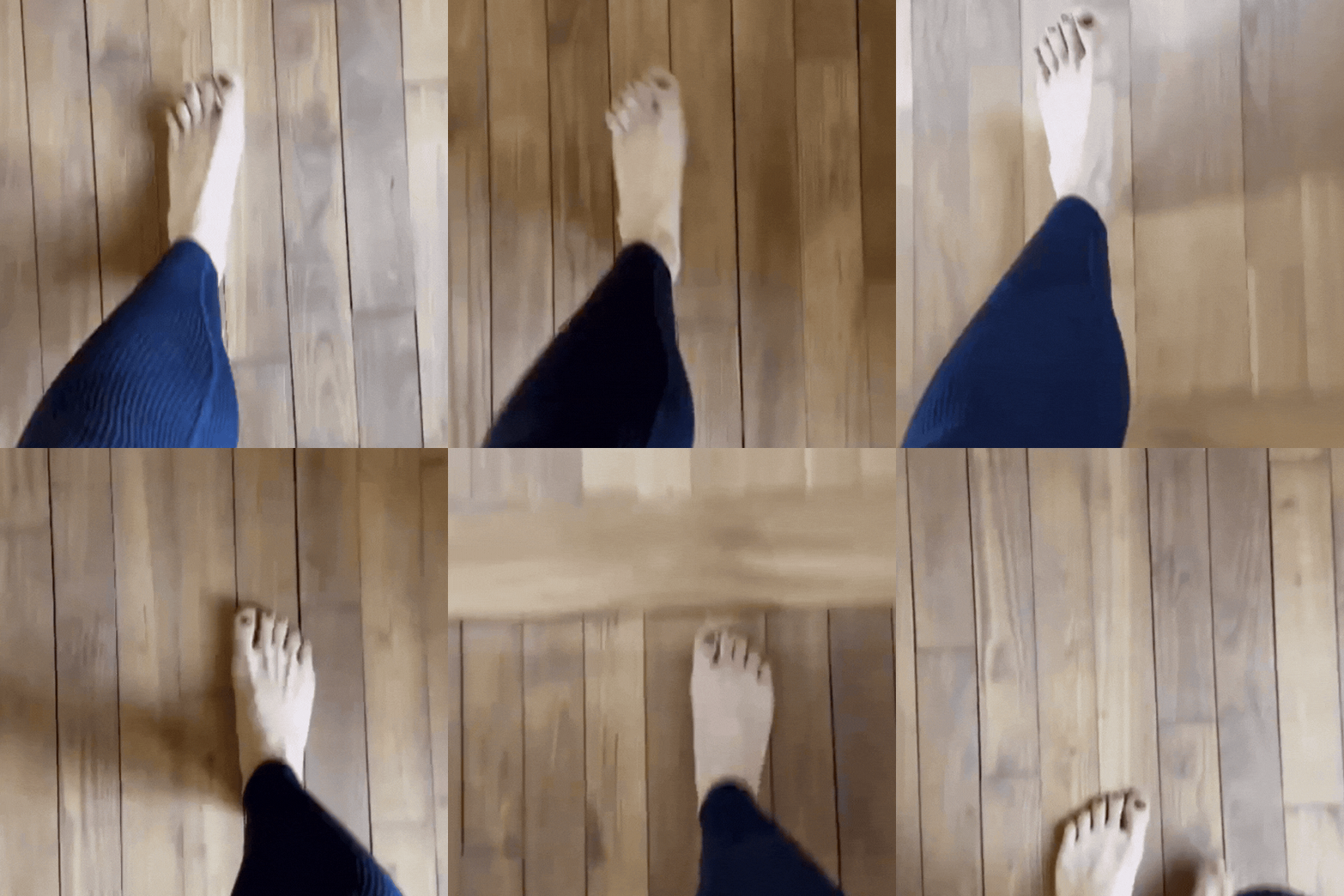
The term natural walking is used to describe a gait pattern that allows the foot, toes, and joints to move freely and respond to the ground with minimal external restriction.

Natural walking emphasises:

  • using all parts of the foot, not just the heel,
  • feeling the ground beneath you,
  • and allowing joints to move freely

This involves allowing the foot to move through a broader range of motion, rather than being held or overly cushioned into a single position.

What Does Natural Walking Look Like?

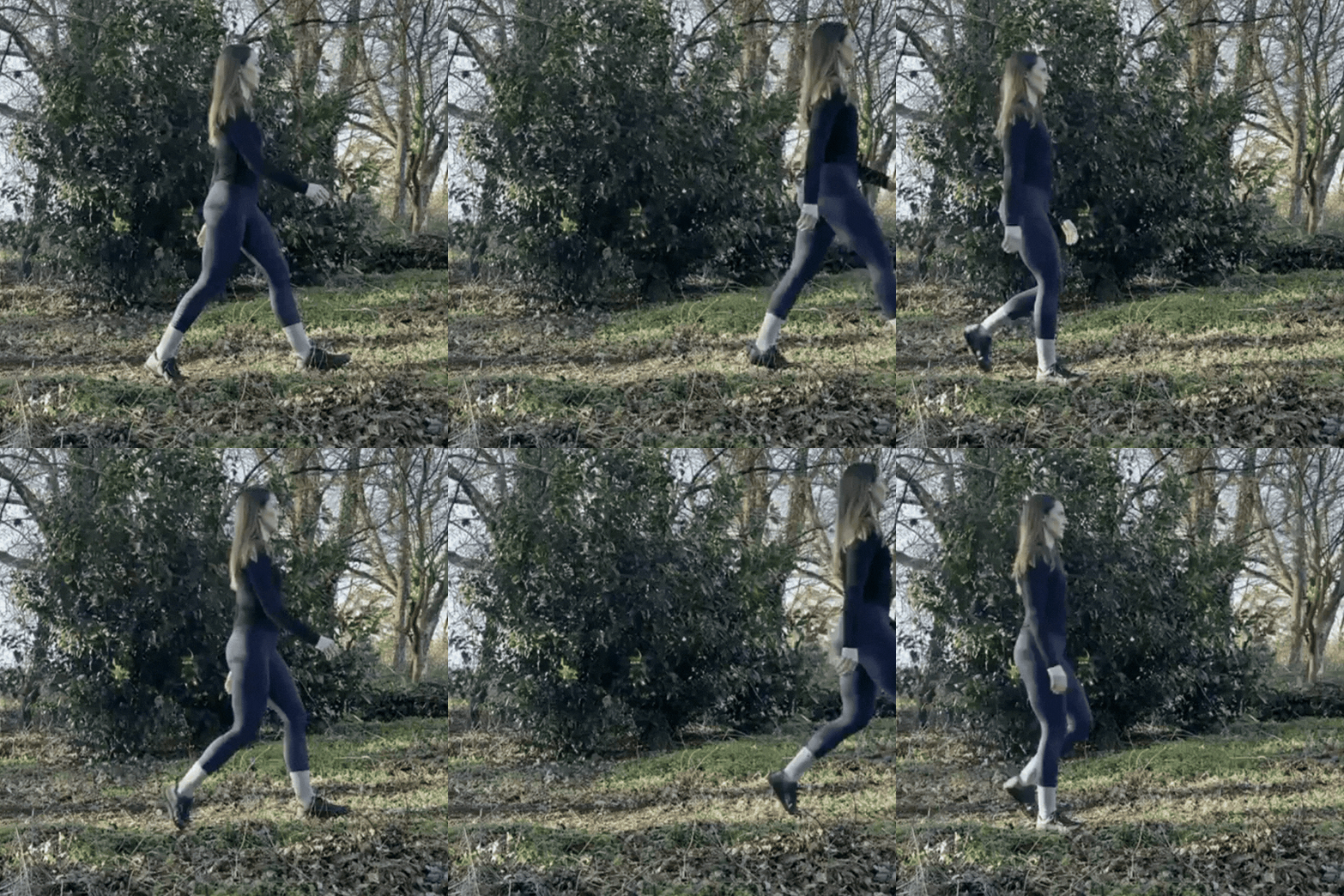
A natural walking pattern typically includes

  • gentle heel contact,
  • foot spreading under load,
  • arch responsiveness, and toe push-off.

Research comparing barefoot walking with walking in conventional footwear has shown differences in foot motion, joint angles, and sensory feedback when footwear is less restrictive (Franklin et al., 2015). These findings describe how gait mechanics can change under different conditions, rather than demonstrating superior outcomes or reduced injury risk.

67746159362432

Feet Are Designed to Move

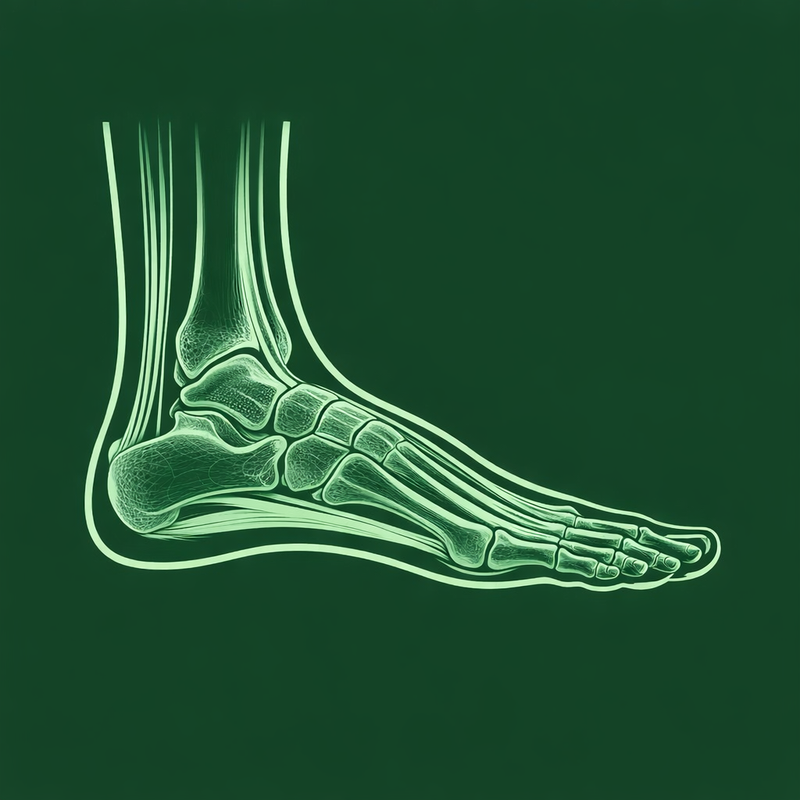
Feet are complex structures containing:

  • 26 bones,
  • multiple joints,
  • layers of muscles, tendons, and connective tissue.

This complexity allows the foot to move freely and respond to different loads and surfaces.

Over time, limiting foot movement has been linked to reduced activity in the small muscles of the foot, which may make the foot less responsive (Curtis et al., 2021).

Where Barefoot-style Footwear Fits In

67725084557696

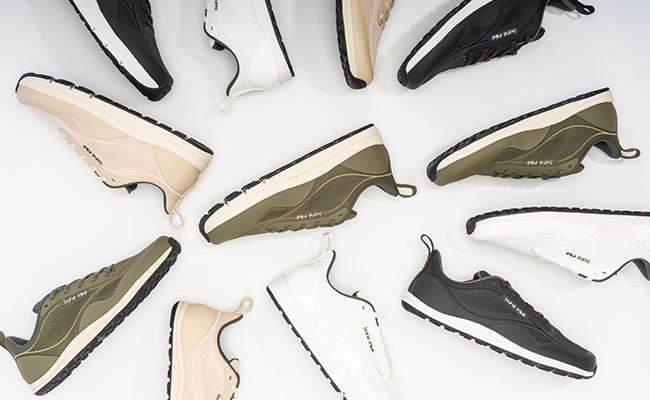
Footwear with flexible soles and wider toe boxes allows more variation in how the foot moves.

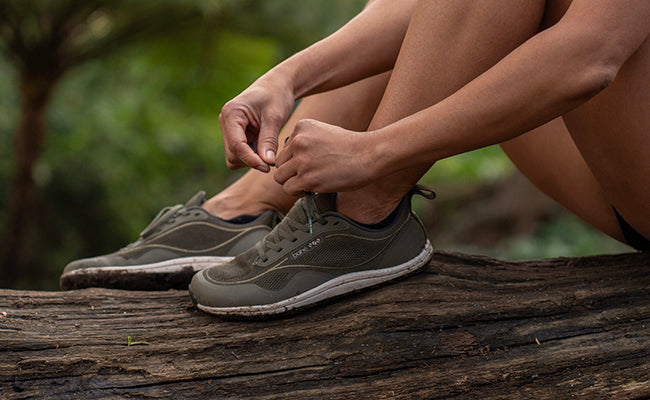
With more space for the toes, a flexible sole, and closer contact with the ground, barefoot-style shoes allow the foot to move and respond during walking.

Because this places greater mechanical demands on the feet and lower legs, allowing time for the body to adapt is important (Curtis et al., 2021).

Who Should Take Extra Care

People with existing foot pain, joint problems, or a long history of wearing supportive shoes may need to make changes more gradually and seek professional guidance when changing how they walk or what they wear.

Final Thoughts on Natural Walking

The way you walk matters more than many people realise. Walking is something we do every day, so even small changes can add up over time. Paying attention to how your feet move is a simple place to start.

Want to take the next step?

Watch Charlie, Head of Movement at Bahé, share five simple foot-strength exercises to help you start building strength and awareness.


Lauren is Head Physiotherapist at Bahé. She focuses on load management, adaptation, and translating biomechanics into practical guidance - calm, clear, and grounded in real life.

References

Franklin, S., Grey, M. J., Heneghan, N., Bowen, L., & Li, F.-X. (2015).Barefoot vs common footwear: A systematic review of the kinematic, kinetic and muscle activity differences during walking. Gait & Posture, 42(3), 230–239.🔗 Read the Article

Curtis, R., Willems, C., Paoletti, P., & D’Août, K. (2021).Daily activity in minimal footwear increases foot strength. Scientific Reports, 11, 18648.🔗 Read the Article:

Foot anatomy Manganaro, D. M., Dollinger, B., & Nezwek, T. M. (2023).
Anatomy, bony pelvis and lower limb, foot joints. StatPearls. StatPearls Publishing.
🔗 Read the Article

Robbins, S. E., & Hanna, A. M. (1987). Running-related injury prevention through barefoot adaptations. Medicine & Science in Sports & Exercise, 19(2), 148–156. 🔗 Read the Article (journal archive)

Franklin, S., Grey, M. J., Heneghan, N., Bowen, L., & Li, F.-X. (2015). Barefoot vs common footwear: A systematic review of the kinematic, kinetic and muscle activity differences during walking. Gait & Posture, 42(3), 230–239. 🔗 Read the Article

Leave a comment

Please note, comments need to be approved before they are published.

Alert me via email when this size/colour becomes available