Skip to content

Arch soreness in barefoot-style shoes: what it can mean (and what to d

Bag
0

Arch soreness in barefoot-style shoes: what it can mean (and what to do next)

If you’re new to barefoot-style shoes - or you’re thinking about switching - a bit of arch soreness can be part of the story. Most of the time it isn’t a sign you’ve “done damage”. It can be a sign your feet are starting to do more of their natural work again. The answer is usually not to chase a quick fix - it’s to start steady, build gradually, and let your body adapt.

If you’ve recently switched to barefoot-style shoes and you’re noticing a bit of arch soreness, you’re not alone, and in many cases it can simply be your feet adapting to a new way of loading and moving. In this guide, I’ll explain what barefoot shoes are (and why they can change the demands on your arches), why soreness can happen during a transition, what’s generally normal vs what’s worth keeping an eye on, the most common missteps that make it harder, and the practical next steps to help you ease in smoothly and confidently.
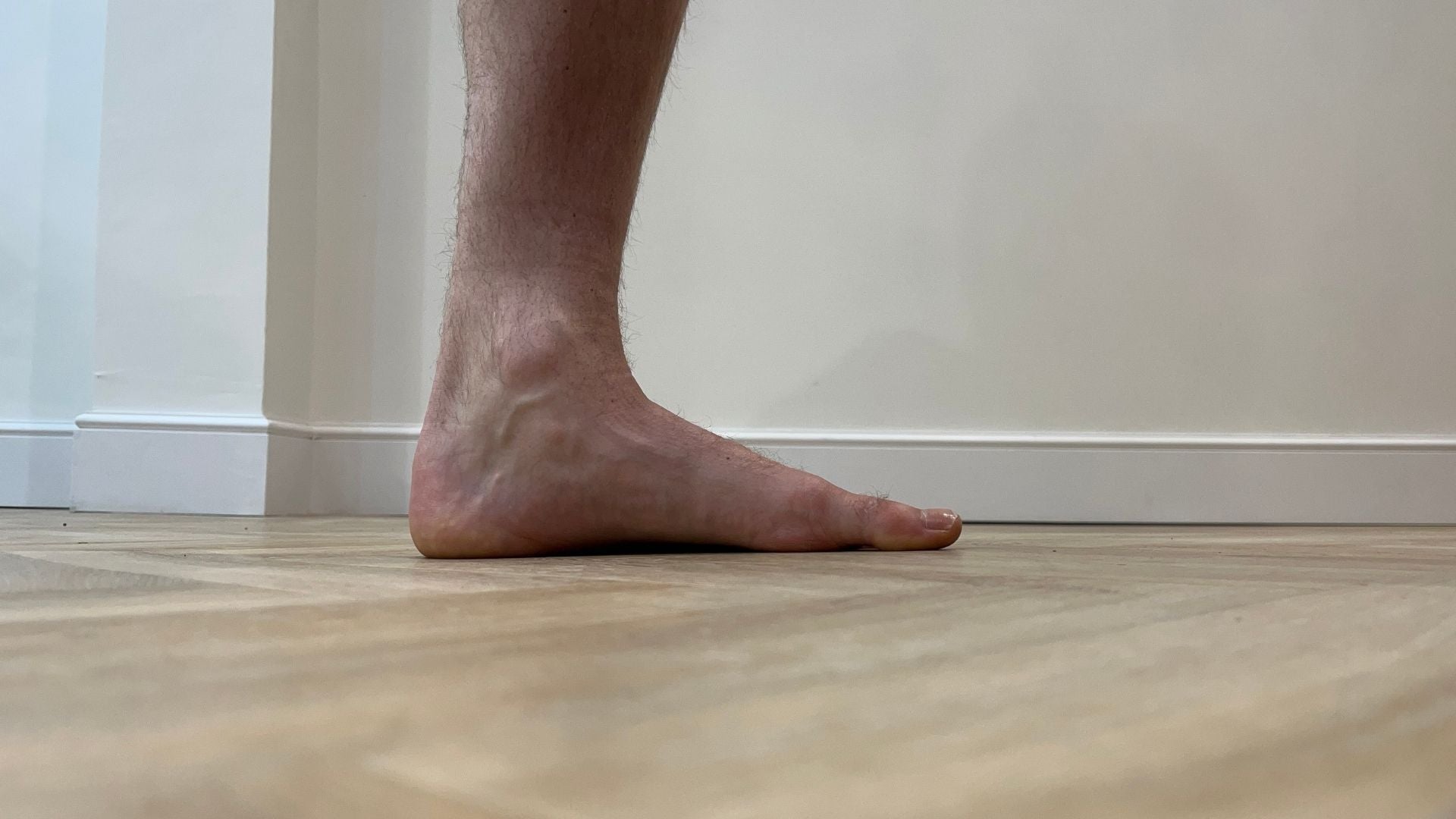
If you want the bigger context on arches and “flat feet”, start here: Flat feet and arches: what your arch actually does (and why shape isn’t a diagnosis).

What barefoot-style shoes change - and why that’s the point

68211786187136

No built-in arch support

We don’t build a raised arch into the shoe - on purpose. Your arch isn’t meant to be held in one “correct” shape all day. It’s meant to lower and spring back as you walk and run, so it can adapt to the ground and share load (Ker et al., 1987; Kelly et al., 2014). When you take away rigid arch shaping, your foot gets to move and organise itself more naturally. The key is giving it time to build that strength again, rather than expecting it on day one.

68211786285440

A wide toe box

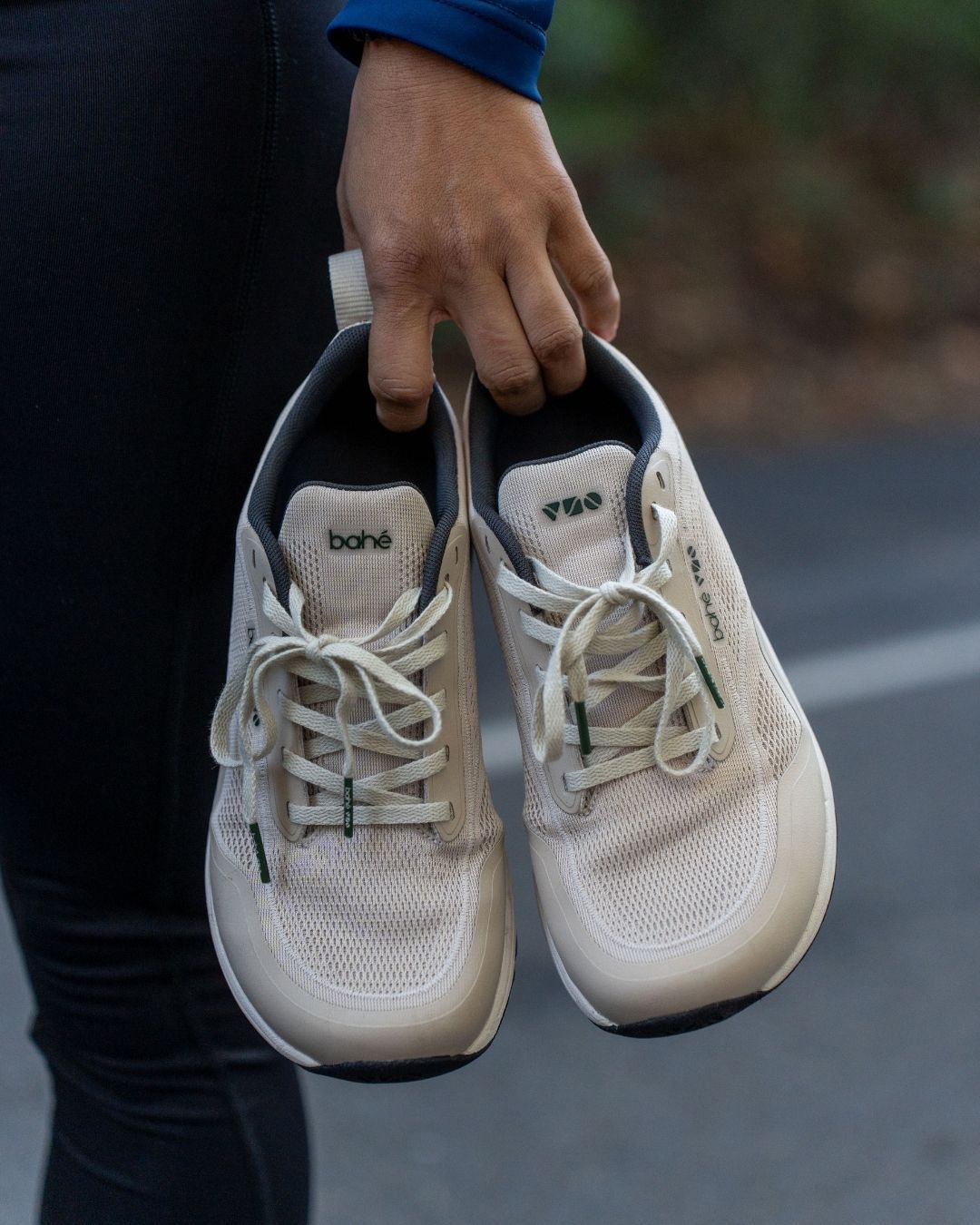
Most shoes taper at the front. That pushes your toes inwards and can limit how the forefoot spreads and loads. A wide toe box does the opposite - it gives your toes space to spread, grip and balance the way they’re meant to. For many people, that’s the moment it clicks - you feel more stable through the front of the foot, and your toes can actually do their share of the work.

68211786154368

Zero drop

Zero drop means heel and forefoot sit level. If you’re used to a raised heel, that can feel like a big change - because it asks more from the foot-and-calf system that’s been dialled down by heeled trainers (Sinclair, 2014; Bonacci et al., 2013). The upside is simple: it can support a more level, full-foot way of loading. The trade-off is you need to earn it gradually, so your arches and calves have time to adapt.

Overall, barefoot-style shoes give your feet space to move, and can support a more natural-feeling posture for some people. The key is giving your body time to adapt, so the tissues in your feet and lower legs are ready for the change in workload.

68211786252672
68211786023296

Why arch soreness happens when you switch

Barefoot-style shoes often increase:

  • how much your foot has to stabilise
  • how much your arch has to load and recoil (Ker et al., 1987; Kelly et al., 2014)
  • how much your calf and Achilles contribute (Sinclair, 2014)
  • how direct hard, flat ground can feel

So a bit of arch fatigue early on often means, simply: new job, new load.

68211786088832

What’s normal - and what’s a sign to dial it back

A normal early signal often looks like:

  • a tired, achy feeling through the arch
  • it settles within 24 hours
  • it doesn’t creep up week to week

Dial it back if:

  • it’s getting worse across days
  • you’ve stacked changes (new shoes + more steps + hills)
  • it’s shifting from general ache to a specific sore spot
68211786219904

The two biggest mistakes I see

1. Going all-in on day one

There’s a lot of positivity around barefoot shoes - and that’s a good thing. But if you want long-term benefits, it’s usually best to start slow. That might mean easing in your walking or running load, or - with Bahé - choosing a cushioning level that suits where your feet are right now. A good idea can become a bad experience when you stack too much change at once.

2. Treating soreness like something to push through

Discomfort is information - listen to your body. Sometimes it’s “new muscles waking up”. Sometimes it’s “tone it back”. The difference is what happens later that day and the next morning.

68211786318208

How to have the best experience with barefoot-style shoes

Build gradually (even if you’re already fit)

It’s normal to feel like your fitness is ahead of your feet at the start. You might be strong and well-trained, but barefoot-style shoes can wake up underused muscles and tissues in the feet and lower legs. So don’t expect to hold your usual training volume from day one. Give your body a runway to catch up.

Support the transition with a simple strength base

A bit of targeted work makes the switch smoother - especially for arches and calves.
Start here: Strengthen your arches without orthotics.

And if you want clarity on why pronation is normal and how it fits into this:
Also useful: Pronation and flat feet: what’s normal, what’s not.

Choose the Mode that matches your goal right now

We have different cushioning levels depending on your experience and activity:

  • Endurance - best if you want to keep training levels as steady as possible, or you want a smoother transition while your feet adapt.
  • Adapt - the middle ground if you want some cushioning, but a more barefoot feel.
  • Flex - best if you want the most immersive barefoot experience and you’re comfortable prioritising technique and a slower build.

Not sure which fits? Take the Bahé Modes Quiz.

68211785990528

Listen to your body (use the traffic lights)

It’s not a race - the goal is a sustainable transition.

  • Green light: feels fine later that day and next morning - add a small amount next time.
  • Yellow light: mild soreness that settles within 24 hours - keep it the same for a few sessions.
  • Red light: worse across days, sharp pain, visible swelling, new numbness/tingling, or a specific sore spot getting sharper - take a breather. If pain isn’t settling, is getting worse, or you’ve got a more complex history, it’s worth seeing a clinician. When things have settled, rebuild slowly, increasing one thing (distance or time, hills or uneven ground, or speed) at a time and listening to your body.

Take-home message

If you’re switching to barefoot-style shoes, you’re giving your feet a chance to do more of their natural work again - toes spreading, arches loading and springing, and the whole system getting stronger (Ker et al., 1987; Kelly et al., 2014; Sinclair, 2014). The trick is simple: start steady, build gradually, and let your body adapt. Do that, and you’re not just changing shoes - you’re rebuilding function for the long run.

68211786056064

FAQs

How long does arch soreness last when switching?
For many people it’s a short-term “new load” feeling that eases as the feet and calves adapt. If it’s worsening week to week, take that as a cue to reduce load and rebuild more gradually.

Should I add arch supports?
If your goal is to let the foot do more of its own work, rigid support can reduce the stimulus you’re trying to build. If symptoms persist or you’ve got a complex history, get personalised advice.

Is zero drop causing my arch pain?
Zero drop can increase demand through the foot-calf system if you’re used to a raised heel (Sinclair, 2014; Bonacci et al., 2013). The fix is usually dose - start smaller and build.

When should I stop and get checked?
If pain is sharp, worsening across days, visibly swollen, persistent, or comes with numbness/tingling - pause and consider seeing a clinician.


Alex is Co-founder and Designer at Bahé. With around 20 years’ experience in footwear, he leads the design and development of every product - from prototypes and materials testing to the details that shape fit, ground feel, and real-world performance.

References

Ker, R. F., Bennett, M. B., Bibby, S. R., Kester, R. C., & Alexander, R. M. (1987). The spring in the arch of the human foot. Nature, 325(7000), 147-149. Read the article

Kelly, L. A., Lichtwark, G., & Cresswell, A. G. (2014). Active regulation of longitudinal arch compression and recoil during walking and running. Journal of the Royal Society Interface, 12(102), 20141076. Read the article

Bonacci, J., Saunders, P. U., Hicks, A., Rantalainen, T., Vicenzino, B. G., & Spratford, W. (2013). Running in a minimalist and lightweight shoe is not the same as running barefoot: a biomechanical study. British Journal of Sports Medicine, 47(6), 387-392. Read the article

Sinclair, J. (2014). Effects of barefoot and barefoot-inspired footwear on Achilles tendon loading during running. Clinical Biomechanics, 29(4), 395-399. Read the article

Leave a comment

Please note, comments need to be approved before they are published.

Alert me via email when this size/colour becomes available