Skip to content

How Much Cushioning Do You Really Need In Your Shoes?

Bag
0

How Much Cushioning Do You Really Need In Your Shoes?

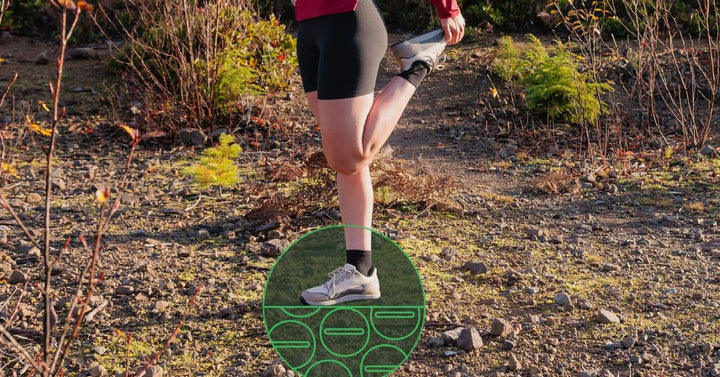
Cushioning affects ground feel, impact absorption, and flexibility. Whether that helps or hinders depends on you, the surface, and the activity.


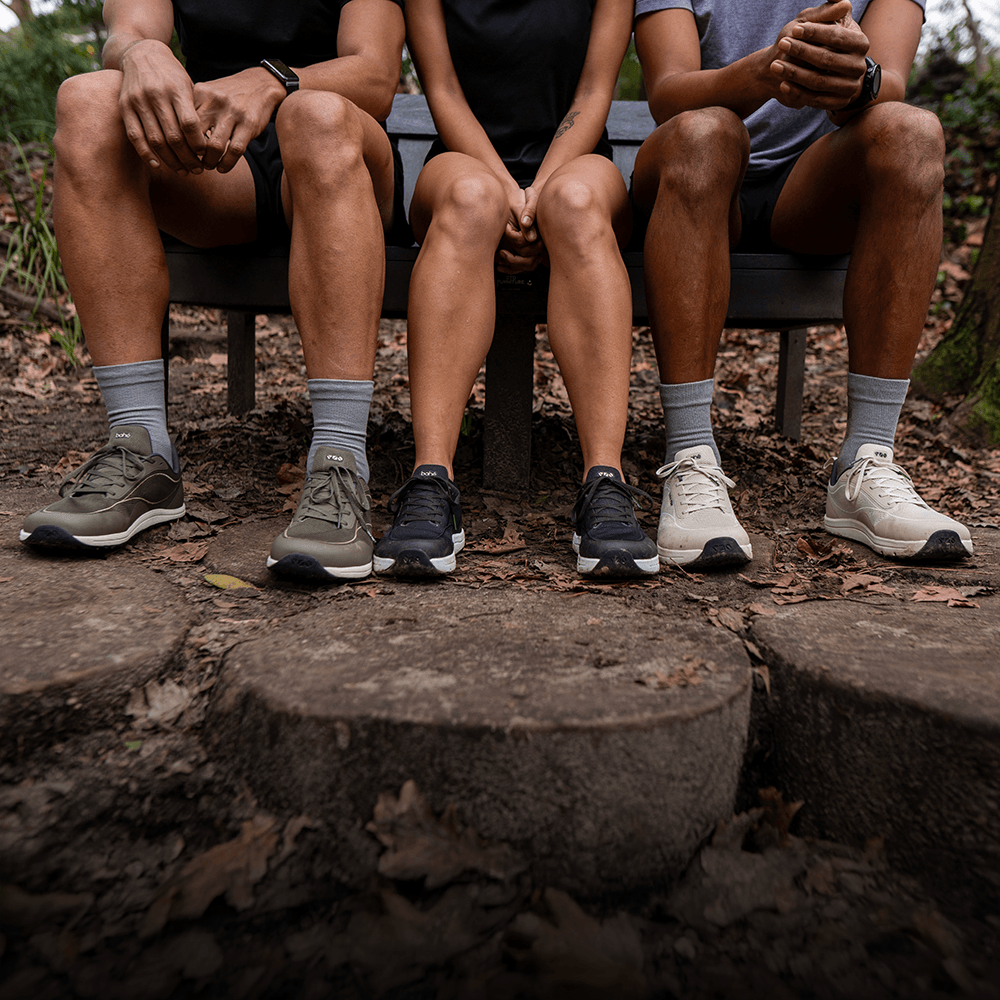
Bahé Modes Cushioning Levels

Cushioning is one of the most polarising topics in footwear, and it is a key consideration when designing the soles of our shoes. It changes what you feel underfoot, how much feedback comes through from the ground, and how much impact the shoe helps absorb (Nigg et al., 2015) - but what is right for you depends on various factors.

Sometimes achieving the least possible cushioning is idealised in the barefoot shoe space, and I get it. It allows better ground feel and a closer connection with the earth. But I also think it is a subject that is far more nuanced than that. The goal is not minimal shoes for the sake of it. When you are choosing footwear, it needs to be right for the requirements of the person wearing it - their current foot strength, the activity they are doing, and what they can actually wear consistently. That matters because people often get put off by going too minimal too soon, or by trying to be heroic in shoes that ask more of them than they are ready for at that point (Ridge et al., 2013).

This post is part of our ground feel series, and it matters because cushioning changes one of the big themes running through all of these posts: how much you can feel the ground beneath you, and how that affects how you move (Robbins and Hanna, 1987).

What influences the cushioning of a shoe?

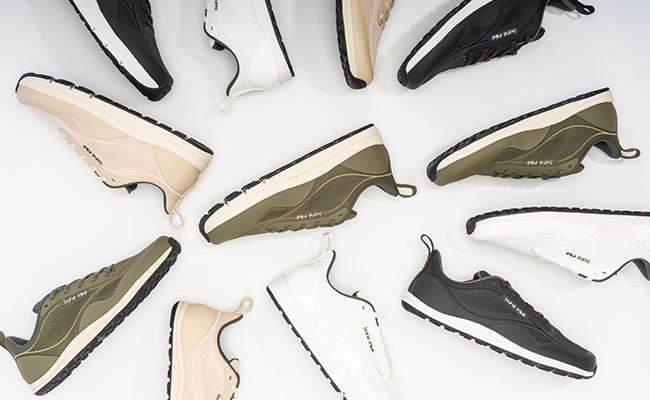
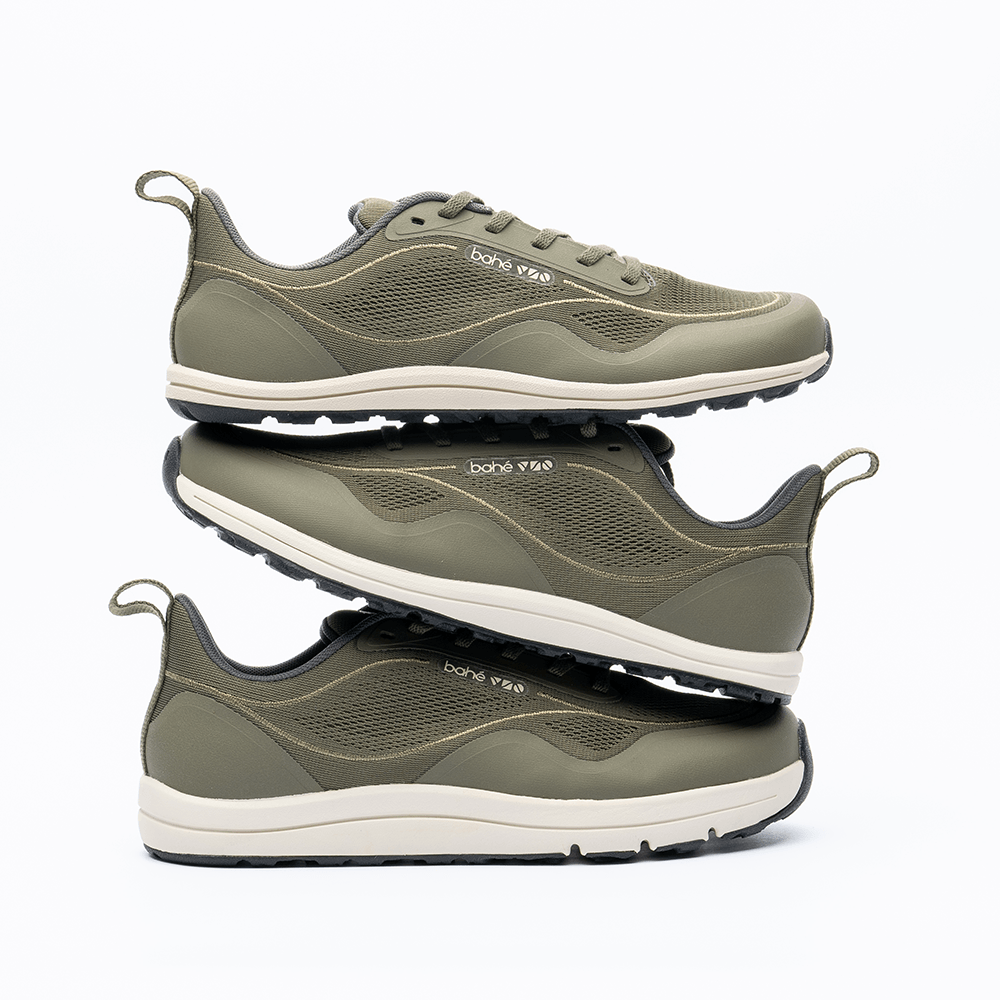
The main factor is the midsole, or in some cases the lack of one. In our range, that is one of the main things that separates the Modes. Flex has no midsole, which gives you the closest connection to the ground. Adapt uses a thin midsole which balances cushion with ground feel, and Endurance has a slightly thicker midsole, prioritising cushioning for impact absorption.

The next factor is the type of foam used in that midsole. We use a responsive EVA foam that is not overly soft, because very soft foams can feel unstable and blur the feedback coming from the ground (Nigg et al., 2015). The aim is to absorb impact where needed while keeping the shoe stable and connected.

Then there is the insole. We generally use a thin 3mm PU insole, which does not compress too much over time, so it stays responsive and allows for a good sense of ground feel. Our insole is also flat, which allows your foot to do more of its own work rather than being excessively supported.

The rubber outsole has some effect too, although its main job is grip. It contributes to durability, traction, and the final feel underfoot, but it is not usually a big driver of how cushioned a shoe feels.

What does cushioning actually change?

Cushioning mainly changes ground feel, impact absorption, and flexibility.

One of the biggest advantages of thinner soles is ground feel. When there is less material between your foot and the ground, your feet can read the surface more clearly. You feel more of the texture underfoot, more of the variation, and more of the small changes that help the body respond (Robbins and Hanna, 1987). That clearer feedback is one of the reasons many people enjoy more minimal shoes so much.

Cushioning also affects impact absorption. Your feet are capable of doing a lot of that work themselves, but there are situations where some extra cushioning is useful - particularly on flatter, harder surfaces or in higher-impact activities where the same loading pattern is repeated over and over. In those cases, cushioning can help soften some of the harshness and make the movement feel more sustainable (Nigg et al., 2015).

It also affects flexibility. More cushioning often comes with more structure, and when that happens the foot may not be able to move as naturally as it could in a thinner, more flexible shoe (Squadrone and Gallozzi, 2009). That is something we work hard on in our cushioned styles. Even where we include cushioning, we try to design the internal structure of the sole so the shoe stays as flexible as possible while still helping absorb impact where it is needed.

When does more ground feel help - and when does it not?

More ground feel can be brilliant when the surface itself is giving you useful feedback and your feet are ready to work with it.

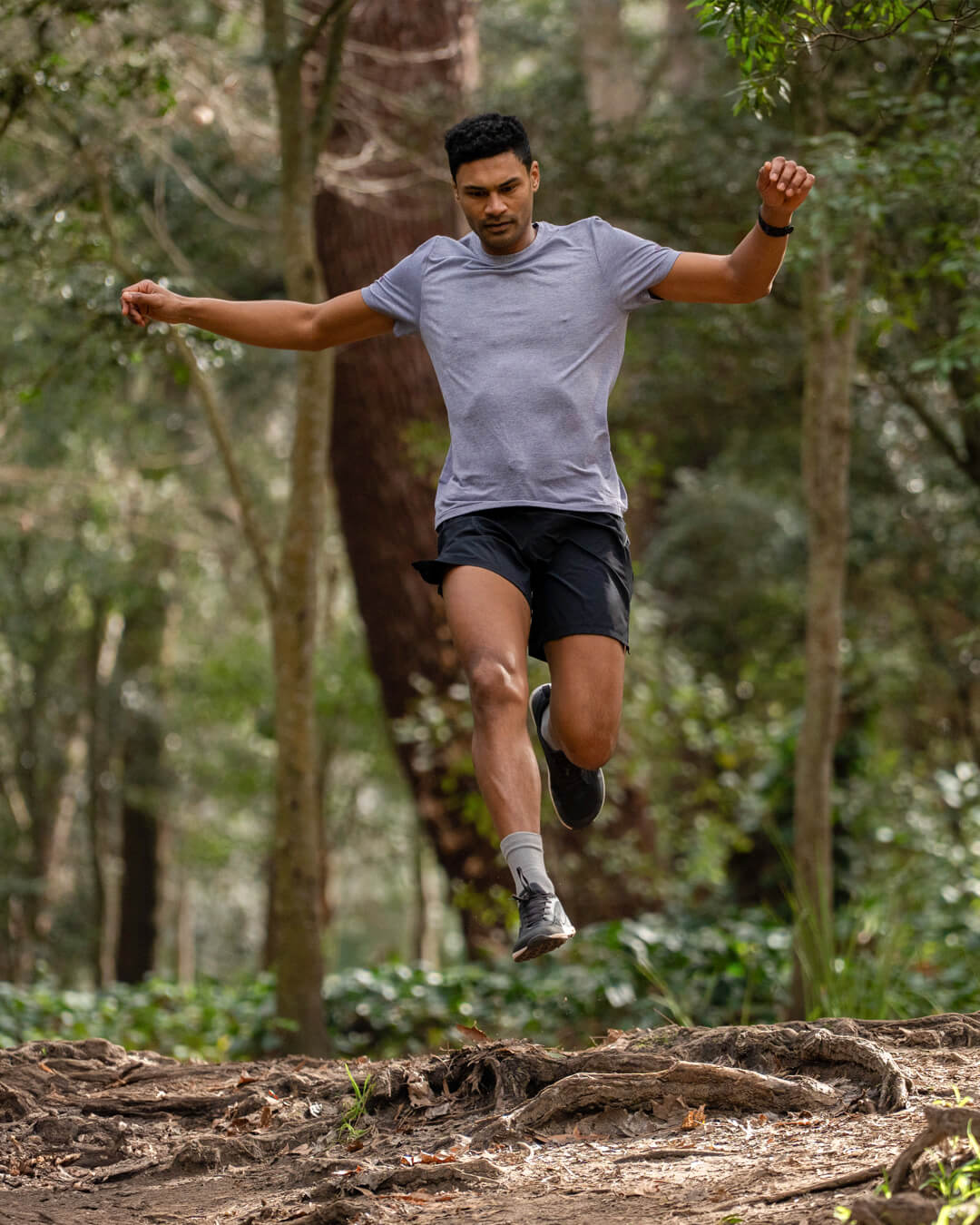
Walking on woodland paths is a good example. So is moving over varied terrain where the textures and small changes in the ground help wake the feet up and encourage more responsive movement. In those settings, feeling more of the ground often adds something genuinely useful. You feel more connected, your feet have more to respond to, and movement can feel more precise (Robbins and Hanna, 1987).

But not every context asks for the same thing.

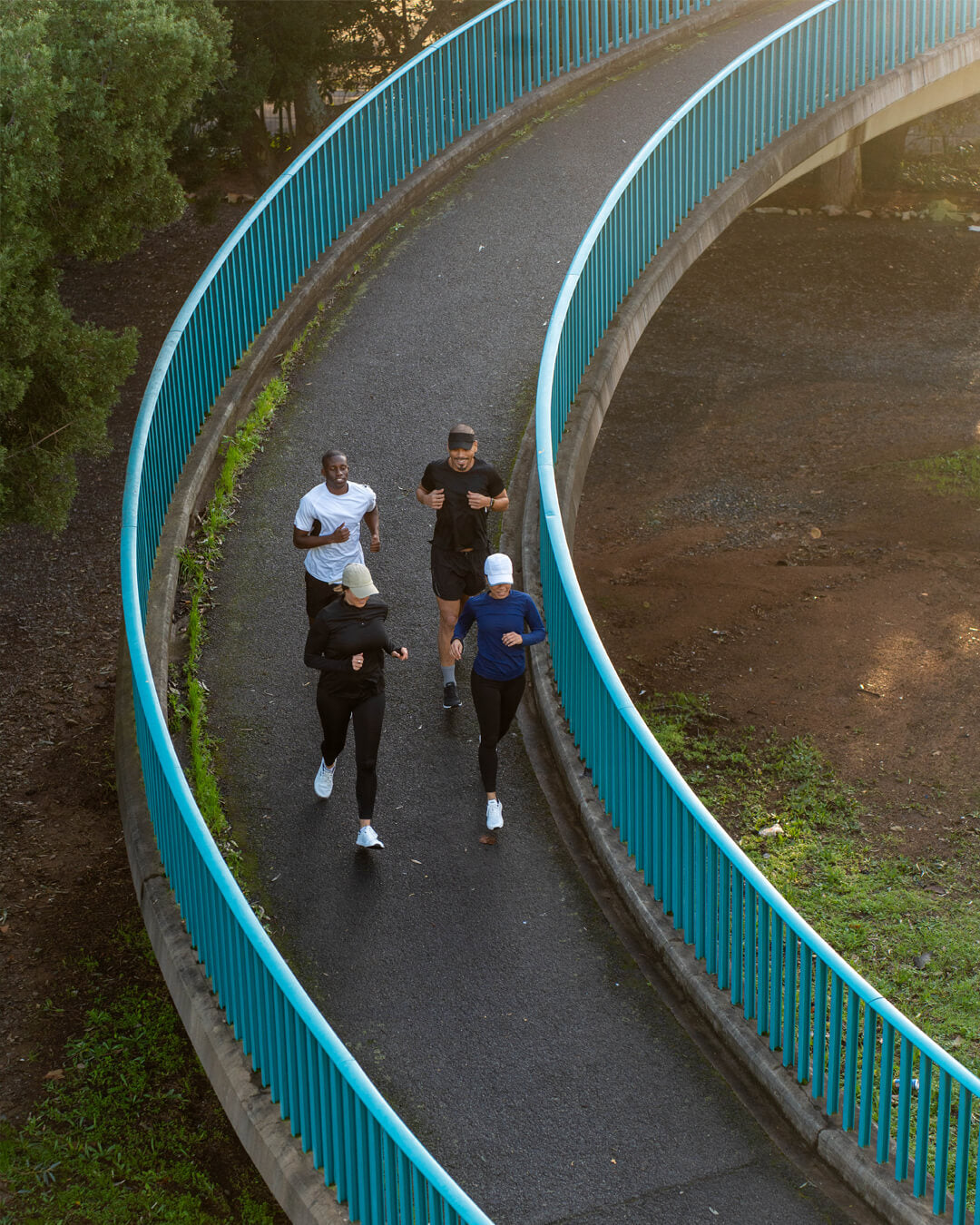
A long run on hard pavement is not the same as a walk through a forest. Higher-impact activities on hard, repetitive surfaces may place greater demand on the body, and cushioning can improve comfort over longer durations (Nigg et al., 2015). It can help absorb impact, reduce some of the harshness of those surfaces, and make longer durations feel more manageable without giving up the broader benefits of foot-shaped footwear.

That is why ground feel and cushioning have to be discussed together. Ground feel is valuable, but the right balance between ground feel and cushioning depends on the surface, the activity, and how prepared your body is for it.

Why minimal shoes are not always the right answer

When we launched our Endurance Mode with the Revive Endurance model, one of the things that genuinely interested me was how many people who were already experienced with very minimal barefoot shoes were excited to try them as they were looking for a more cushioned option for higher-impact activities like running.

That should reassure beginners, because it shows that choosing more cushioning does not mean you are doing it wrong. And it should reassure experienced barefoot wearers too, because it confirms something many of them already know in practice: cushioning still has a place when it helps you move well and keep doing what you love.

That is really the philosophy at Bahé. We agree with most barefoot principles - foot shape, toe freedom, zero-drop, ground feel, and natural movement all matter a lot to us. Where I think the category can sometimes lose people is when the conversation starts to imply that ultra-minimal is the right choice for everyone, in every context, as quickly as possible.

Working towards less cushioning can be a very positive thing. Better ground feel often helps the foot respond more naturally, and thinner, more flexible shoes can be excellent when your body is ready for them (Lieberman et al., 2010). But progression matters. The point is not to reject cushioning as a concept. It is to choose how much cushioning helps in your current situation, while still moving towards better foot function and better movement over time.

Progressing to minimal footwear for all training and activity too quickly, can lead to difficulty adapting and potentially put people off (Ridge et al., 2013).

How do you choose the right amount of cushioning?

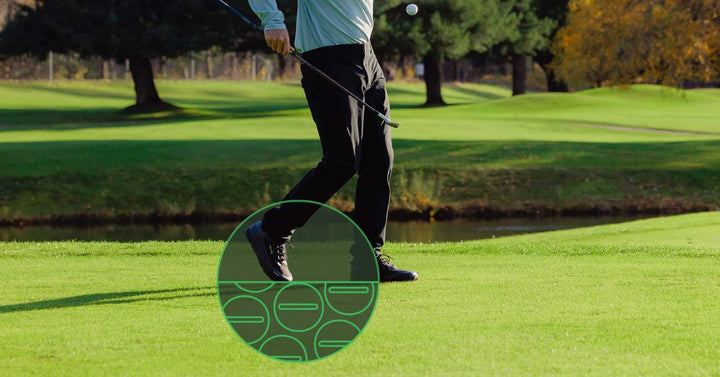
A good starting point is to think about three things: your current experience, the activity you'll be doing in them, and the surface.

If you are newer to barefoot shoes, the best choice is often the one that gives your feet more room and better mechanics in a shoe you can wear consistently. That may mean starting with a little more cushioning, especially if you are coming from conventional footwear or spending a lot of time on hard surfaces (Ridge et al., 2013).
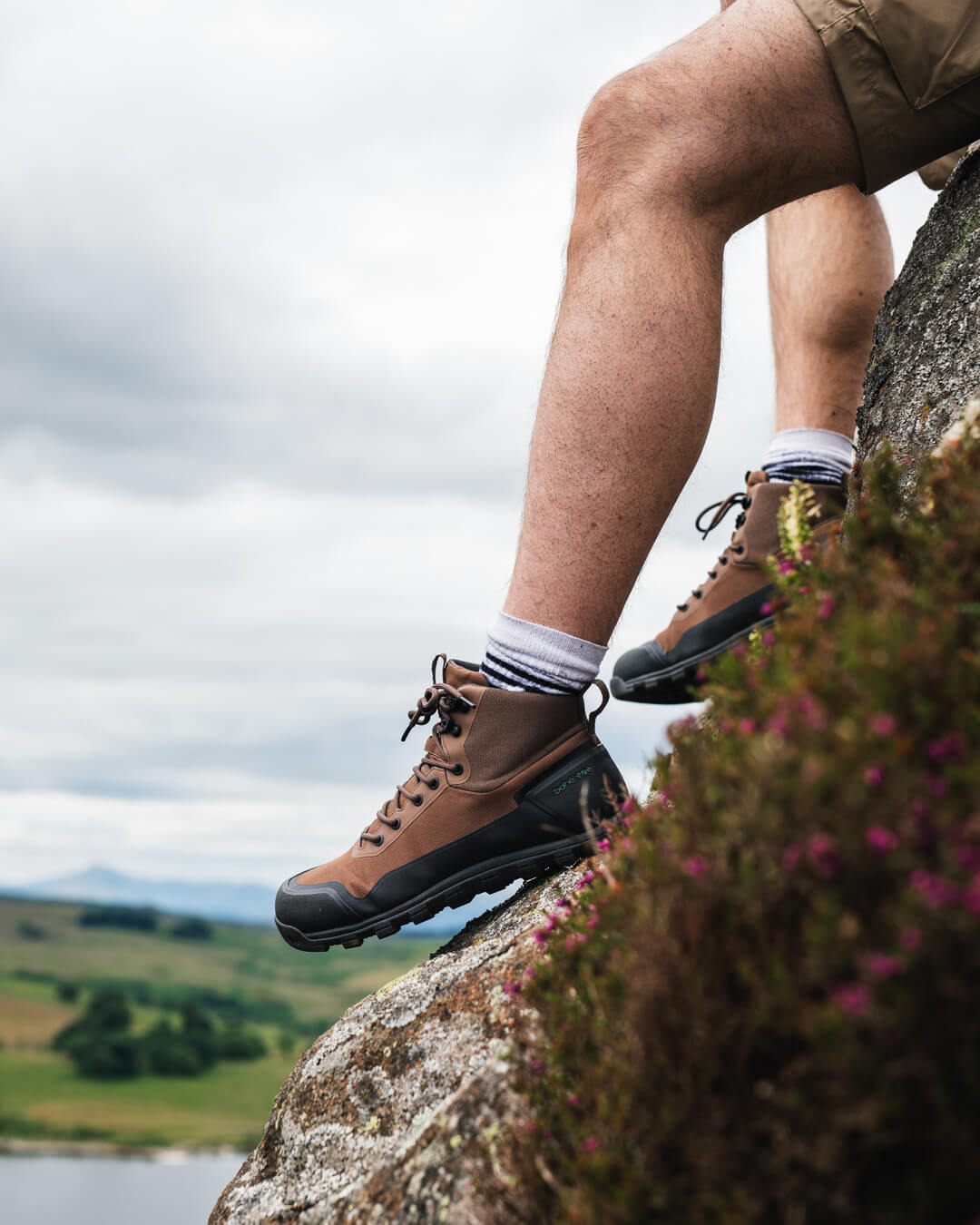
If you are already experienced, you may still find that different activities suit different levels of cushioning. A higher-impact session, road run, or long day on hard floors may feel better with a bit more underfoot, while walking on natural terrain or focusing on technique may feel better with more direct ground contact.

So the aim is not to chase the least possible cushioning. It is to choose the level that lets you move well, feel what you need to feel, and keep progressing.

That is exactly why we built the Find Your Mode quiz. It is a simple way to help you choose a starting point based on where you are now, what you are doing, and how much cushioning is likely to make sense for you.

FAQs

Is more cushioning bad for your feet?
No. Cushioning can be very helpful in the right context, especially when it helps absorb impact, manage load, or make a transition into foot-shaped footwear feel more sustainable. The more useful question is whether the amount of cushioning fits your experience, the activity you're doing and what surface you’re doing it on.

Does cushioning reduce ground feel?
Usually, yes. More cushioning often softens some of the sensory feedback coming up from the ground, which changes how clearly the foot reads the surface beneath it. Thinner soles are great when that extra ground feel is useful and manageable.

Are minimal barefoot shoes always better?
Not always. They can be excellent in the right context, but that does not mean they are the best choice for every person, every activity, or every stage of transition.

Why would an experienced barefoot wearer want more cushioning?
Because context still matters. Higher-impact activities, harder surfaces, and longer durations can all make some extra cushioning a very sensible choice, even for someone who is otherwise comfortable in very minimal shoes.


Alex is Co-founder and Designer at Bahé. With around 20 years’ experience in footwear, he leads the design and development of every product - from prototypes and materials testing to the details that shape fit, ground feel, and real-world performance.

68877422461312

Bahé Modes Explained

Woman lacing up Bahé shoes

Choosing Your First Barefoot Shoes

References

  1. Lieberman, D.E. et al. (2010) Foot strike patterns and collision forces in habitually barefoot versus shod runners. Nature, 463, pp. 531–535. Read the article

  2. Nigg, B.M., Baltich, J., Hoerzer, S. and Enders, H. (2015) Running shoes and running injuries: mythbusting and a proposal for two new paradigms. British Journal of Sports Medicine, 49(20), pp. 1290–1294. Read the article.

  3. Ridge, S.T. et al. (2013) Foot bone marrow edema after a 10-wk transition to minimalist running shoes. Medicine & Science in Sports & Exercise, 45(7), pp. 1363–1368. Read the article

  4. Robbins, S.E. and Hanna, A.M. (1987) Running-related injury prevention through barefoot adaptations. Medicine & Science in Sports & Exercise, 19(2), pp. 148–156. Read the article

  5. Squadrone, R. and Gallozzi, C. (2009) Biomechanical and physiological comparison of barefoot and two shod conditions in experienced barefoot runners. Journal of Sports Medicine and Physical Fitness, 49(1), pp. 6–13. Read the article

Leave a comment

Please note, comments need to be approved before they are published.

Alert me via email when this size/colour becomes available