Follow our 0-12 Week Barefoot Shoe Transition Plan for a fuller step-by-step approach.
Stage 4: Progress towards your goal
Progression should be guided by what you want barefoot shoes to become in your life, and by how well your body is adapting along the way.
If your goal is to wear them for everyday life, gradually build how often and how long you use them. If you want to run in barefoot shoes, allow more time for your distance, pace and technique to adjust. If you want to move towards a more minimal shoe, you can either begin with shorter periods in a thinner sole or gradually reduce cushioning over time.
Progress is not always linear, and everyone responds differently. You may feel ready to increase one type of activity while still preferring more cushioning for another. The key is to build when your current level feels comfortable and your feet and lower legs are recovering well.
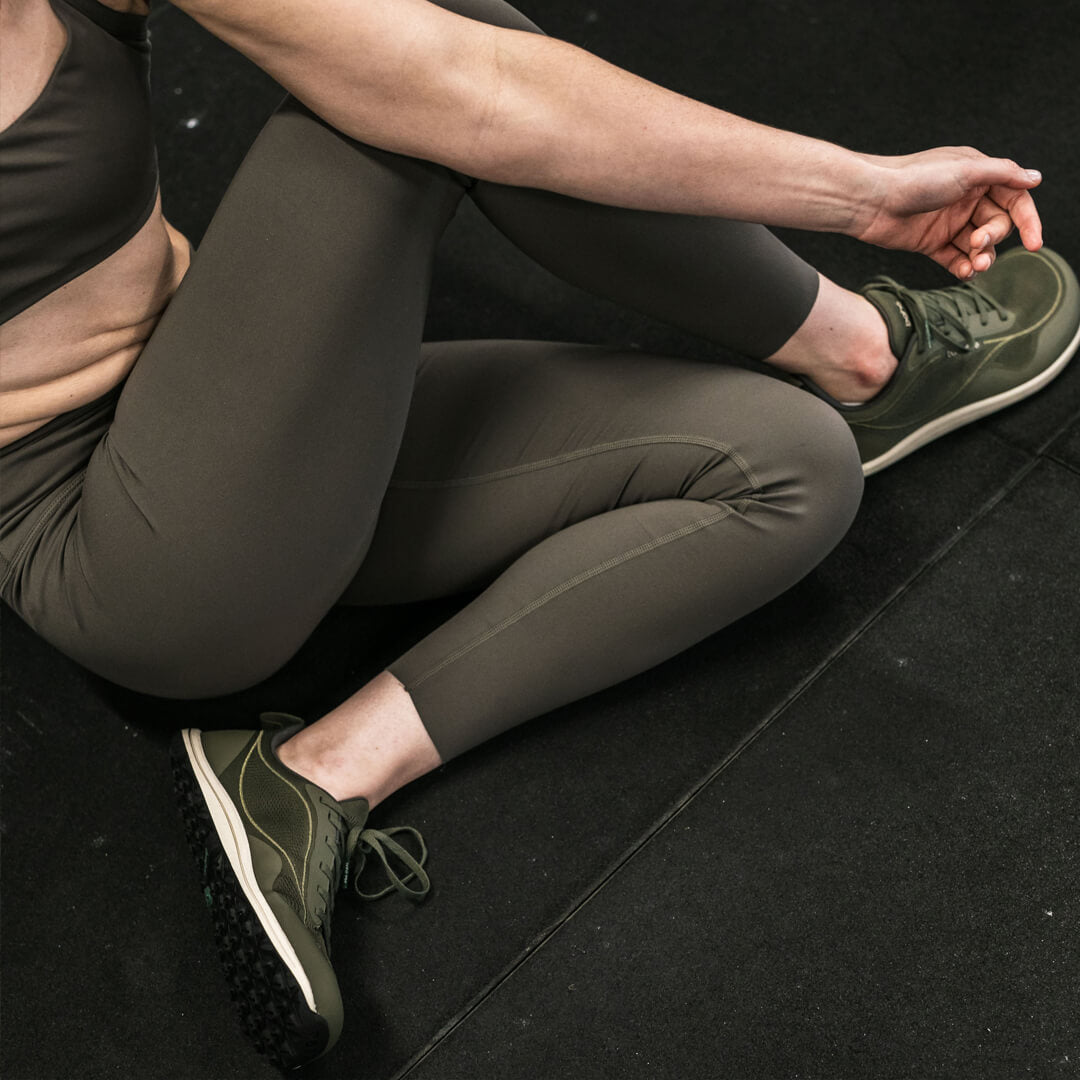
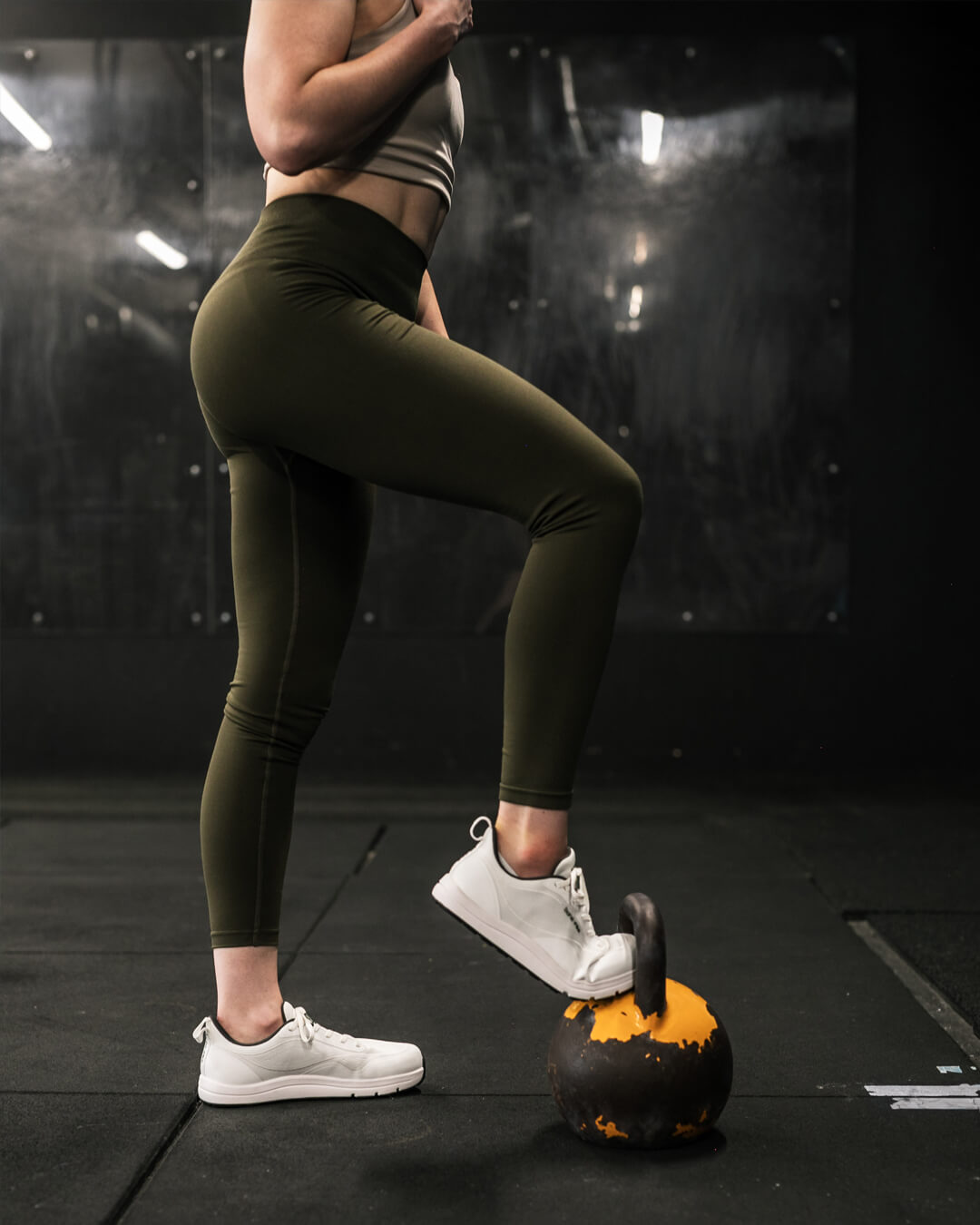
Different shoes can suit different activities. You might prefer a more minimal option for gym work or shorter walks, while choosing more cushioning for longer runs, harder surfaces or full days on your feet.
Over time, the goal is to understand what works best for your body and use the footwear that suits what you are doing.
Take-home message
Barefoot-style footwear can give your toes more room, allow your feet to move more naturally, and encourage your feet and lower legs to play a greater role in everyday movement. The key to a successful transition is not changing everything at once, but giving your body time to adapt.
Choose footwear that matches your current capacity, build strength alongside gradual exposure, and progress one change at a time. The goal isn't to wear the thinnest shoe as quickly as possible - it's to develop the capacity to choose the right footwear for the demands of your daily life, work, exercise, and sport.
Ready to begin? Start with our 0-12 Week Transition Plan.
FAQs
Can you wear barefoot shoes all day as a beginner?
Some people can wear barefoot shoes for a full day quite early, while others need more time. The important factor is how much standing, walking and activity the day involves, so build wear time around the actual demands on your feet.
How long does it take to transition to barefoot shoes?
There is no single timeline. A more cushioned barefoot shoe may feel comfortable for everyday use quite quickly, while running, thinner soles or long days on hard surfaces may take longer. Use the 0-12 Week Barefoot Shoe Transition Plan as a framework, then progress according to how well your feet and lower legs are adapting.
What should you do if discomfort develops?
Think about what has changed over the previous few days, such as wear time, distance, surfaces, or recovery time. Return to the last level that felt comfortable, then build again more gradually.
Mild muscular tiredness should settle with recovery. Seek an individual assessment for sharp or localised pain, worsening symptoms, swelling, numbness, recent trauma or discomfort that changes the way you walk.
Our guide to Common Transition Mistakes can help you identify what may need adjusting.
 UK Based: Duty-free Delivery







Leave a comment