Skip to content

Why We Talk About Foot Health the Way We Do at Bahé

Bag
0

Why We Talk About Foot Health the Way We Do at Bahé

Bahé co-founder Alex Ward explains why foot health isn’t simple, how feet adapt over time, and what shoes can and can’t influence.


When I started Bahé, one thing felt very clear early on: I didn’t want to build shoes around neat stories that fall apart in real life, I wanted them to work for real people in real life situations.

That same mindset is shaping how we approach education. By working closely with our team, we’re focusing on explaining how feet adapt, where footwear plays a role, and where it doesn’t. Not to simplify things, but to give people the understanding they need to use and enjoy their shoes fully, without relying on promises that don’t hold up.

67690933682560

Why Foot Health Isn’t Simple

Foot health is often presented as simple. Wear this. Avoid that. Fix your feet. But bodies don’t really work like that.

Feet adapt over time, responding to changes in load, surface, exercise volume, and recovery. Too much change too quickly can overwhelm that process; too little change can limit it.

They’re shaped by how you move, what you’ve done before, what you’re doing now, and how much change you ask of them (Kelly et al., 2014). That complexity matters, especially when you’re designing footwear that people will live, train, and walk in every day.

So rather than oversimplifying, we chose to slow things down and be more honest about the trade-offs.

67669296349568

Why Bahé Avoids Absolute Claims

There isn’t one “right” shoe. Cushioning, support, and flexibility - these aren’t beliefs, they’re variables. What works well in one context can be unhelpful in another (Harrison & Chockalingam, 2016). I wanted Bahé to reflect that reality, even if it’s less tidy to explain.

That decision is also why our educational content won’t be written as a faceless brand voice. I didn’t feel comfortable having Bahé make broad claims about bodies without involving people who actually work with them. Not to make bigger promises, but to avoid making careless ones.

That’s why our education is shaped with input from people whose work involves understanding movement, feet, and physical adaptation - not to make bigger promises, but to avoid careless ones.

Who Shapes Bahé’s Foot Health Education

67669296185728

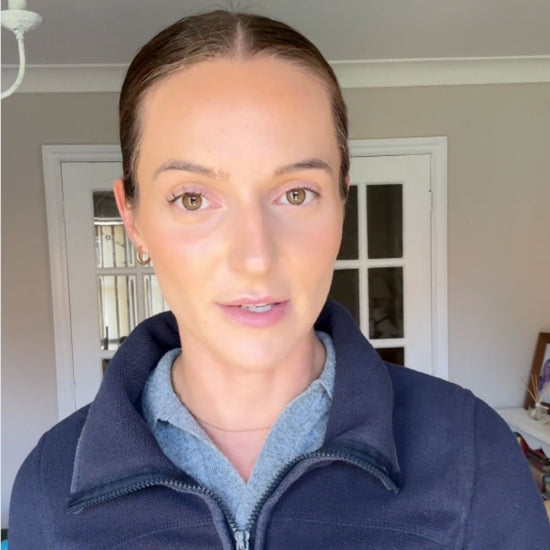
Lauren Jackson, Head Physio

Lauren Jackson is a qualified physiotherapist who contributes clinical and educational perspective to Bahé’s content. Her involvement is focused on explaining how feet and lower-limb systems function and adapt, not on diagnosis, treatment, or individual advice.

67669296152960

Charlie Kirby, Head of Movement

Charlie Kirby, Head of Movement at Bahé and a qualified Foot Health Guide through The Foot Collective. His role is focused on movement education, foot function, and helping people understand how context and loading influence adaptation.

Lauren and Charlie bring different perspectives, grounded in physiotherapy, foot health, anatomy, and education. Their role isn’t to tell anyone what they personally should wear, diagnose injuries, or offer treatment. It’s to help explain how feet work, how they adapt, and why context matters more than rules.

67669296251264

What Shoes Can and Can’t Do

Shoes alone cannot fix bodies, lasting change comes from how bodies are loaded and adapted over time, not from passive interventions alone. What they can do is either respect how bodies work or ignore it.

This approach will shape the content you’ll see from us. There will be fewer absolutes, fewer quick fixes, and more emphasis on gradual change, variability, and understanding your own starting point (Bonacci et al., 2013). Sometimes that means fewer easy answers.

But I believe it leads to better decisions in the long run.

This series will exist to make our thinking visible, where it comes from, who’s involved, and where the limits are. If you’re dealing with pain, injury, or a specific condition, personal guidance from a qualified professional who knows your situation will always matter more than general information online.

Our aim here is simpler than that: to talk about feet with a bit more care, honesty, and respect for complexity.

Stay in the Loop

We hope this series helps you understand your feet a little better, how they adapt, how they respond to change, and what role shoes can play in supporting your movement.

If you’d like to keep learning with us, you can sign up to our newsletter for tips, insights, and updates straight from the Bahé team.

You can also follow us on Instagram or Facebook to see the latest on movement, foot health, and footwear design.

Feet are complex, bodies are unique, and every step counts. Join us, and let’s explore them together.


Alex is Co-founder and Designer at Bahé. With around 20 years’ experience in footwear, he leads the design and development of every product - from prototypes and materials testing to the details that shape fit, ground feel, and real-world performance.

References

  1. Kelly, L. A., Cresswell, A. G., Racinais, S., & Lichtwark, G. A. (2014). Intramuscular and intermuscular coordination of the human foot muscles during locomotion. Journal of Experimental Biology, 217, 1161–1171. Read the article

2. Harrison, S. J., & Chockalingam, N. (2016). The role of footwear in foot and lower limb biomechanics. Gait & Posture, 49, 122–128. Read the article


3. Sherrington, C., Fairhall, N., Wallbank, G., et al. (2019).
Exercise for preventing falls in older people living in the community. Cochrane Database of Systematic Reviews, 2019(1). Read the article

4. Bonacci, J., Saunders, P. U., Hicks, A., Rantalainen, T., Vicenzino, B., & Spratford, W. (2013). Running in a minimalist and lightweight shoe is not the same as running barefoot: a biomechanical study. British Journal of Sports Medicine, 47(6), 387–392. Read the article

Leave a comment

Please note, comments need to be approved before they are published.

Alert me via email when this size/colour becomes available