Skip to content

Why Your Big Toe Matters More Than You Think

Bag
0

Why Your Big Toe Matters More Than You Think

Why the big toe matters for balance, push-off, and foot function - and what happens when stiffness or poor alignment changes the way you move.

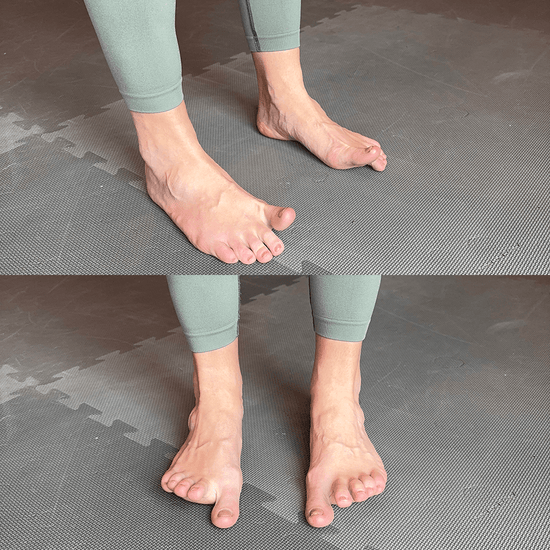
Feet with toe spacers

Most people do not think about their big toe unless it becomes obviously painful. But good big toe function matters because it helps you stay balanced, stabilise the foot, and push your body forward with each step (Nester et al., 2014; Mann & Hagy, 1979).

When that function is not there, the issue does not always show up in the toe itself. A stiff or poorly aligned big toe often gets worked around, with the body compensating and shifting load and motion elsewhere - through the foot, ankle, calf, knee, or higher up the chain. Sometimes that becomes more obvious when people switch into more natural footwear and the shoe stops masking what the foot is, or is not, doing well. That can be a useful cue, because it highlights something worth improving.

This article covers why the big toe matters, why alignment affects how it works, what compensation can look like, and what helps restore better function over time.

What does the big toe actually do when you walk and balance?

The big toe has an important job in both propulsion and stability. As you walk, your weight moves from heel to midfoot to forefoot, and at the end of that sequence the big toe helps you push off the ground and move forward while also helping to stabilise the foot as your body travels over it (Mann & Hagy, 1979; Nester et al., 2014).

That matters for everyday walking, but also for balance, direction change, and athletic movement. If the big toe cannot load and move well, you lose part of that final stable connection to the ground (Nester et al., 2014).

Lauren Jackson, our in-house physiotherapist explains “Your foot should not be a stiff block - it should be responsive, and the big toe is one of the structures that helps make that possible.”

That fits with the broader point from the earlier blog in this series: toes are active parts of movement, not passive extras.

Why does straight big toe alignment matter?

The big toe joint - technically the metatarsophalangeal, or MTP, joint - is a hinge joint, which means its movement should happen mainly in one plane (Neumann, 2010). For it to work well, the toe needs to move in the direction it is designed to, while staying in good alignment with the foot.

That is why shoe shape matters so much.

If the front of a shoe tapers inwards, the big toe cannot stay straight and gets pushed out of alignment. Lauren’s post on wide toe boxes covers that broader pattern clearly: when shoes narrow where the foot is naturally widest, toe position and load distribution change over time (D’Août et al., 2009; Hoffmann, 1905).

When the big toe is angled inward, it cannot function as it naturally should. It can still move and still contribute to balance and propulsion, but not to its full potential, which means overall movement is less efficient and there is more scope for compensatory issues further up the chain (Nix et al., 2010).

What happens when the big toe gets stiff?

Most people do not suddenly lose all big toe function. Usually the change is gradual, and big toe mobility can reduce over time especially with long-term use of restrictive footwear (D’Août et al., 2009; Nix et al., 2010).

Our head physio Lauren Jackson, explains that when a patient presents with a stiff big toe joint, the effects extend beyond the toe itself: “The toe contributes a bit less during the gait cycle, and push-off and balance are not as good as they could be, which means the body starts shifting the job elsewhere.”

That compensation can happen through the arch, the lesser toes, the ankle, the calf, or further up the body. Not always in the same way, and not in everyone, but it is a common pattern (Faber et al., 2015; Nester et al., 2014).

That is why a stiff big toe does not always present as localised pain. Sometimes it shows up elsewhere because other structures are being asked to load or move differently.

Many people also do not realise they lack big toe mobility until they actually test it, which is what makes the earlier self-assessment blog so useful. It gives you a clearer picture of what your toes can and cannot currently do, and the exercise post then gives you practical ways to start improving your strength and range of motion.

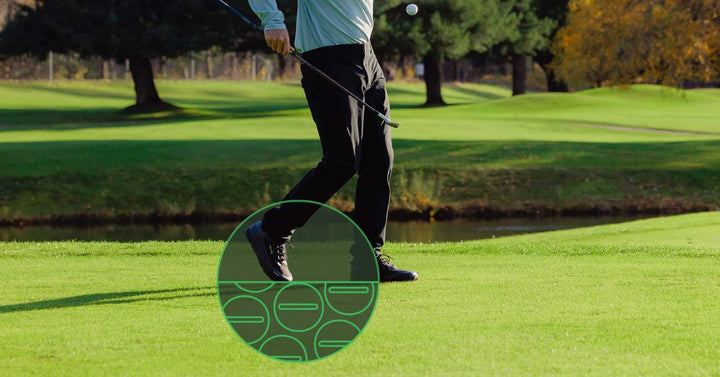
Why do so many modern shoes use toe rocker?

Pick up a lot of cushioned shoes and you will notice the front curves upward, which is often called toe rocker or toe spring.

If a shoe has a thicker or stiffer sole, it may not bend naturally very well, so that shape helps roll you forward off the front of your foot more easily when walking or running (Rao et al., 2011).

That can make movement feel smoother, but it also means the forefoot and big toe may not need to bend as much. In other words, the shoe is doing more movement on your behalf and limiting some of the range of motion and natural function you could otherwise have (Rao et al., 2011; Sobhani et al., 2013).

A shoe rolling you over the front is not the same thing as a foot using its own structures well. The excess toe spring on many cushioned shoes also pushes the toes into a consistently extended position rather than being in a natural position.

What helps the big toe do its job better?

Wide toe box shoe

1. Give it space

If the big toe is being pushed inward all day, it will not be able to articulate as it naturally should. Going barefoot more, where practical, and wearing shoes with a foot-shaped toe box gives the big toe a better chance to sit in more natural alignment and contribute more effectively to your movement and balance (D’Août et al., 2009).

Explore men's foot-shaped shoes →

Explore women's foot-shaped shoes →

Toe Wave Exercise

2. Remobilise and strengthen

That is where the earlier exercise blog comes in. Toe waves help with independent toe control, toe splay work helps restore spread and awareness, and simple foot-strength drills start rebuilding the kind of function that often gets lost after years in conventional shoes.

Check our exercises to restore toe function →

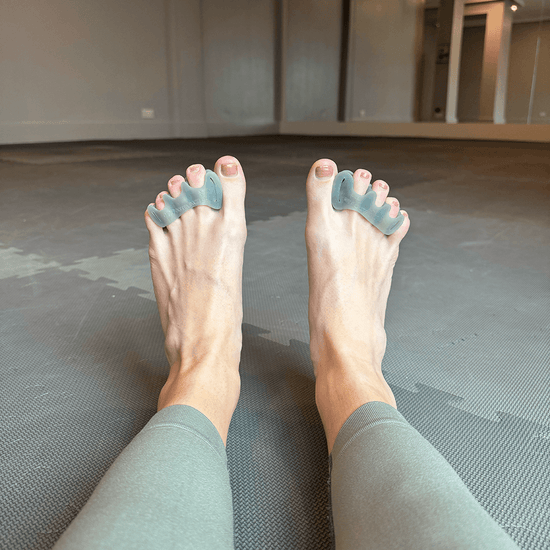
Foot with toe spacers

3. Try toe spacers

Toe spacers can help encourage the toes toward a more natural spread position, particularly if the big toe has spent years being pushed inward by a narrow toe box. By gently holding the toes in a more naturally splayed position, with the big toe straighter, they can help gradually restore function - especially when used during movement.

Explore toe spacers →

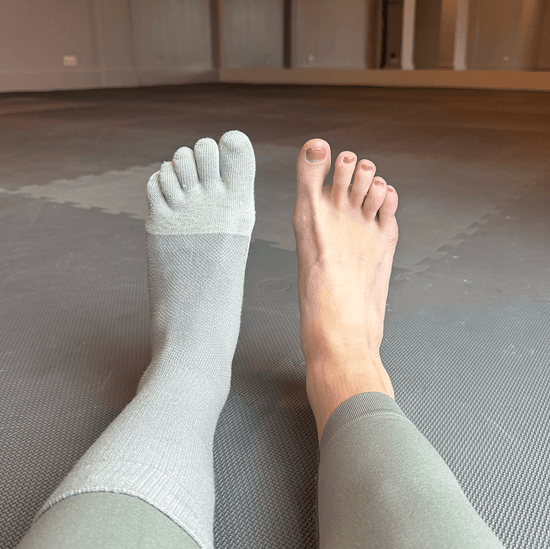
Toe socks to allow better toe function

4. Think about your socks

Traditional socks can also keep the toes in a more constricted position, a bit like narrow shoes do. Toe socks are the best option for toe freedom because they give each toe its own space, which helps the toes splay more freely and makes it easier to feel more natural movement through the front of the foot. We also make socks with a wider fit through the toe area, which can be a better option than conventional socks if you prefer a more standard style.

Foot-friendly socks options →

FAQs

Can a narrow toe box affect the big toe?
Yes. Over time, a narrow toe box can push the big toe inward and affect its natural alignment with the foot, as well as how it loads and moves (Nix et al., 2010).

What is toe rocker in shoes?
Toe rocker is the upward curve at the front of many shoes. It helps a stiffer shoe roll forward more easily, which can reduce how much the toes need to bend (Rao et al., 2011).

Does big toe stiffness always cause pain?
No. Sometimes it shows up as pain elsewhere because other parts of the body are being forced to load or move differently (Faber et al., 2015).

How do you improve big toe mobility?
By wearing shoes that allow your toes to sit in more natural alignment, combined with gradual exercises and consistent movement practice.


Charlie is Head of Movement at Bahé. He blends research with lived experience to help people rebuild strong, functional feet and move with confidence - creating practical movement guidance, transition education, and simple routines people can actually stick to.

Person adjusting toe spacers

Spread Your Toes

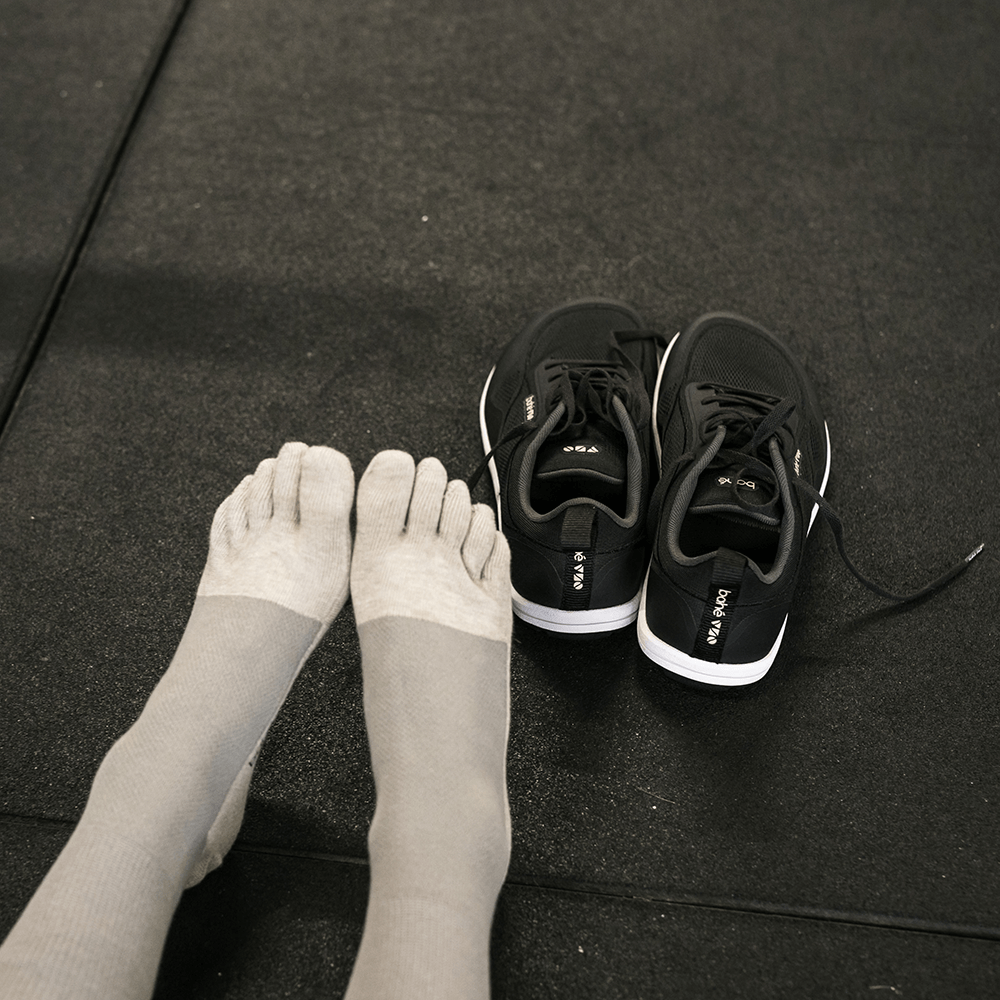
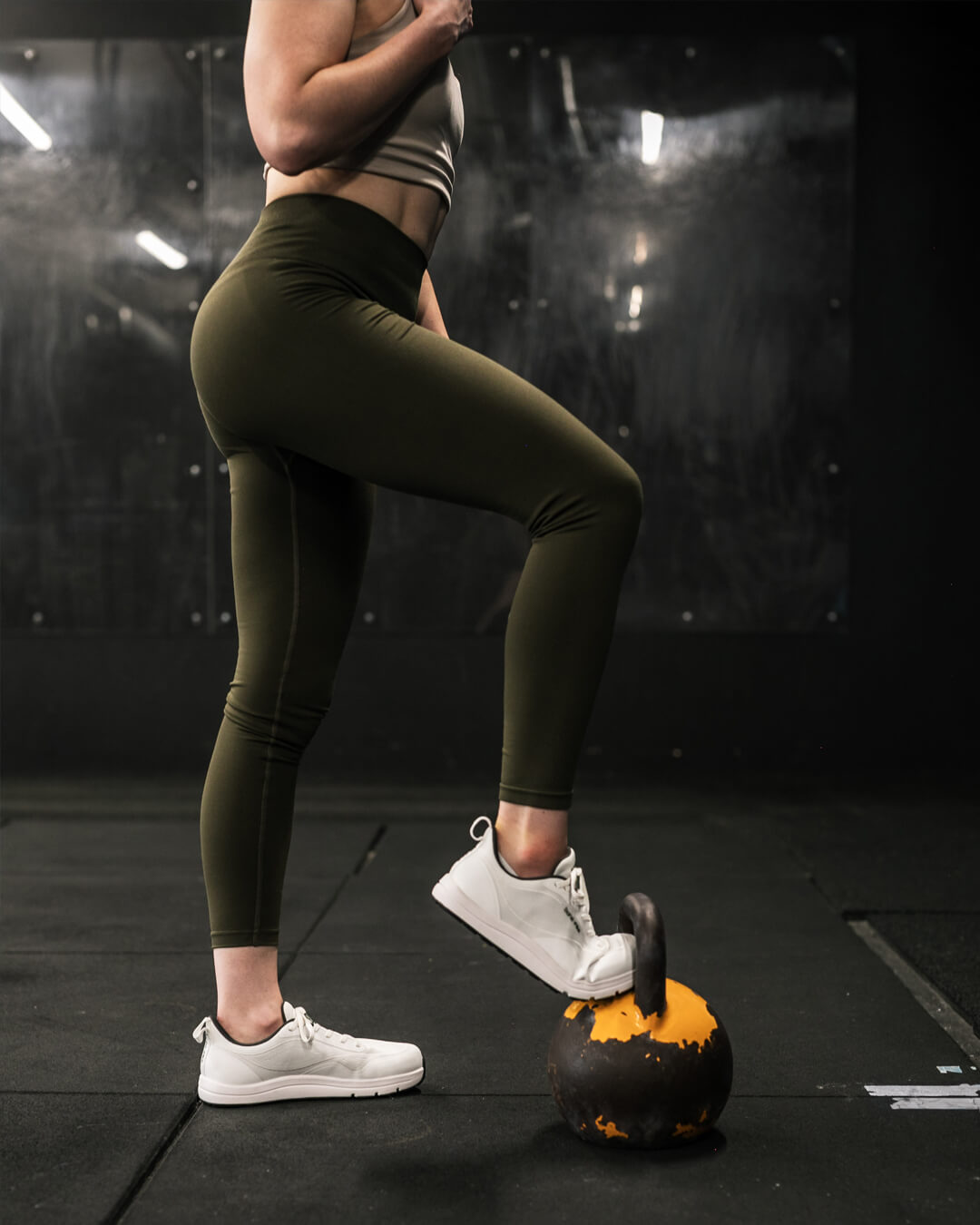
someone wearing bahé toe socks in the gym, with a pair of Bahé modes to the right of her feet.

Let Your Toes Move

References

  1. D’Août, K. et al. (2009). The effects of habitual footwear use: foot shape and function in native barefoot walkers. Footwear Science. Read the article

  2. Faber, F.W.M. et al. (2015). Hallux limitus and gait: a biomechanical perspective. Journal of Foot and Ankle Research.

  3. Hoffmann, P. (1905). Conclusions drawn from a comparative study of the feet of barefooted and shoe-wearing peoples. American Journal of Orthopedic Surgery. Read the article

  4. Mann, R., & Hagy, J. (1979). The function of the toes in walking, jogging and running. Clinical Orthopaedics and Related Research. Read the article

  5. Nester, C.J. et al. (2014). Foot kinematics during walking: a systematic review. Journal of Foot and Ankle Research.

  6. Neumann, D.A. (2010). Kinesiology of the Musculoskeletal System. Elsevier. Read the article

  7. Nix, S. et al. (2010). Footwear and hallux valgus: a systematic review. Journal of Foot and Ankle Research. Read the article

  8. Rao, S. et al. (2011). The influence of footwear on foot mechanics during walking. Journal of Foot and Ankle Research. Read the article

  9. Sobhani, S. et al. (2013). Rocker shoes reduce Achilles tendon load. Gait & Posture. Read the article

Leave a comment

Please note, comments need to be approved before they are published.

Alert me via email when this size/colour becomes available