Skip to content

Why Feeling the Ground Helps With Balance, Control and Performance

Bag
0

Why Feeling the Ground Helps With Balance, Control and Performance

Ground feel is the sensory feedback you get from the surface under your feet. That feedback can support better balance, control, and movement by helping the body respond more naturally to the terrain beneath you.

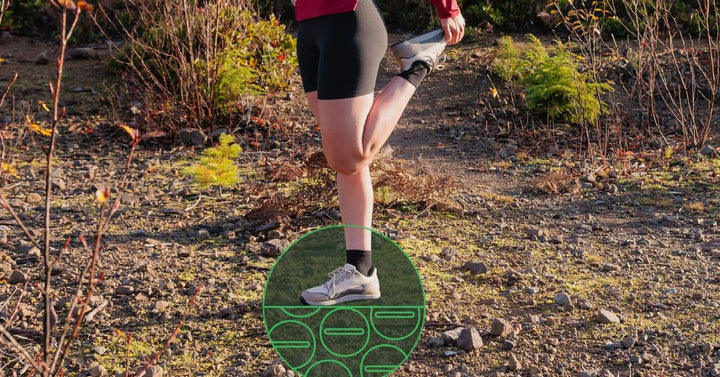
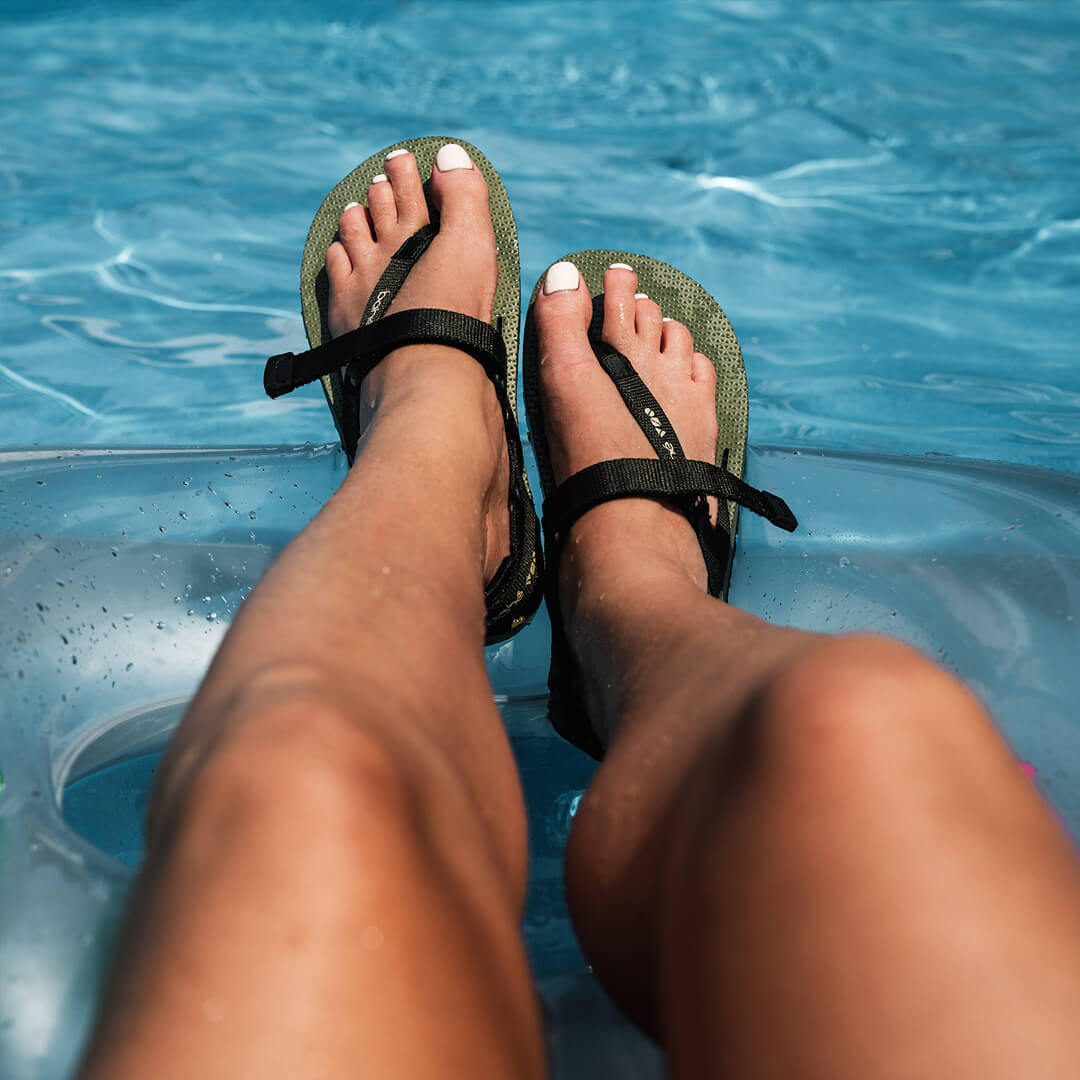
Bahé grounding shoes on earth

Your feet are made to feel the ground and adapt to it. When your feet can sense the surface beneath you more clearly, your body has a richer picture of where you are, how you are loading, and what needs to happen next. That richer feedback can support balance, control, co-ordination, and the feeling of being more connected to the ground beneath you (Proske and Gandevia, 2012; Robbins and Hanna, 1987).

It is also one of the reasons many people enjoy barefoot shoes and thinner, more flexible footwear - not just because they feel different, but because they can reawaken something your feet were designed to do in the first place (Lieberman et al., 2010). This is the first post in a short series about how feeling the ground beneath your feet affects movement. In the posts that follow, we’ll look at the structures in the foot that support movement, where cushioning helps and where it gets in the way, how to find more sensory variety in everyday life, and why all of this matters for balance and performance.

What is ground feel, and why does it matter?

Ground feel is the sensory feedback you get from the surface under your feet.

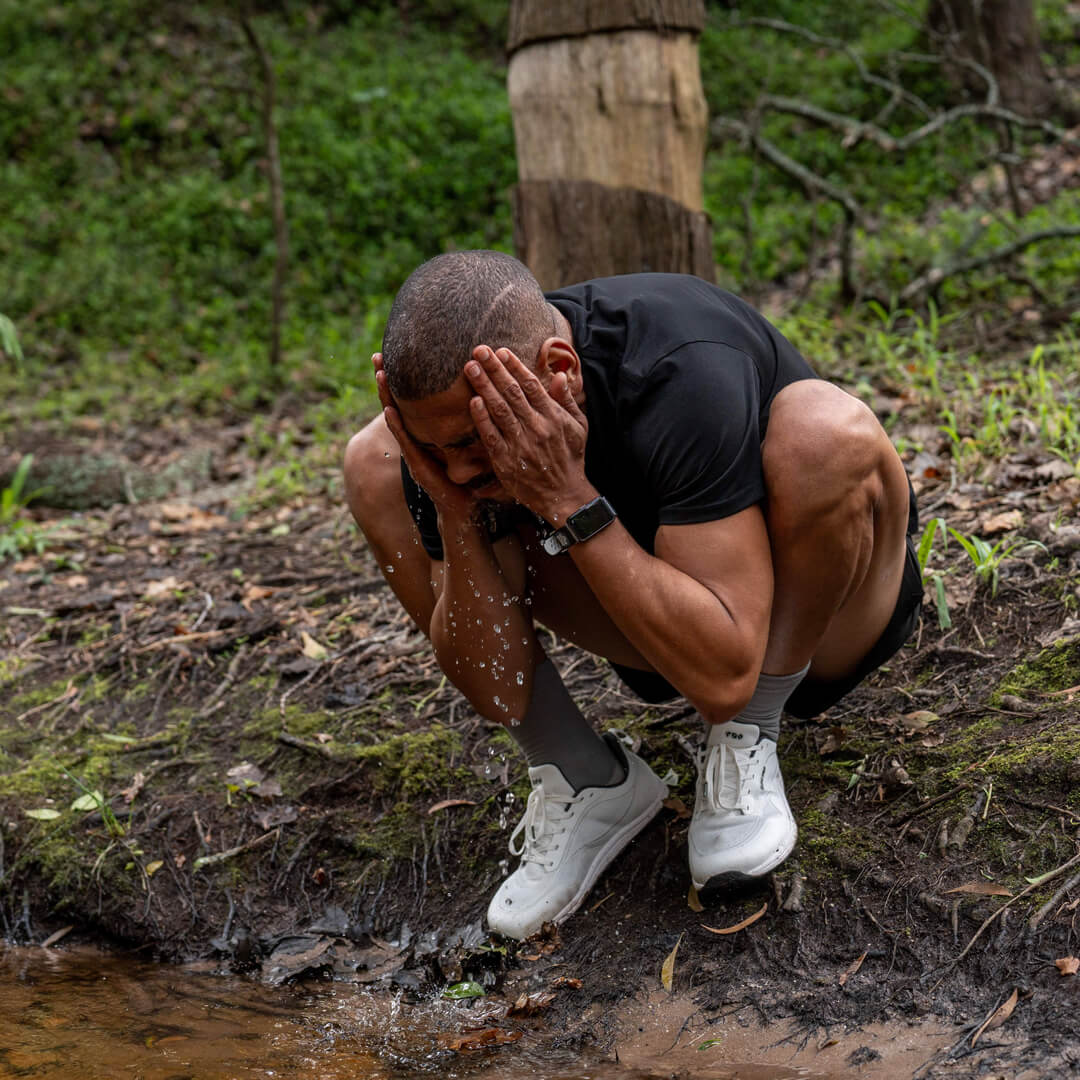
When your foot meets the floor, trail, pavement, grass, or gym surface, it is not just experiencing impact - it is also taking in information about texture, hardness, the angle of your landing, pressure, and the small changes happening under your foot. That information travels through the nerves in the feet to the brain and nervous system, where it helps guide how you balance, adjust, and move (Proske and Gandevia, 2012; Hatton et al., 2011).

Feeling the ground matters because that clearer sensory feedback can help your body adapt more naturally to the terrain beneath you (Hatton et al., 2011). For many people it also brings a more immediate human benefit: you feel more connected to the earth beneath your feet, more aware of where you are, and less shut off from the surfaces you move across every day. If that feedback is heavily dulled, movement can become less precise and you can feel less connected to the surface itself. In my earlier post on natural foot shape, I touched on the same broader idea: the foot is designed to interact with the ground, not just be carried around inside a shoe.

I spoke to Patrick Gilbert, Physical Therapist for the Indiana Pacers NBA basketball team who said that “The less material you have between your feet and the ground, the better. The feet have an extraordinary sensory system and need feedback from what they are standing on to provide the most accurate feedback to the brain to assist with balance, proprioception and movement”.

How does feeling the ground help balance and control?

People often think about balance as something you do in a yoga class or while standing on one leg, but really it is part of almost everything you do. Whether you are standing still, walking, hiking, lifting, slowing down, changing direction, or reaching for something, your body is constantly making subtle adjustments to keep you steady and efficient.

A lot of that happens subconsciously, and your feet are one of the first places the body gets information from. The clearer the signal from the ground, the better chance your body has of making those tiny adjustments smoothly and at the right moment (Proske and Gandevia, 2012; Hatton et al., 2011).

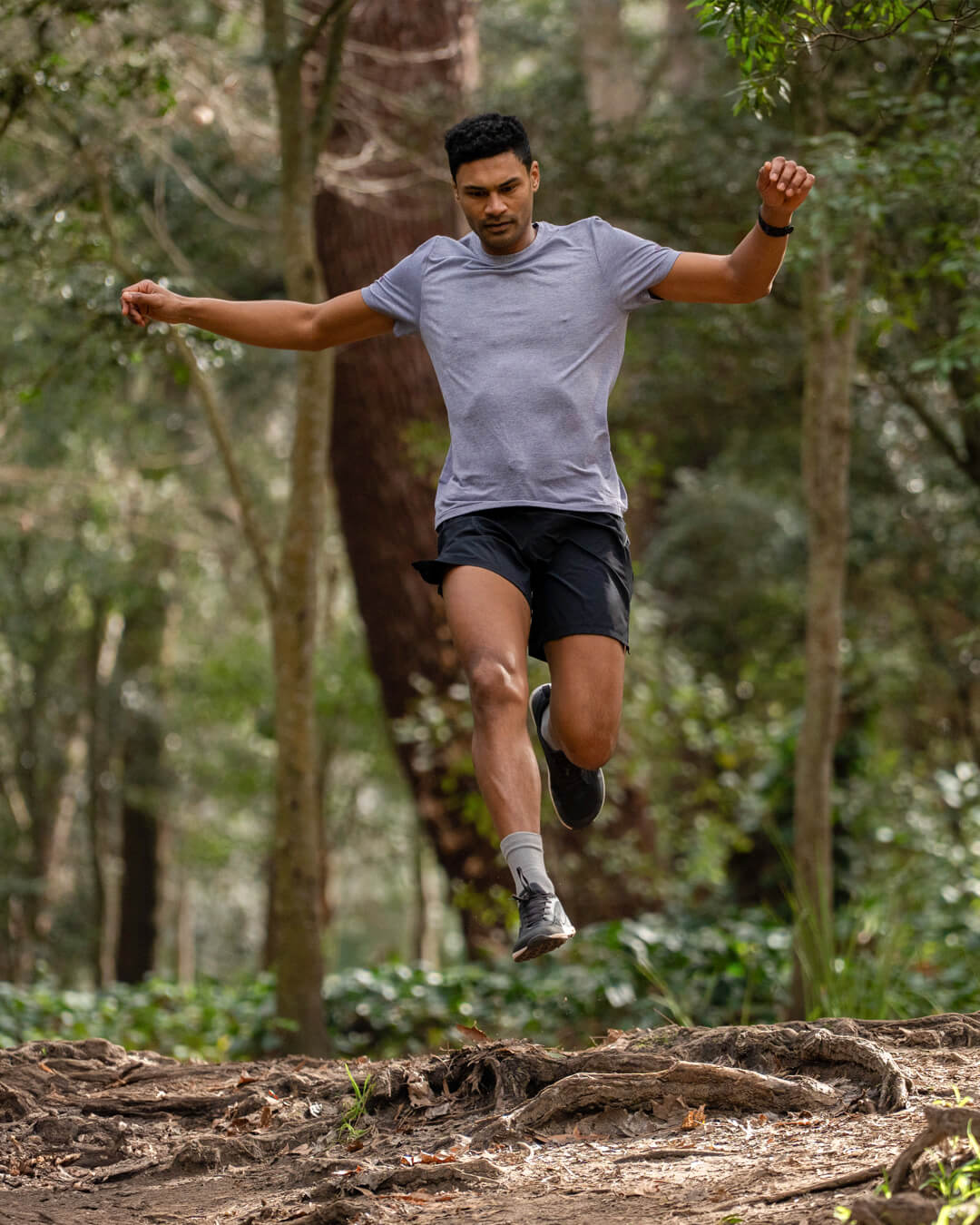
That can help with obvious things like balance, but also with posture, co-ordination, stability, and the general quality of your movement over time. It matters for long-term movement health, and it matters for performance too - whether that means moving more cleanly in training, feeling sharper when changing direction, or staying better connected to the ground while playing sports.

What is proprioception, and what role do your feet play?

Proprioception is your sense of where your body is in space.

It helps you know where your joints and limbs are without needing to look at them, which is important not only for obvious balance tasks but also for running, changing direction, landing, and moving well across uneven ground (Proske and Gandevia, 2012).

Your feet play a major role in that because they are your main contact point with the floor. They are constantly sending information upward about pressure, position, and the nature of the surface beneath you, and that helps shape howt the rest of the body moves (Proske and Gandevia, 2012; Hatton et al., 2011).

That is one reason foot sensation matters for performance. If your feet are giving the brain clearer information, that can help with the kind of co-ordination, balance, and movement quality that good performance depends on. It is not just about elite sport either. The same principle applies whether you are trail walking, strength training, playing football, moving through your day, or simply trying to feel more stable and capable on your feet.

Why better sensory feedback can improve movement and performance

What we call performance is not just one thing. It includes strength, balance, timing, control, co-ordination, agility, and the ability to respond well to what is happening around you. Power matters, of course, but so does how well you can direct it.

That is where the feet come in.

If your feet can sense the ground well, that can support the flow of information between the ground, the nervous system, and the movement that follows. In practice, that may mean feeling more stable when you land, more responsive when you change direction, or more aware of how your body is moving over the surface beneath you (Hatton et al., 2011; Robbins and Hanna, 1987).

It can also make movement feel more alive. Many people notice that when they spend more time barefoot, or in shoes that let them feel the ground more clearly, there is a sense of reawakening in the feet. Textures stand out more, small shifts in the surface become more noticeable, and the body often feels more engaged rather than simply carried along.

For readers who already wear barefoot shoes, that will probably feel familiar. For readers who are newer to the idea, it is worth knowing that this is often one of the first things people enjoy about making the switch. More ground feel can support better movement, and it can also make movement feel more direct, more natural, and more connected.

How to work towards more minimal barefoot shoes for better ground feel

If you are interested in more ground feel through barefoot shoes, it helps to think of it as a progression rather than a race.

For some people, especially those already used to flexible footwear, a thinner sole and more direct contact with the ground can feel good quite quickly. For others, the shift can take a little more time because more natural foot-shaped footwear often brings a few changes at once: more ground feel, more freedom for the toes, more flexibility, and often less heel elevation too.

That does not mean there is anything wrong with your feet. It just means your body may need time to adapt to moving with less interference from a structured shoe (Ridge et al., 2013).

A warm, sensible way to approach it is to match the amount of ground feel to your experience level and the activity itself. A long road run on hard pavement is not the same as an easy walk through woodland, and the footwear that works best for one may not be the best choice for the other. Sometimes cushioning helps absorb impact and manage load. Sometimes a thinner, more flexible setup is exactly what helps you reconnect with the ground and move more naturally.

That is why, at Bahé, we talk so much about progression. Sometimes a better way of looking at switching to barefoot shoes is to ask what amount of ground feel I can use well right now, in this context, for this activity, rather than what is the most minimal shoe I can possibly wear.

What to expect when switching to more minimal barefoot shoes

For many people, one of the most exciting parts of switching to more minimal barefoot shoes is the sense of awareness that comes with it. You feel more of the ground beneath you, you notice textures more clearly, and you become more aware of how and where your feet are landing. For some, that feels like a genuine reawakening of the feet. For others, it feels unfamiliar at first, simply because it has been a long time since the feet were allowed that kind of feeling of the ground. Both experiences are completely normal.

It is also worth remembering that ground feel is only one part of the picture. When people move into more natural footwear, they are often adjusting not just to a thinner sole, but also to a foot-shaped toe box, more flexibility, and often a flatter platform as well. That can be a very positive shift, but it may mean the feet, calves, and smaller stabilising muscles have more to do than they are used to (Ridge et al., 2013).

The key is that the transition should feel positive and manageable, not harsh or punishing. If you are new to it, give yourself time. If you are already experienced, pay attention to context and activity rather than assuming less is always better. The best outcomes usually come when people build gradually and stay consistent.

This is where some of our earlier posts can help. Natural foot shape affects how well the toes can spread and sense the ground, the self-assessment post helps you understand your starting point, and the exercise post gives you practical ways to build control and strength.

FAQs

What is ground feel in shoes?
Ground feel is the sensory feedback you get from the surface under your feet when you move. That includes things like pressure, texture, firmness, and the small variations in the ground beneath you.

Does more ground feel improve balance?
For many people it can, because clearer feedback from the ground can help the body make better subconscious adjustments. If you are new to barefoot shoes or thinner soles, it is usually worth giving yourself a bit of time to adjust to the extra sensation and the broader changes that come with more natural footwear.

What is proprioception in the feet?
It is part of your body’s awareness of position and movement in space. Your feet help provide the brain with information about where you are, how you are loading, and what kind of surface you are standing or moving on.

Are barefoot shoes better for balance and control?
They can be, because they often allow more sensory feedback, more natural toe movement, and a closer relationship with the ground. If you are newer to them, that usually works best when the transition is gradual and matched to your current experience and the activity you are doing.

How do I start getting more ground feel?
That depends on your experience, your activity, and what you are wearing now. For some people it may mean spending more time barefoot at home or outdoors where practical. For others it may mean moving into foot-shaped footwear with a level of cushioning that still feels manageable, then moving to thinner soled shoes as your body adapts.


Charlie is Head of Movement at Bahé. He blends research with lived experience to help people rebuild strong, functional feet and move with confidence - creating practical movement guidance, transition education, and simple routines people can actually stick to.

Bahé Revive Adapt Stone

Barefoot Shoes Explained

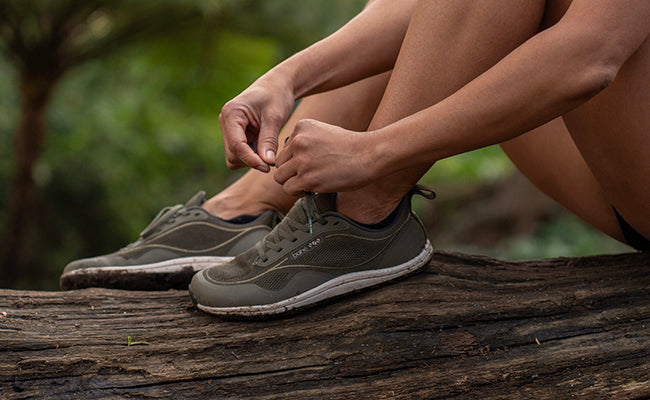
Woman lacing up Bahé shoes

Choosing Your First Barefoot Shoes

References

  1. Proske, U. and Gandevia, S.C. (2012) The proprioceptive senses: their roles in signaling body shape, body position and movement, and muscle force. Physiological Reviews, 92(4), pp.1651–1697. Read the article

  2. Robbins, S.E. and Hanna, A.M. (1987) Running-related injury prevention through barefoot adaptations. Medicine & Science in Sports & Exercise, 19(2), pp.148–156. Read the article.

  3. Lieberman, D.E., Venkadesan, M., Werbel, W.A., Daoud, A.I., D’Andrea, S., Davis, I.S., Mang’Eni, R.O. and Pitsiladis, Y. (2010) Foot strike patterns and collision forces in habitually barefoot versus shod runners. Nature, 463(7280), pp.531–535. Read the article

  4. Hatton, A., Dixon, J., Martin, D. and Rome, K. (2011) Standing on textured surfaces: effects on standing balance in healthy older adults. Age and Ageing, 40(3), pp.363–368. Read the article

  5. Ridge, S.T., Johnson, A.W., Mitchell, U.H., Hunter, I., Robinson, E., Rich, B.S.E. and Brown, S.D. (2013) Foot bone marrow edema after a 10-wk transition to minimalist running shoes. Medicine & Science in Sports & Exercise, 45(7), pp.1363–1368. Read the article

Leave a comment

Please note, comments need to be approved before they are published.

Alert me via email when this size/colour becomes available